


 Vista previa
 Compartir
 Compartir
 Ver detalles
 Guía
Guía

 Descargar
 Ver artículos similares
 Radiografía
 Presentación de diapositivas
 Estadísticas
Primavera


 Leer más
Giclée / Impresión de arte
Impresiones giclée o en lienzo de calidad de museo con producción rápida y opciones de acabado flexibles. ( Encargar reproducción pintada a mano Ver versión en imagen digital)




P118B €10

P118H €10

P118W €10

P438Z €10

P508JH €12

P508YH €12

P805H €10

P805Z €10

P919BZ €10

P919G €10

P919XJ €10

P959ZH €10

P968JZ €12

W106C €8

W218G €10

W218JH €8

W218Y €10

W307PJ €10

W316G €10

W316PJ €8

W316Y €10

W398PJ €8

W4111J €10

W500HY €15

W500JH €15

W692G €12

W849H €8

W940BG €15

W953PJ €8




Elija entre nuestros tamaños predefinidos que respetan las proporciones originales de la obra.

Introduzca el ancho y el alto que necesite para adaptarse a su marco o pared. Una impresión solo puede recortarse, nunca hacerse más grande que la imagen original, por lo que un tamaño con una forma distinta perderá parte de la obra. Le enviaremos una maqueta digital para su aprobación antes de realizar cualquier impresión. La imagen que se muestra en esta página no refleja el recorte real; solo la maqueta lo hace.
Envío a todo el mundo () en 2 semanas en lugar de las 4/5 semanas estándar. (24 octubre)

Envío exprés gratuito a todo el mundo

Lienzo de lino de alta calidad

Seguro de envío completo

Garantía de reembolso de impuestos aduaneros

Garantía de fidelidad cromática exacta

Política de devolución de 100 días (solo por defectos)

Garantía de devolución del 100% del dinero

Oferta por volumen
 La opción de vidrio solo está disponible en tamaños inferiores a 110 cm.

Primavera
Giclée / Impresión de arte
Tamaño de la reproducción
-


Precio total
€ 56
La Serenidad Floral: Un Reflejo de la Belleza en el Tiempo de Klimt
“Spring,” attributed to Gustav Klimt and dated 1884, is more than just a painting; it’s an immersion into the heart of Austrian Symbolism. This evocative work captures a moment of profound tranquility – a woman reclining amidst a profusion of flowers, seemingly lost in contemplation of nature's bounty. The image immediately draws us in with its soft palette and the palpable sense of serenity that permeates the scene. Klimt’s early style is evident here, a departure from the rigid academic traditions he initially studied at the Vienna Kunstgewerbeschule, yet retaining a foundational understanding of composition and form.
The painting's genesis lies within Klimt’s formative years in Vienna, a city brimming with artistic ferment. His father, Ernst Klimt, a gold engraver, instilled in him an appreciation for luxurious materials and intricate detail – elements that would become hallmarks of his mature work. These early influences subtly shaped the composition, hinting at the opulent decorative style he would later master. The transient nature of his childhood, marked by frequent moves, likely contributed to his keen observational skills and a sensitivity to the ephemeral beauty of everyday life.
El Estilo y la Técnica: Un Preludio al Oro
“Spring” showcases Klimt’s developing style – a delicate balance between realism and symbolic representation. The woman herself is rendered with a graceful, almost ethereal quality, her pose suggesting both vulnerability and quiet strength. Notice the careful attention to detail in her attire; it's modest yet elegant, hinting at a connection to the natural world without sacrificing refinement. The flowers surrounding her are not merely decorative elements but rather symbols – likely representing fertility, rebirth, and the cyclical nature of life itself, themes central to Symbolist art.
Klimt’s technique is characterized by a subtle layering of colors and textures. He employs loose brushstrokes, creating an impressionistic effect that softens the forms and imbues the scene with a dreamlike quality. The background trees are rendered in muted tones, providing depth and framing the central figure without overwhelming her presence. Crucially, Klimt’s use of color is restrained yet deliberate; the dominant hues – greens, blues, and pinks – evoke the feeling of springtime itself, capturing its delicate beauty.
Simbolismo y Contexto Histórico: Un Vistazo a la Alma Vienesa
“Spring” emerges from a period of significant artistic and intellectual change in Vienna. The late 19th century witnessed the rise of Symbolism – an artistic movement that sought to express inner emotions and spiritual truths rather than simply depicting external reality. Klimt, along with artists like Gustav Mahler and Hugo Wolf, was deeply influenced by this shift away from realism. The painting reflects a broader cultural preoccupation with themes of beauty, mortality, and the search for meaning in a rapidly changing world.
Furthermore, the image can be interpreted within the context of Vienna’s burgeoning artistic scene at the time. Klimt was part of a group of avant-garde artists challenging established conventions and exploring new forms of expression. “Spring” represents an early step on his journey toward developing his signature style – one characterized by intricate patterns, rich colors, and a profound engagement with themes of sexuality, death, and spirituality. The painting’s quiet beauty belies the complex intellectual currents swirling beneath its surface.
Reproducción de Alta Calidad: Capturando la Esencia de Klimt
AllPaintingsStore offers meticulously crafted reproductions of “Spring,” allowing you to bring this iconic artwork into your home or office. Our hand-painted reproductions faithfully recreate Klimt’s delicate brushwork, nuanced color palette, and evocative atmosphere. We utilize archival-quality materials and techniques to ensure that the reproduction retains the original painting's vibrancy and detail for generations to come. Whether you are an art collector, interior designer, or simply someone who appreciates beautiful art, a AllPaintingsStore reproduction of “Spring” is a timeless addition to any space – a window into the soul of Gustav Klimt and the heart of Symbolist Vienna.
Preguntas y respuestas
¿En qué etapa de la carrera de Gustav Klimt se sitúa "Primavera", dada su fecha?
Dada su fecha de 1884, "Primavera" se sitúa en el Mature Period de Gustav Klimt.
¿Dónde y para qué uso se recomienda "Primavera"?
El uso de (Pieza de impacto) y el espacio (Salón principal) son las dos recomendaciones registradas para "Primavera" de Gustav Klimt.
¿Los colores de "Primavera" de Gustav Klimt son saturados o tenues?
La paleta de "Primavera" tiene una saturación Color sutil.
Obras relacionadas


Biografía del artista
Gustav Klimt: Vida, Arte y Legado
Primeros Años y Educación (1862-1883)
- Nacido el 14 de julio de 1862 en Baumgarten, cerca de Viena, Austria.
- Hijo de Ernst Klimt, grabador de oro, y Anna Finster. Su familia enfrentó dificultades financieras, lo que provocó mudanzas frecuentes dentro de Viena.
- Talento Temprano: Demostró habilidades de dibujo precoces fomentadas por la profesión de su padre y las inclinaciones artísticas familiares.
- Se matriculó en la Escuela de Artes Aplicadas de Viena (Kunstgewerbeschule) en 1876, estudiando pintura arquitectónica bajo Ferdinand Laufberger. Esto proporcionó una sólida formación técnica pero también le expuso a estilos académicos tradicionales.
- En 1877, formó la “Compañía de Artistas” con su hermano Ernst y Franz von Matsch, obteniendo encargos para murales y techos decorativos.
La Compañía de Artistas y Éxito Temprano (1883-1900)
- Continuó trabajando con la “Compañía de Artistas” después de dejar la Kunstgewerbeschule, ganando reconocimiento por proyectos decorativos como murales en el teatro municipal de Karlsbad y escaleras del Burgtheater de Viena.
- Contribuyó a las decoraciones del Museo Histórico de Viena, demostrando competencia técnica pero insinuando un deseo de romper con las limitaciones artísticas.
El Techo de la Universidad de Viena y Controversia (1900)
- Recibió una prestigiosa comisión alrededor de 1900 para pintar murales en el techo del Gran Salón de la Universidad de Viena, representando Filosofía, Derecho y Teología.
- Obras Controversiales: Los murales, particularmente *Filosofía*, fueron considerados provocativos e incluso pornográficos por los críticos, lo que provocó indignación pública.
- Klimt rechazó futuros encargos públicos tras la controversia, marcando un punto de inflexión en su carrera.
La “Fase Dorada” y Madurez Artística (1901-1918)
- Entró en su “fase dorada”, caracterizada por un uso lujoso del dorado inspirado en los mosaicos bizantinos y los manuscritos iluminados medievales.
- Obras Clave: *El Beso* (1907-1908) ejemplifica el estilo opulento y la riqueza simbólica de esta época.
- *Retratos:* Los retratos como *Retrato de Adele Bloch-Bauer I* (1907) se volvieron muy solicitados, mostrando su capacidad para captar tanto la semejanza física como la profundidad psicológica.
- Integraba cada vez más elementos decorativos en las composiciones, difuminando los límites entre pintura y ornamentación.
Influencias y Estilo Artístico
- Hans Makart: Admiración temprana por el pintor de historia líder de Viena influyó en su formación académica inicial.
- Arte Japonés (Japonismo): Profundamente influenciado por las estampas japonesas, particularmente su perspectiva aplastada, patrones decorativos y énfasis en la línea.
- Arte Bizantino: El uso del dorado y la ornamentación rica en los mosaicos bizantinos impactó profundamente en su “fase dorada.”
- Características del Estilo: Una mezcla única de Simbolismo, Art Nouveau y elementos decorativos; colores audaces, patrones intrincados y representaciones sensuales de la forma femenina.
Años Posteriores y Legado (1918)
- Continuó pintando prolíficamente hasta su muerte el 6 de febrero de 1918, debido a un derrame cerebral.
- Sus obras posteriores exploraron formas más abstractas y paisajes, demostrando una evolución artística continua.
- Significado Histórico: Reconocido como uno de los personajes más importantes de la historia del arte austriaca y un exponente líder del Secesionismo Vienés. Sus pinturas alcanzan precios altos en subastas, y su influencia se ve en el arte y el diseño contemporáneos.
- El Museo Histórico de Viena alberga una colección significativa de sus obras, asegurando que su legado continúe inspirando.
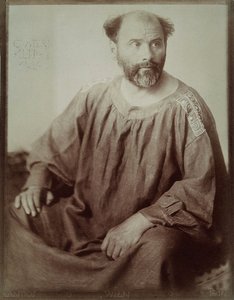
Gustav Klimt
1862 - 1918 , Austria
Datos clave
- Artistas Que Influyeron: ['Hans Makart']
- Fecha De Muerte: 6 de febrero de 1918
- Fecha De Nacimiento: 14 de julio de 1862
- Influenciado A: ['Egon Schiele']
- Lugar De Nacimiento: Baumgarten, Austria
- Movimiento Artístico: Simbolismo, Art Nouveau
- Nacionalidad: Austriaco
- Nombre Completo: Gustav Klimt
- Obras Notables:
- El Beso
- Adele Bloch-Bauer I
Artículos relacionados

The Allure of Gold in Art History: Symbolism, Technique & Cultural Significance
Explore the rich history of gold in art! Discover symbolism, techniques & cultural significance from ancient civilizations to Klimt's masterpieces. Expert insights for collectors at AllPaintingsStore.

Art Nouveau: 10 Obras Maestras que Definieron un Movimiento Revolucionario |
Descubre las 10 obras maestras del Art Nouveau que revolucionaron el arte. Explora la belleza de Mucha, Klimt y más. Reproducciones de museo en para un hogar con estilo. ¡Inspírate ahora!

Oro en el Arte: Los 10 Cuadros Más Famosos con Hoja de Oro | AllPaintingsStore
Descubre los 10 cuadros más famosos con hoja de oro, desde Klimt hasta el arte bizantino. Explora la historia, técnica y belleza de estas obras maestras doradas. Reproducciones de arte exclusivas en AllPaintingsStore.com.

Gustav Klimt: A Golden Legacy of Sensuality & Symbolism in Viennese Art
Explore the captivating world of Gustav Klimt with AllPaintingsStore. Discover his iconic paintings, the Vienna Secession movement, & enduring legacy. High-quality reproductions available.
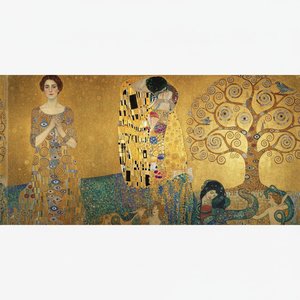
Gustav Klimt: Las 25 Obras Maestras que Definen un Ícono del Arte Moderno | AllPaintingsStore
Descubre las 25 obras maestras de Gustav Klimt, ícono del simbolismo y Art Nouveau. Explora 'El Beso', 'Judith' y más. Reproducciones de arte en AllPaintingsStore.com para decorar tu hogar con elegancia. ¡Inspírate!


