


 Vista previa
 Compartir
 Compartir
 Ver detalles
 Guía
Guía

 Descargar
 Ver artículos similares
 Radiografía
 Presentación de diapositivas
 Estadísticas
Moonlit Night


 Leer más
Reproducción al óleo hecha a mano
Óleo sobre lienzo pintado a mano en el tamaño y marco de su elección, realizado por encargo por nuestros artistas. ( Cambiar a formato impreso Ver versión en imagen digital)




P118B $10

P118H $10

P118W $10

P438Z $10

P508JH $12

P508YH $12

P805H $10

P805Z $10

P919BZ $10

P919G $10

P919XJ $10

P959ZH $10

P968JZ $12

W106C $8

W218G $10

W218JH $8

W218Y $10

W307PJ $10

W316G $10

W316PJ $8

W316Y $10

W398PJ $8

W4111J $10

W500HY $15

W500JH $15

W692G $12

W849H $8

W940BG $15

W953PJ $8




Elija entre nuestros tamaños predefinidos que respetan las proporciones originales de la obra.

Puede ingresar sus propias dimensiones para adaptarse a un marco o espacio específico. Si el tamaño seleccionado no coincide con las proporciones de la imagen original, recortaremos la obra o extenderemos la pintura con elementos adicionales pintados a mano. Se le enviará una maqueta digital para su aprobación antes de comenzar la producción.
Tenga en cuenta que la vista previa en pantalla no refleja el recorte o la extensión reales. Solo la maqueta mostrará con precisión la composición final.
Si bien existen tamaños personalizados, recomendamos seleccionar una dimensión de la lista predefinida para preservar las proporciones originales.
Tras realizar el pedido, el equipo de AllPaintingsStore.com enviará un correo electrónico al cliente para solicitar instrucciones y proporcionarle una vista previa del boceto.
Envío a todo el mundo () en 3-4 semanas en lugar de las 5 semanas estándar. (21 septiembre). Sin comprometer la calidad.

Envío exprés gratuito a todo el mundo

Lienzo de lino de alta calidad

Seguro de envío completo

Garantía de reembolso de impuestos aduaneros

Garantía de fidelidad cromática exacta

Política de devolución de 100 días (solo por defectos)

Garantía de devolución del 100% del dinero

Oferta por volumen
 La opción de vidrio solo está disponible en tamaños inferiores a 110 cm.

Moonlit Night
Técnica de reproducción
Tamaño de la reproducción
-


Precio total
$ 258
A Symphony of Shadows: Isaak Levitan’s “Moonlit Night”
Isaak Ilyich Levitan's "Moonlit Night" isn’t merely a depiction of a rural landscape; it’s a profound meditation on solitude, memory, and the melancholic beauty inherent in the Russian countryside. Painted in 1897, this oil-on-canvas masterpiece captures a quintessential moment – a quiet highway winding into an ethereal darkness under the watchful gaze of a full moon. Levitan, a pivotal figure in late 19th-century Russian landscape painting, masterfully employed the tenets of Impressionism and Symbolism to evoke not just what he saw, but also the emotional resonance of the scene.
Levitan’s artistic journey was deeply intertwined with personal hardship. Born into poverty and marked by early loss, his art became a sanctuary—a means of processing grief and finding solace in the natural world. This inherent sensitivity is palpable in “Moonlit Night,” where every shade of grey and blue seems to whisper of longing and introspection. The painting’s enduring appeal lies in its ability to transport the viewer to this remote, contemplative space, inviting them to share in the artist's quiet contemplation.
The Language of Light and Line
The composition is deceptively simple yet remarkably effective. A dirt road, rendered with a subtle linear perspective, dominates the foreground, drawing the eye into the receding depths of the landscape. The parallel arrangement of trees flanking the path creates a powerful sense of depth and rhythm, guiding the viewer’s gaze towards the hazy horizon. Levitan skillfully utilizes muted colors – predominantly cool greys, blues, and browns – to create an atmosphere of subdued tranquility. The contrast between the lighter tones of the tree trunks and branches against the darker background subtly emphasizes their form and texture.
Lines are not merely delineating elements; they’re imbued with emotional weight. The soft, blurred edges contribute to the overall atmospheric effect, suggesting a gentle mist or haze that softens the forms and blurs the boundaries between earth and sky. Vertical lines dominate in the depiction of the trees, anchoring the composition while horizontal lines define the road and horizon, creating a sense of stability amidst the ethereal light.
Technique and Texture: A Layered Dream
Levitan’s technique is characterized by meticulous layering and blending of oil paints. Brushstrokes are visible but deliberately subdued, contributing to the painting's soft, diffused quality. This careful application creates a sense of texture – the rough surface of the dirt road subtly contrasted with the smoother tones of the tree trunks – adding a tactile dimension to the scene. The artist masterfully manipulated light and shadow, creating an illusion of depth and volume that is both realistic and dreamlike.
The painting’s luminosity stems from his understanding of how moonlight interacts with the landscape. Rather than depicting a bright, direct illumination, Levitan captures the subtle, diffused glow of the moon, casting long shadows and imbuing the scene with an otherworldly quality. This masterful use of light is central to the painting's evocative power, transforming a simple rural road into a space of profound beauty and quiet contemplation.
Symbolism and Emotional Resonance
“Moonlit Night” transcends a mere topographical representation; it’s rich in symbolic meaning. The solitary highway represents a journey—perhaps a personal one, fraught with uncertainty and introspection. The darkness surrounding the path suggests both mystery and isolation, inviting viewers to contemplate their own place within the vastness of the universe. The absence of human figures further emphasizes the painting's themes of solitude and contemplation.
Ultimately, Levitan’s “Moonlit Night” is a testament to his ability to capture not just the visual beauty of the Russian landscape but also its emotional depth. It’s a poignant reminder of the power of nature to evoke feelings of peace, melancholy, and profound introspection – a timeless masterpiece that continues to resonate with audiences today.
Obras relacionadas


Biografía del artista
Isaak Ilyich Levitan: Una Vida en el Paisaje
Isaak Ilyich Levitan (1860-1900) fue un renombrado pintor de paisajes ruso que se convirtió en una figura clave en el desarrollo de los paisajes basados en el estado de ánimo. Su obra capturó la esencia del campo ruso, imbuida de encanto lírico y profundidad emocional.
Primeros Años y Educación
- Nació el 30 de agosto de 1860 en Kibarty (actualmente Lituania), en una familia judía que luego se mudó a Moscú.
- Demostró talento artístico desde temprana edad, recibiendo lecciones privadas antes de estudiar arte formalmente.
- En 1873, ingresó a la Escuela de Pintura, Escultura y Arquitectura de Moscú, donde estudió bajo artistas influyentes como Alexei Savrasov, Vasily Perov y Vasily Polenov.
- La influencia de Savrasov fue particularmente significativa, fomentando el amor de Levitan por representar los matices sutiles de la naturaleza rusa.
Desarrollo Artístico y Estilo
- Levitan se distinguió rápidamente por su capacidad para transmitir atmósfera y emoción a través de la pintura de paisajes.
- Pionero del género del "paisaje con ánimo", trascendiendo la mera representación topográfica para expresar sentimientos humanos y conexiones espirituales con la naturaleza.
- Su paleta era a menudo apagada, centrándose en colores naturalistas y elementos poéticos en lugar de tonos vibrantes.
- Si bien su trabajo posterior mostró familiaridad con el Impresionismo, mantuvo una sensibilidad rusamente única.
Obras Principales y Logros
- Algunas de sus obras más celebradas incluyen: Día de otoño. Sokolniki (1879), El camino de Vladimirka (1892) y Descanso eterno (1894). Estas pinturas se exhiben prominentemente en la Galería Tretyakov.
- Otras obras notables incluyen “Inundación de primavera”, “Día tormentoso”, “Campanas vespertinas” y “Claustro silencioso”.
- En 1897, Levitan fue elegido para la Academia Imperial de las Artes, un testimonio de su creciente reconocimiento.
- Se convirtió en jefe del estudio de paisajes en su alma mater en 1898, nutriendo a la próxima generación de pintores de paisajes rusos.
Influencias y Colaboraciones
- Levitan estuvo profundamente influenciado por las obras de Alexei Savrasov, cuyos paisajes melancólicos resonaron con su propia visión artística.
- Colaboró con otros artistas como Konstantin Korovin, Mikhail Nesterov y Nikolai Chekhov.
- Contribuyó con ilustraciones a la revista “Moscú” y diseñó escenografía para la Ópera Rusa privada de Savva Mamontov.
Significado Histórico y Legado
- El trabajo de Levitan jugó un papel crucial en la configuración del desarrollo de la pintura de paisajes rusa.
- Elevó el género más allá de una simple representación, imbuyéndolo de profundidad emocional y resonancia espiritual.
- Sus pinturas continúan evocando un fuerte sentido de identidad nacional y aprecio por la belleza del campo ruso.
- En 1941, sus restos fueron trasladados al Cementerio de Novodévichi en Moscú, donde está enterrado junto a su cercano amigo, Anton Chekhov, simbolizando su parentesco artístico.
El legado de Levitan perdura como maestro de la pintura de paisajes atmosféricos e intérprete profundo del alma rusa.

Isaak Ilyich Levitan
1860 - 1900 , Rusia
Datos clave
- Artistas Que Influyeron:
- Alexei Savrasov
- Vasily Perov
- Vasily Polenov
- Fecha De Nacimiento: 30 de agosto de 1860
- Lugar De Nacimiento: Kibarty, Lituania
- Movimiento Artístico: Pintura de paisaje, Paisaje emotivo
- Nacionalidad: Ruso
- Nombre Completo: Isaak Ilyich Levitan
- Obras Notables:
- Día de otoño. Sokolniki
- El camino de Vladimirka
- Descanso eterno
- Inundación de primavera
- Día tormentoso
Artículos relacionados

Vasily Polenov: A Pioneer of Landscape Impressionism & Russian National Identity
Explore the captivating landscapes of Vasily Polenov, a pivotal figure in Russian art history. Discover his lyrical realism, biblical series & influence on Impressionism. Learn about the 'Knight of Beauty' and his enduring legacy.
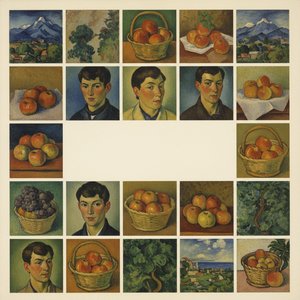
Paul Cézanne: Las 25 Obras Maestras que Definieron el Arte Moderno | AllPaintingsStore
Descubre las 25 obras maestras de Paul Cézanne que revolucionaron el arte moderno. Explora su técnica, inspiración y significado en paisajes, bodegones y retratos. Reproducciones de alta calidad para decorar tu hogar con arte inolvidable. ¡Explora la colección completa en AllPaintingsStore.com!

Evocations of Place: A Historical Journey Through Landscape Art
Explore the rich history of landscape art with AllPaintingsStore. Discover renowned artists, movements like Impressionism & tonalism, and expert guidance for collecting timeless pieces. Find your perfect serene escape today!

Evocations of Place: A Historical Journey Through Landscape Art
Explore the rich history of landscape art with AllPaintingsStore. Discover renowned artists, movements like Impressionism & Romanticism, and expert guidance for collecting timeless pieces. Find your perfect serene escape today!

Aleksey Savrasov: The Poetic Realism That Defined Russian Landscape Painting
Explore the poetic realism of Aleksey Savrasov, founder of Russian lyrical landscape painting. Discover his masterpieces like 'The Rooks Have Returned' and learn about his lasting influence on 19th-century art. AllPaintingsStore offers high-quality reproductions.


