Ver en contexto
 Enviar
 Compartir
 Detalles
 Guía
Guía

 Descargar
 Similares
 Radiografía
 Presentación de diapositivas
 Estadísticas
Pharaoh


 Ver más
Giclée / Impresión de arte
Impresiones giclée o en lienzo de calidad de museo con producción rápida y opciones de acabado flexibles. ( Comprar pintura hecha a mano Cambiar a imagen digital)




P118B €10

P118H €10

P118W €10

P438Z €10

P508JH €12

P508YH €12

P805H €10

P805Z €10

P919BZ €10

P919G €10

P919XJ €10

P959ZH €10

P968JZ €12

W106C €8

W218G €10

W218JH €8

W218Y €10

W307PJ €10

W316G €10

W316PJ €8

W316Y €10

W398PJ €8

W4111J €10

W500HY €15

W500JH €15

W692G €12

W849H €8

W940BG €15

W953PJ €8




Elija entre nuestros tamaños predefinidos que respetan las proporciones originales de la obra.

Introduzca el ancho y el alto que necesite para adaptarse a su marco o pared. Una impresión solo puede recortarse, nunca hacerse más grande que la imagen original, por lo que un tamaño con una forma distinta perderá parte de la obra. Le enviaremos una maqueta digital para su aprobación antes de realizar cualquier impresión. La imagen que se muestra en esta página no refleja el recorte real; solo la maqueta lo hace.
Envío a todo el mundo () en 2 semanas en lugar de las 4/5 semanas estándar. (27 octubre)

Envío exprés gratuito a todo el mundo

Lienzo de lino de alta calidad

Seguro de envío total

Garantía de reembolso de aranceles aduaneros

Garantía de fidelidad cromática exacta

Política de devolución de 100 días (solo por defectos)

Garantía de devolución del 100% del dinero

Descuento por cantidad
 La opción de vidrio solo está disponible en tamaños inferiores a 110 cm.

Pharaoh
Giclée / Impresión de arte
Dimensiones de la reproducción
-


Precio total final
€ 56
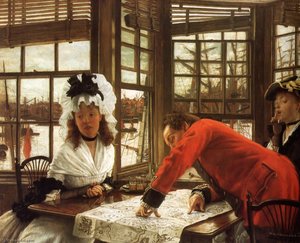
Jacques Joseph Tissot’s “Pharaoh”: A Pastoral Reverie Captured in Oil
The painting "Pharaoh," completed in 1902 by Jacques Joseph Tissot, stands as a testament to the artist's masterful blend of realism and impressionistic sensibilities. More than just a depiction of rural life—a genre favored by Tissot throughout his prolific career—it embodies a profound meditation on mortality and remembrance, subtly conveyed through meticulous observation and luminous color palettes. This artwork resides within AllPaintingsStore’s extensive collection, offering discerning viewers the opportunity to experience firsthand the beauty and depth of Tissot's vision.Subject Matter and Setting
Tissot transports us to a tranquil English countryside scene—specifically, a hospice chapel where a grieving father holds the body of his deceased son. The composition centers around this poignant tableau, framed by expansive fields of wheat and grazing cows. These elements aren’t merely decorative; they serve as symbolic representations of life's cyclical nature – the golden wheat signifying harvest and renewal juxtaposed against the somber hues of mourning. The artist’s keen eye captures the textures of the landscape with remarkable accuracy, mirroring the subtle nuances of light and shadow that permeate the scene.Style and Technique: Impressionistic Realism
Tissot's artistic approach defies easy categorization. While firmly rooted in realism—evident in his meticulous rendering of anatomical detail and accurate portrayal of natural forms—he imbues his canvases with an unmistakable impressionistic touch. Visible brushstrokes dance across the surface, creating a shimmering effect that captures the ephemeral quality of light filtering through the overcast sky. Layers upon layers of oil paint build up to achieve depth and luminosity, resulting in a textured surface that invites contemplation. The artist skillfully utilizes color—primarily earthy browns, tans, greens, and whites—to evoke feelings of serenity and melancholy simultaneously.Historical Context and Artistic Influences
Tissot’s oeuvre reflects the broader artistic currents of his time – primarily influenced by Impressionism and Academic Painting traditions. He honed his skills under the tutelage of masters like Ingres and Lamothe, absorbing their stylistic precepts while forging his own distinctive voice. The painting's subject matter—the grieving father and son—resonates with Victorian sensibilities concerning death and mourning rituals, reflecting a period marked by heightened emotional awareness and artistic exploration of human experience.Symbolism and Emotional Impact
Beyond its visual beauty, “Pharaoh” carries significant symbolic weight. The hospice chapel itself represents the sacred space of remembrance and solace, highlighting the universality of grief. The cows symbolize fertility and sustenance—a poignant reminder of life’s enduring presence even in the face of loss. Ultimately, Tissot's masterpiece compels viewers to confront mortality with compassion and grace, prompting reflection on themes of familial devotion and the bittersweet beauty of accepting inevitable endings. It is a painting that lingers in the mind long after viewing, offering an invitation to contemplate the profound connections between life and death—and the enduring power of art to illuminate the human condition.Preguntas y respuestas
¿Qué representa "Pharaoh"?
"Pharaoh" de Jacques Joseph Tissot representa: rural landscape, pastoral scene, cow herd painting, wheat field art, french countryside, impressionist style, earthy tones.
¿Qué tamaño y orientación se recomiendan para una impresión de "Pharaoh" de Jacques Joseph Tissot?
Se recomienda imprimir "Pharaoh" de Jacques Joseph Tissot en un tamaño de Large con una orientación Panoramic.
¿Qué tema y atmósfera combina "Pharaoh" de Jacques Joseph Tissot?
"Pharaoh" muestra rural landscape, pastoral scene, cow herd painting, wheat field art, french countryside, impressionist style, earthy tones, y su atmósfera es Calm.
Obras relacionadas


Biografía del artista
Jacques Joseph Tissot (James Tissot)
James Jacques Joseph Tissot (Nantes, Países del Loira; 15 de octubre de 1836-Chenecey-Buillon, Franco Condado; 8 de agosto de 1902) fue un pintor y grabador francés. Estudió en la École des Beaux-Arts de París bajo maestros de la talla de Ingres, Flandrin y Lamothe y expuso por primera vez en el Salón de París en 1859. En 1861 mostró “La Reunión de Fausto y Margarita”, que fue adquirido por el Estado para la galería de Luxemburgo. Este ambicioso proyecto señaló Tissot’s creciente prestigio como pintor capaz de capturar narrativas complejas y transmitir emociones profundas. Sus primeros años estuvieron marcados por una profunda sensibilidad artística, impulsada por un padre drapería comerciante y una madre milenaria que le inculcaron el amor por la artesanía y el detalle—cualidades que influirían profundamente en su visión artística.Carrera Temprana y Reconocimiento
Su debut en el Salón de París fue un punto decisivo: la presentación de “La Reunión de Fausto y Margarita”, una composición dramática que cautivó al público y obtuvo amplio reconocimiento crítico. Esta obra maestra capturaba la complejidad narrativa y la profundidad emocional, reflejando las preocupaciones y aspiraciones de sus personajes con una precisión excepcional. Posteriormente, otras exposiciones en el Salón consolidaron su posición dentro del establecimiento artístico francés, mostrando su evolución estilística y atrayendo encargos importantes de clientes destacados. Estos primeros éxitos alimentaron confianza y lo impulsaron hacia la exploración de nuevos temas y técnicas—una trayectoria que definiría su ilustre carrera.Género Pintura y Sociedad Victoriana
Tissot alcanzó el reconocimiento artístico con su serie “La Mujer en París”, una observación meticulosa del mundo de la sociedad parisina burguesa a finales del siglo XIX. Estas pinturas, caracterizadas por una paleta cromática luminosa y una magistral representación de texturas—especialmente tejidos—se convirtieron en sinónimo de capturar el atractivo y dinamismo de la Belle Époque. Su atención al detalle trascendía la mera representación visual; buscaba transmitir no solo apariencia sino también matices psicológicos, reflejando las inquietudes y aspiraciones de sus sujetos con una sensibilidad artística única. Esta obra maestra sigue siendo un testimonio del impacto del impresionismo en el arte francés de principios de siglo XX.Temas Bíblicos y Japonismo
A lo largo de su prolífica producción artística, Tissot abrazó diversas fuentes de inspiración—desde relatos medievales hasta escenas religiosas—demostrando una notable versatilidad. Sus pinturas bíblicas estaban impregnadas de profundidad espiritual y resonancia emocional, mostrando su capacidad para elevar la narración visual a la contemplación profunda. Simultáneamente, fue fascinado por el Japonismo—el entusiasmo por el arte japonés que atravesó Europa durante la época victoriana—que se manifiesta en composiciones cargadas de disposición asimétrica y armonía cromática evocadora de las estampas japonesas. Esta fusión estilística reflejó su curiosidad intelectual y su voluntad de experimentar con enfoques artísticos innovadores.Últimos años y Legado
Tras la muerte de Kathleen Newton, en 1882, Tissot sufrió una profunda pérdida sentimental que afectó profundamente su producción artística. Sin embargo, continuó creando obras excepcionales hasta su fallecimiento en 1902, dejando un legado artístico duradero que sigue inspirando admiración por su brillantez estética y representación evocadora de la vida victoriana y la fe cristiana. Su nombre permanece grabado en los museos más importantes de París y Londres como uno de los artistas más destacados del siglo XIX.
Jacques Joseph Tissot
1836 - 1902 , Francia
Datos clave
- Artistic Movement Or Style: Genre Painting
- Artists Or Movements Influenced By This Artist: ['Impressionism']
- Artists Who Influenced This Artist:
- Ingres
- Courbet
- Date Of Birth: October 15, 1836
- Date Of Death: August 8, 1902
- Full Name: Jacques Joseph Tissot
- Nationality: French
- Notable Artworks:
- The Meeting of Faust and Marguerite
- La Femme à Paris
- Place Of Birth: Nantes, France
Artículos relacionados
Los 10 Maestros del Paisaje Impresionista: Obras que Cambiaron la Historia del Arte
Descubre los 10 lienzos impresionistas que revolucionaron el arte. Monet, Renoir y más… Explora la historia, técnica y belleza de cada obra maestra. Encuentra reproducciones de alta calidad para tu hogar en AllPaintingsStore.com.

John Constable: Las 25 Obras Maestras del Paisaje Inglés | AllPaintingsStore
Descubre las 25 obras maestras de John Constable, el pintor romántico inglés que capturó la belleza del paisaje. Explora su técnica, historia y significado en AllPaintingsStore.com. Reproducciones de arte de alta calidad para tu hogar.

Los 10 Maestros del Paisaje Impresionista: Obras que Cambiaron la Historia del Arte
Descubre los 10 lienzos impresionistas que revolucionaron el arte. Explora la historia de Monet, Van Gogh y Renoir, sus técnicas y colores vibrantes. Encuentra reproducciones de alta calidad para decorar tu hogar en AllPaintingsStore.com

Serene Landscapes: Capturing the Timeless Beauty of Rural Artworks through Impressionist Mastery
Discover the profound tranquility of rural art through an expert exploration of Impressionist landscapes. From pastoral scenes to textured oil masterpieces, learn how timeless nature-inspired artworks bring enduring elegance and serenity to sophisticated collectors.

Cultivating Visions: A Historical Journey Through Rural Landscapes in Art
Explore the rich history of rural landscape painting with AllPaintingsStore. Discover Impressionist masterpieces, key artists & movements. Find your perfect serene artwork and bring nature's beauty home.