


 Ver en contexto
 Enviar
 Compartir
 Detalles
 Guía
Guía

 Descargar
 Similares
 Radiografía
 Presentación de diapositivas
 Estadísticas
Carnaval en la playa 1


 Ver más
Giclée / Impresión de arte
Impresiones giclée o en lienzo de calidad de museo con producción rápida y opciones de acabado flexibles. ( Comprar pintura hecha a mano Cambiar a imagen digital)




P118B €10

P118H €10

P118W €10

P438Z €10

P508JH €12

P508YH €12

P805H €10

P805Z €10

P919BZ €10

P919G €10

P919XJ €10

P959ZH €10

P968JZ €12

W106C €8

W218G €10

W218JH €8

W218Y €10

W307PJ €10

W316G €10

W316PJ €8

W316Y €10

W398PJ €8

W4111J €10

W500HY €15

W500JH €15

W692G €12

W849H €8

W940BG €15

W953PJ €8




Elija entre nuestros tamaños predefinidos que respetan las proporciones originales de la obra.

Introduzca el ancho y el alto que necesite para adaptarse a su marco o pared. Una impresión solo puede recortarse, nunca hacerse más grande que la imagen original, por lo que un tamaño con una forma distinta perderá parte de la obra. Le enviaremos una maqueta digital para su aprobación antes de realizar cualquier impresión. La imagen que se muestra en esta página no refleja el recorte real; solo la maqueta lo hace.
Envío a todo el mundo () en 2 semanas en lugar de las 4/5 semanas estándar. (26 octubre)

Envío exprés gratuito a todo el mundo

Lienzo de lino de alta calidad

Seguro de envío total

Garantía de reembolso de aranceles aduaneros

Garantía de fidelidad cromática exacta

Política de devolución de 100 días (solo por defectos)

Garantía de devolución del 100% del dinero

Descuento por cantidad
 La opción de vidrio solo está disponible en tamaños inferiores a 110 cm.

Carnaval en la playa 1
Giclée / Impresión de arte
Dimensiones de la reproducción
-


Precio total final
€ 56
A Glimpse into the Grotesque: The World of James Ensor
James Ensor’s “Carnaval sur la Plage” (Carnival on the Beach), painted around 1887, isn't merely a depiction of a seaside gathering; it’s an immersive plunge into the artist’s uniquely unsettling and profoundly evocative world. Born in Ostend, Belgium, a town renowned for its exuberant Carnival celebrations, Ensor was inextricably linked to this spectacle from his childhood. His parents operated a souvenir shop overflowing with masks, curiosities, and the paraphernalia of a festive gathering – a veritable treasure trove that fueled his imagination and became the cornerstone of his artistic vocabulary. This early exposure to the theatricality of disguise and the unsettling beauty of the bizarre profoundly shaped his approach to painting, leading him away from conventional academic styles and toward a deeply personal and often disconcerting vision.
Ensor’s work is characterized by a deliberate rejection of naturalism in favor of psychological intensity. He wasn't interested in faithfully rendering reality; instead, he sought to capture the *feeling* of an event – the sense of unease, mystery, and perhaps even madness that can permeate such gatherings. This approach aligns him with the burgeoning Symbolist movement, though his style is distinctly singular, marked by a bold palette, distorted figures, and a pervasive atmosphere of theatricality.
The Language of Masks: Form and Symbolism
Central to “Carnaval sur la Plage” are the masks themselves. Ensor’s subjects aren't simply individuals enjoying a day at the beach; they are enveloped in layers of disguise, their identities obscured and transformed. These aren’t charming or celebratory masks—they possess an unsettling quality, hinting at hidden desires, anxieties, and perhaps even sinister intentions. The repetition of mask motifs throughout his oeuvre suggests a preoccupation with the duality of self – the visible persona versus the concealed inner world. The figures are rendered in a flattened perspective, almost like stage characters, further emphasizing the theatrical nature of the scene.
Beyond the masks, the composition itself is laden with symbolic weight. The blurred background, dominated by the sea and distant boats, creates a sense of disorientation and isolation. The foreground figures, though numerous, seem strangely detached from one another, lost in their own private dramas. The use of vibrant, almost jarring colors – reds, yellows, blues – contributes to the painting’s overall unsettling effect, amplifying the feeling that something is fundamentally *wrong* with this seemingly idyllic scene.
Technique and Atmosphere: A Masterclass in Expressive Painting
Ensor's technique in “Carnaval sur la Plage” is both meticulous and deliberately rough. He employs a layered approach, building up the image through multiple glazes of paint, creating a rich surface texture that seems to shimmer with an inner light. The brushstrokes are visible, adding to the sense of immediacy and spontaneity. Notably, Ensor’s treatment of space departs from traditional perspective; he utilizes atmospheric effects—particularly in the depiction of the sea—to create a dreamlike quality, blurring the boundaries between reality and illusion.
The painting's emotional impact is profound. It evokes a sense of both fascination and unease, inviting the viewer to contemplate the hidden depths beneath the surface of social interaction. “Carnaval sur la Plage” isn’t simply a record of a seaside event; it’s a powerful meditation on identity, performance, and the unsettling beauty of the human condition – a testament to James Ensor's unique vision and enduring legacy as one of art history's most original and challenging figures.
Preguntas y respuestas
¿A qué periodo histórico pertenece "Carnaval en la playa 1" de James Ensor?
"Carnaval en la playa 1" pertenece a la época Siglo XIX.
¿Qué paleta de colores y qué emoción evocan "Carnaval en la playa 1"?
La paleta Tonos neutros de "Carnaval en la playa 1" de James Ensor armoniza con su tono emocional Enigmático. El color es una de las formas en que una obra transmite sentimiento.
¿Qué tan saturada es la paleta de "Carnaval en la playa 1"?
Los colores de "Carnaval en la playa 1" de James Ensor presentan una saturación Color sutil. La saturación describe qué tan vivos o apagados son los colores.
Obras relacionadas


Biografía del artista
vida temprana y trayectoria artística
James Sidney Edouard, Baron Ensor, un destacado pintor y grabador belga, nació el 13 de abril de 1860 en Ostend, Bélgica. Su vida temprana estuvo marcada por un trasfondo cultural diverso, con un padre inglés, James Frederic Ensor, y una madre belga, María Caterina Haegheman. Falta de interés en los estudios académicos tradicionales, Ensor abandonó la escuela a los quince años para dedicarse al arte, recibiendo formación con pintores locales y posteriormente estudiando en la Academia Real de Bellas Artes en Bruselas.Estilo artístico y temas
El estilo artístico de Ensor se caracterizó por su exploración de la mente inconsciente e imágenes oníricas, lo que influyó significativamente en el expresionismo y el surrealismo. Sus pinturas a menudo presentaban asuntos extraños, incluyendo carnavales, máscaras, teatro de marionetas, esqueletos y alegorías fantásticas. Obras notables incluyen Las Máscaras Escandalizadas (1883) y Esqueletos luchando por un ahorcado (1891), que muestran su mezcla única de lo grotesco y lo fantástico.Reconocimiento y legado
A pesar de la resistencia inicial, la obra de Ensor ganó gradualmente aceptación y elogios. Para 1920, era el tema de importantes exposiciones; en 1929, fue nombrado barón por el rey Alberto, y en 1933, recibió la Legión de Honor. Su legado como figura pionera en el arte moderno es evidente en su influencia en movimientos artísticos posteriores, incluyendo el expresionismo y el surrealismo.Obras clave y exposiciones
* La Intriga (90 x 150 cm, Museo Real de Bellas Artes, Amberes, Bélgica) * Tribulaciones de San Antonio (1887, ahora en la colección del Museo de Arte Moderno, Nueva York)- Descubra más sobre la vida y obra de James Ensor en AllPaintingsStore: James Ensor
- Explore el Museo Mu.Zee en Ostend, Bélgica, que presenta una colección de arte belga desde 1830 en AllPaintingsStore: Descubra el Museo Mu.Zee en Ostend, Bélgica
- Aprenda más sobre la pintura simbolista y su influencia en el expresionismo y el surrealismo en Wikipedia: Pintura Simbolista
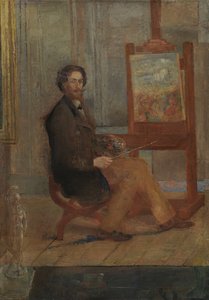
James Ensor
1860 - 1949 , Bélgica
Datos clave
- Artistas Influenciados Por Este Artista:
- Expresionismo
- Surrealismo
- Artistas Que Influyeron:
- Pieter Bruegel el Viejo
- Francisco Goya
- Fecha De Muerte: 19 de noviembre de 1949
- Fecha De Nacimiento: 13 de abril de 1860
- Lugar De Nacimiento: Ostend, Bélgica
- Movimiento Artístico: Expresionismo, Surrealismo
- Nacionalidad: Belga
- Nombre Completo: James Ensor
- Obras Notables:
- Las Máscaras Escandalizadas
- Esqueletos luchando
- Tribulaciones de San Antonio
- Cristo entrando en Bruselas
Artículos relacionados

Oil on Canvas: The Professional Guide to Durable, High-Quality Art Reproductions for Hospitality and Large-Scale Interior Projects
A professional guide for hotel designers and procurement managers on selecting durable, high-quality oil on canvas reproductions. Learn about material longevity, custom multi-panel layouts, and efficient bulk ordering solutions for large-scale hospitality projects.


