


 Ver en contexto
 Enviar
 Compartir
 Detalles
 Guía
Guía

 Descargar
 Similares
 Radiografía
 Presentación de diapositivas
 Q&A
Q&A Estadísticas
Christ Tormented by Demons

 Ver más
Giclée / Impresión de arte
Impresiones giclée o en lienzo de calidad de museo con producción rápida y opciones de acabado flexibles. ( Comprar pintura hecha a mano Cambiar a imagen digital)




P118B €10

P118H €10

P118W €10

P438Z €10

P508JH €12

P508YH €12

P805H €10

P805Z €10

P919BZ €10

P919G €10

P919XJ €10

P959ZH €10

P968JZ €12

W106C €8

W218G €10

W218JH €8

W218Y €10

W307PJ €10

W316G €10

W316PJ €8

W316Y €10

W398PJ €8

W4111J €10

W500HY €15

W500JH €15

W692G €12

W849H €8

W940BG €15

W953PJ €8




Elija entre nuestros tamaños predefinidos que respetan las proporciones originales de la obra.

Introduzca el ancho y el alto que necesite para adaptarse a su marco o pared. Una impresión solo puede recortarse, nunca hacerse más grande que la imagen original, por lo que un tamaño con una forma distinta perderá parte de la obra. Le enviaremos una maqueta digital para su aprobación antes de realizar cualquier impresión. La imagen que se muestra en esta página no refleja el recorte real; solo la maqueta lo hace.
Envío a todo el mundo () en 2 semanas en lugar de las 4/5 semanas estándar. (30 octubre)

Envío exprés gratuito a todo el mundo

Lienzo de lino de alta calidad

Seguro de envío total

Garantía de reembolso de aranceles aduaneros

Garantía de fidelidad cromática exacta

Política de devolución de 100 días (solo por defectos)

Garantía de devolución del 100% del dinero

Descuento por cantidad
 La opción de vidrio solo está disponible en tamaños inferiores a 110 cm.

Christ Tormented by Demons
Giclée / Impresión de arte
Dimensiones de la reproducción
-


Precio total final
€ 57
James Ensor’s Disturbing Vision of Suffering
James Ensor (1860 – 1949), a Belgian artist whose career spanned over eight decades, remains an enigmatic figure in the annals of Expressionism. Born in Ostend, a coastal town steeped in maritime tradition and cultural exchange between England and Belgium, Ensor’s formative years instilled within him a profound appreciation for theatricality and visual spectacle—influences that would irrevocably shape his artistic output.
- Subject Matter: The painting depicts Christ crucified, a familiar motif of Christian iconography but rendered with unsettling realism. However, Ensor doesn’t portray Jesus as a serene martyr; instead, he presents him as tormented by demonic forces, capturing the visceral horror of crucifixion in a manner strikingly unconventional for its time.
- Style: Ensor's style is undeniably Expressionist, prioritizing emotional intensity over meticulous representation. He eschewed academic conventions, favoring bold brushstrokes and jarring color palettes to convey psychological states rather than objective observation. This deliberate rejection of traditional aesthetics aligns him firmly with the burgeoning avant-garde movement that sought to express inner turmoil and societal anxieties.
- Technique: Ensor employed oil paint on canvas, utilizing a technique characterized by thick impasto—a layering of pigment onto the surface that creates palpable texture. The artist’s deliberate manipulation of brushstrokes contributes significantly to the painting's dramatic effect, emphasizing movement and conveying a sense of unease.
Historical Context: A Reflection of Anxiety
Created in 1895, “Christ Tormented by Demons” emerged during a period marked by intellectual ferment and social upheaval. The Symbolist movement was gaining momentum, challenging prevailing Victorian ideals with explorations of subconsciousness and mythic narratives. Simultaneously, anxieties surrounding spiritual decline and the encroaching influence of materialism fueled artistic responses that mirrored these concerns. Ensor’s depiction of Christ embodies this spirit—a confrontation with suffering not merely as a theological concept but as an inescapable human experience.
- Symbolism: The painting overflows with symbolic imagery. The cross itself represents Christian faith, yet it is overlaid with grotesque demons symbolizing evil and despair. The surrounding figures – angels and men – further complicate the narrative, suggesting conflicting interpretations of morality and redemption.
- Emotional Impact: Ensor’s masterful use of color—primarily muted reds and yellows—intensifies the painting's emotional impact. These hues evoke feelings of pain, fear, and vulnerability, mirroring the psychological torment experienced by Christ. The artist compels viewers to confront uncomfortable truths about human suffering and the pervasive presence of darkness within the human psyche.
A Legacy of Unease
"Christ Tormented by Demons" stands as a testament to Ensor’s unwavering commitment to artistic innovation and his willingness to challenge societal norms. It remains a powerfully disturbing image, prompting ongoing debate about its interpretation and enduring relevance. Its influence can be seen in subsequent Expressionist artists who similarly sought to depict the darker side of human existence with uncompromising honesty.
- Contemporary Relevance: Ensor’s exploration of psychological torment continues to resonate with audiences today, reminding us that art possesses the capacity to confront uncomfortable realities and provoke profound introspection.
- Interior Design Inspiration: The painting's dramatic palette and textural surface can serve as inspiration for creating spaces imbued with mood and atmosphere—particularly those aiming for a gothic or unsettling aesthetic.
Preguntas y respuestas
¿Dónde puedo comprar una reproducción pintada a mano de "Christ Tormented by Demons" de James Ensor?
Las reproducciones pintadas a mano de "Christ Tormented by Demons" de James Ensor están disponibles en este sitio web: una reproducción al óleo pintada a mano sobre lienzo de lino, y pueden solicitarse a través de su página de Reproducción al óleo pintada a mano.
¿Qué artista y qué estilo definen a "Christ Tormented by Demons"?
"Christ Tormented by Demons" es una obra de James Ensor perteneciente al movimiento Expressionistic Horror.
¿Qué sensación transmite "Christ Tormented by Demons" de James Ensor?
En "Christ Tormented by Demons", un ambiente Dramatic acompaña a una emoción Dramatic.
Obras relacionadas


Biografía del artista
vida temprana y trayectoria artística
James Sidney Edouard, Baron Ensor, un destacado pintor y grabador belga, nació el 13 de abril de 1860 en Ostend, Bélgica. Su vida temprana estuvo marcada por un trasfondo cultural diverso, con un padre inglés, James Frederic Ensor, y una madre belga, María Caterina Haegheman. Falta de interés en los estudios académicos tradicionales, Ensor abandonó la escuela a los quince años para dedicarse al arte, recibiendo formación con pintores locales y posteriormente estudiando en la Academia Real de Bellas Artes en Bruselas.Estilo artístico y temas
El estilo artístico de Ensor se caracterizó por su exploración de la mente inconsciente e imágenes oníricas, lo que influyó significativamente en el expresionismo y el surrealismo. Sus pinturas a menudo presentaban asuntos extraños, incluyendo carnavales, máscaras, teatro de marionetas, esqueletos y alegorías fantásticas. Obras notables incluyen Las Máscaras Escandalizadas (1883) y Esqueletos luchando por un ahorcado (1891), que muestran su mezcla única de lo grotesco y lo fantástico.Reconocimiento y legado
A pesar de la resistencia inicial, la obra de Ensor ganó gradualmente aceptación y elogios. Para 1920, era el tema de importantes exposiciones; en 1929, fue nombrado barón por el rey Alberto, y en 1933, recibió la Legión de Honor. Su legado como figura pionera en el arte moderno es evidente en su influencia en movimientos artísticos posteriores, incluyendo el expresionismo y el surrealismo.Obras clave y exposiciones
* La Intriga (90 x 150 cm, Museo Real de Bellas Artes, Amberes, Bélgica) * Tribulaciones de San Antonio (1887, ahora en la colección del Museo de Arte Moderno, Nueva York)- Descubra más sobre la vida y obra de James Ensor en AllPaintingsStore: James Ensor
- Explore el Museo Mu.Zee en Ostend, Bélgica, que presenta una colección de arte belga desde 1830 en AllPaintingsStore: Descubra el Museo Mu.Zee en Ostend, Bélgica
- Aprenda más sobre la pintura simbolista y su influencia en el expresionismo y el surrealismo en Wikipedia: Pintura Simbolista
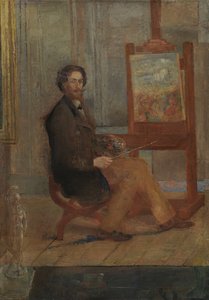
James Ensor
1860 - 1949 , Bélgica
Datos clave
- Artistas Influenciados Por Este Artista:
- Expresionismo
- Surrealismo
- Artistas Que Influyeron:
- Pieter Bruegel el Viejo
- Francisco Goya
- Fecha De Muerte: 19 de noviembre de 1949
- Fecha De Nacimiento: 13 de abril de 1860
- Lugar De Nacimiento: Ostend, Bélgica
- Movimiento Artístico: Expresionismo, Surrealismo
- Nacionalidad: Belga
- Nombre Completo: James Ensor
- Obras Notables:
- Las Máscaras Escandalizadas
- Esqueletos luchando
- Tribulaciones de San Antonio
- Cristo entrando en Bruselas
Artículos relacionados

Poder Monocromo: El dominio del blanco y negro como tendencia definitiva en el arte moderno
Descubre el poder visual del arte monocromático y su impacto en el diseño moderno. Explora la fuerza del blanco y negro aquí.

Las 10 Pinturas Más Famosas Dominadas por el Negro | Arte y Decoración
Descubre las 10 pinturas más impactantes dominadas por el negro. Explora obras maestras de Rembrandt, Goya y Rothko, su historia y significado. Encuentra reproducciones de arte exclusivas para transformar tu hogar en .

Monochrome Visions: Exploring the Aesthetic & Historical Significance of Black & White Photography
Explore the rich history & artistic power of black and white photography. From early techniques to iconic masters like Ansel Adams, discover why monochrome continues to captivate art lovers today. Expert insights for collectors.

Elegancia Atemporal: Cómo la Fotografía en Blanco y Negro Define la Esencia de tu Nuevo Hogar
Descubre cómo la fotografía en blanco y negro aporta calma y elegancia a tu nuevo hogar. Crea un refugio con alma hoy mismo.

Blanco Sublime: Los 10 Cuadros Más Famosos Dominados por la Luz y el Color
Descubre los 10 cuadros blancos más emblemáticos de la historia del arte. Explora Monet, Van Gogh y Klimt, y su magistral uso de la luz y el color. Encuentra reproducciones de alta calidad e inspírate para tu decoración en .


