


 Vista previa
 Compartir
 Compartir
 Ver detalles

 Descargar
 Ver similares
 Radiografía
 Presentación de diapositivas
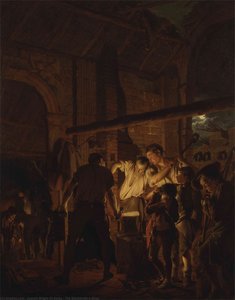
The Forge
 1847
1847 89.0 x 129.0 cm
 Leer más
Giclée / Impresión de arte
Impresiones giclée o en lienzo de calidad de museo con producción rápida y opciones de acabado flexibles. ( Encargar reproducción pintada a mano Comprar descarga)




































Elija entre nuestros tamaños predefinidos que respetan las proporciones originales de la obra.

Puede introducir sus propias dimensiones para adaptarse a un marco o espacio específico. Si el tamaño seleccionado no coincide con las proporciones de la imagen original, recortaremos la obra de arte o extenderemos la imagen con un borde con efecto espejo o de color sólido. Se enviará una maqueta digital para su aprobación antes de que comience la producción.
Tenga en cuenta que la vista previa en pantalla no refleja el recorte o la extensión real. Solo la maqueta mostrará con precisión la composición final.
Aunque existen tamaños personalizados, recomendamos seleccionar una dimensión de la lista predefinida para preservar las proporciones originales.
Envío a todo el mundo () en 2 semanas en lugar de las 4/5 semanas estándar. (19 agosto)

Envío exprés gratuito a todo el mundo

Lienzo de lino de alta calidad

Seguro de envío completo

Garantía de reembolso de aranceles aduaneros

Garantía de fidelidad cromática exacta

Política de devolución de 60 días (solo por defectos)

Garantía de devolución del 100% del dinero

Oferta por volumen
 La opción de vidrio solo está disponible en tamaños inferiores a 110 cm.

The Forge
Giclée / Impresión de arte
Tamaño de la reproducción
-


Precio total
$ 64
Descripción de la pieza
Artist Background
James Sharples was an English portrait painter and pastelist, who moved to the United States in 1794. He first exhibited at the Royal Academy in 1779 and headed a family of successful portrait artists. To learn more about James Sharples and his works, visit https://AllPaintingsStore.com/@/James-Sharples.The Painting
The painting The Forge depicts a group of men working in a factory or workshop, engaged in various tasks. The setting is an industrial environment, featuring a large metal structure and a clock on the wall. The overall atmosphere of the painting suggests that it was created during the early to mid-20th century, as indicated by its black and white color scheme. Key Features of the painting include:- The use of oil on canvas, which gives the piece a sense of depth and texture.
- The depiction of industrial-era workers, showcasing the daily life of laborers during that time period.
- The attention to detail in the setting, including the large metal structure and clock on the wall.
The Blackburn Museum and Art Gallery is a must-visit destination for art enthusiasts, featuring a collection of artworks from various artists, including James Sharples. For more information on the museum and its collections, visit /art/list/?Filter=A@D3BP3V-The-Ellen-Terry-Memorial-Museum-(United-Kingdom)-and-Its-Artworks.
Obras relacionadas



Biografía del artista
James Sharples: The Industrial Soul Captured in Steel
James Sharples (1751 or 1752, Lancashire – 26 February 1811, New York City) was an English portrait painter and pastelist who emigrated to the United States in 1794. He initially pursued a vocation for priesthood but ultimately found his calling as an artist, establishing a family lineage of accomplished painters that included his third wife Ellen Sharples. His children – George, Felix Thomas, James Jr., and Rolinda – followed in his artistic footsteps, demonstrating a legacy of creative excellence.Early Life and Artistic Beginnings
Born into a large family of thirteen blacksmiths in Wakefield, Yorkshire, Sharples’ upbringing instilled within him an appreciation for craftsmanship and practical skills—traits that would profoundly shape his artistic vision. His father was a blacksmith, as were both grandfathers, grounding him in the traditions of ironworking and shaping his understanding of material transformation. Despite limited formal education, Sharples began working as a smithy-boy at an iron foundry aged ten, honing his technical abilities before relocating to Liverpool where he worked as a riveter in the engine shop. It was here that serendipitous exposure to drawing designs for boilers sparked his artistic curiosity and initiated a lifelong passion for visual representation. Encouraged by John Burnet’s influential treatise on painting, Sharples diligently studied technique alongside John Flaxman's anatomical principles and Brook Taylor's perspective—a testament to his determination to cultivate knowledge beyond the confines of conventional schooling.The Forge: A Monumental Achievement
Sharples’ magnum opus remains “The Forge,” a captivating depiction of an iron foundry interior completed around 1849. This ambitious undertaking exemplifies Sharples’ commitment to capturing the dynamism and spirit of the Industrial Revolution, reflecting his fascination with technological advancement and its impact on society. He painstakingly crafted the painting himself, utilizing oil paints purchased during arduous journeys to Manchester—a deliberate act demonstrating his unwavering dedication to artistic practice. The artwork's reception galvanized Sharples to abandon his day job entirely, dedicating himself to portrait commissions while simultaneously pursuing independent engraving projects. Faced with challenges in sustaining a livelihood as an artist, he reluctantly returned to ironworking but continued to explore his artistic inclinations during spare moments—often accompanied by his wife’s reading—resulting in the masterful execution of “The Forge.”Technique and Style: From Observation to Steel Engraving
Sharples' artistic style was characterized by meticulous observation and a profound understanding of form and light. Influenced by artists like George Romney, he skillfully employed pastel portraits alongside oil paintings, demonstrating versatility within his chosen medium. He meticulously studied Romney’s techniques, prioritizing accuracy and capturing subtle nuances of expression. Sharples’ dedication to mastering engraving—a process he undertook independently—further solidified his artistic prowess. After five years of dedicated effort, he successfully produced a steel engraving of “The Forge,” showcasing his mastery of printmaking alongside painting. This accomplishment underscored his belief in self-reliance and innovation within the realm of art.Legacy and Recognition
James Sharples’ contribution to English art history is undeniable. His portrayal of industrial life—particularly "The Forge"—stands as a poignant emblem of Victorian Britain's transformative era, capturing both its grandeur and its gritty realities. Recognized for his artistic talent and unwavering commitment to craftmanship, Sharples cemented his place among the prominent artists of his time, leaving behind a legacy that continues to inspire admiration for his skill and vision. His work resides in collections such as Mount Vernon Collections, where it serves as a reminder of an artist who skillfully blended observation with innovation—a true embodiment of the Industrial Soul Captured in Steel.
james sharples
1752 - 1811
Datos clave
- Artistic Movement Or Style: Romanticism
- Artists Or Movements Influenced By This Artist: ['Romanticism']
- Artists Who Influenced This Artist: ['George Romney']
- Date Of Birth: 1752
- Date Of Death: 1811
- Full Name: James Sharples
- Nationality: English
- Notable Artworks:
- The Forge
- Portrait of an Unknown Lady
- Fruit and Vegetable Still Life
- Place Of Birth: Wakefield, Yorkshire



