


 Vista previa
 Compartir
 Compartir
 Ver detalles
 Guía
Guía

 Descargar
 Ver artículos similares
 Radiografía
 Presentación de diapositivas
 Estadísticas
Triptych
 Oil On Panel
- Northern Renaissance
 1515
1515- Renaissance
 156.0 x 123.0 cm
 Pinacoteca de Brera
 Leer más
Giclée / Impresión de arte
Impresiones giclée o en lienzo de calidad de museo con producción rápida y opciones de acabado flexibles. ( Encargar reproducción pintada a mano Ver versión en imagen digital)




P118B €10

P118H €10

P118W €10

P438Z €10

P508JH €12

P508YH €12

P805H €10

P805Z €10

P919BZ €10

P919G €10

P919XJ €10

P959ZH €10

P968JZ €12

W106C €8

W218G €10

W218JH €8

W218Y €10

W307PJ €10

W316G €10

W316PJ €8

W316Y €10

W398PJ €8

W4111J €10

W500HY €15

W500JH €15

W692G €12

W849H €8

W940BG €15

W953PJ €8




Elija entre nuestros tamaños predefinidos que respetan las proporciones originales de la obra.

Introduzca el ancho y el alto que necesite para adaptarse a su marco o pared. Una impresión solo puede recortarse, nunca hacerse más grande que la imagen original, por lo que un tamaño con una forma distinta perderá parte de la obra. Le enviaremos una maqueta digital para su aprobación antes de realizar cualquier impresión. La imagen que se muestra en esta página no refleja el recorte real; solo la maqueta lo hace.
Envío a todo el mundo () en 2 semanas en lugar de las 4/5 semanas estándar. (24 octubre)

Envío exprés gratuito a todo el mundo

Lienzo de lino de alta calidad

Seguro de envío completo

Garantía de reembolso de impuestos aduaneros

Garantía de fidelidad cromática exacta

Política de devolución de 100 días (solo por defectos)

Garantía de devolución del 100% del dinero

Oferta por volumen
 La opción de vidrio solo está disponible en tamaños inferiores a 110 cm.

Triptych
Giclée / Impresión de arte
Tamaño de la reproducción
-


Precio total
€ 56
A Window into the Northern Renaissance
In the quiet majesty of Jan De Beer’s Triptych, dated 1515, we are invited to step through a portal into the heart of the early sixteenth century. This extraordinary three-paneled masterpiece serves as more than just a religious or narrative tool; it is a breathtaking window into a world where the sacred and the secular dance in a delicate, gilded embrace. As one gazes upon the intricate details, there is an immediate sense of being transported to a time of profound transition, where the meticulous craftsmanship of the Northern Renaissance meets a burgeoning interest in human interaction and architectural grandeur. The work captures a moment in history when the mastery of oil on panel allowed artists to achieve a level of luminous depth that feels almost supernatural, inviting the viewer to linger on every brushstroke.
The composition unfolds like a beautifully choreographed drama across three distinct stages. In the left panel, we find ourselves within the solemnity of an indoor sanctuary. Here, the atmosphere is thick with reverence; figures gather around a central icon, their elaborate, heavy garments suggesting a high social standing and a deep-seated piety. The soaring ceilings and arched doorways create a sense of verticality that draws the eye upward, mirroring the spiritual aspirations of the era. Moving to the center panel, the perspective shifts dramatically to an expansive outdoor vista. From a balcony or terrace, we overlook a sprawling cityscape characterized by the elegant domes and columns of Gothic and Renaissance architecture. This scene breathes life into the work, offering a moment of observation and quiet conversation that connects the intimate religious devotion of the first panel to the wider, bustling world of the human experience.
The Mastery of Light and Texture
Technically, De Beer demonstrates the pinnacle of the oil painting tradition. The artist utilizes light not merely to illuminate, but to sculpt the very air within the panels. Through a sophisticated use of chiaroscuro, certain figures emerge from the shadows with startling clarity, while others recede into a soft, atmospheric haze, creating a profound sense of three-dimensional space. This interplay of light and shadow lends a dramatic, almost cinematic quality to the scenes, heightening the emotional weight of each gathering. The colors are remarkably rich and saturated; deep crimsons, regal blues, and warm ochres vibrate against one another, contributing to a visual feast that remains as vibrant today as it was five centuries ago.
For the discerning collector or interior designer, this Triptych offers an unparalleled opportunity to introduce a sense of historical weight and narrative complexity into a space. The right panel, featuring a convivial indoor gathering around a richly decorated table, provides a warm, humanizing counterpoint to the more formal scenes. The presence of luxurious tapestries and fine rugs depicted within the painting suggests a setting of immense wealth and power, making the piece an ideal focal point for rooms designed to evoke sophistication and timelessness. Whether displayed as a centerpiece in a grand hall or as a contemplative element in a private study, this reproduction brings with it the soul of the Renaissance, offering a continuous dialogue between the splendor of the past and the elegance of the present.
Preguntas y respuestas
¿Cómo se relaciona el tema de "Triptych" con los temas habituales de Jan De Beer?
"Triptych" representa triptych, renaissance, religious scene, gothic architecture, figures, oil on panel, historical figures, mientras que los temas recurrentes de Jan De Beer son northern renaissance style, religious devotion themes, gothic architectural influence, renaissance social hierarchy, masterful oil technique, key devotional work. Al comparar ambos, se observa cómo la obra se relaciona con los temas habituales del artista.
¿Los colores de "Triptych" de Jan De Beer son saturados o tenues?
La paleta de "Triptych" tiene una saturación Subtle Color.
¿Qué temas aparecen en "Triptych" de Jan De Beer?
"Triptych" de Jan De Beer representa: triptych, renaissance, religious scene, gothic architecture, figures, oil on panel, historical figures.
Obras relacionadas


Biografía del artista
El Maestro del Manierismo de Amberes
Jan De Beer se erige como una figura luminosa en el amanecer del siglo XVI, un periodo de profunda transición espiritual y artística en los Países Bajos. Activo principalmente en Amberes, fue un protagonista central en un grupo de pintores, poco estructurado pero influyente, conocido como los manieristas de Amberes. Durante muchos años, su identidad individual permaneció envuelta en el misterio, ya que gran parte de su obra se atribuía al Maestro de la Adoración de los Magos. Fue solo gracias a los diligentes esfuerzos de los historiadores del arte en el siglo XX que De Beer fue redescubierto y rescatado de las sombras del anonimato, revelando a un pintor de inmensa destreza técnica y profunda devoción religiosa.
Nacido en un linaje artístico como hijo del pintor Claes de Beer, el camino de Jan estuvo pavimentado con las tradiciones de su oficio. Su formación temprana bajo la tutela de Gillis van Everen le proporcionó una base sólida en el meticuloso estilo neerlandés; sin embargo, su talento le permitiría trascender la mera imitación. Para 1504, ya había alcanzado el prestigioso estatus de maestro dentro del Gremio de San Lucas de Amberes, llegando finalmente al distinguido cargo de decano. Su vida profesional estuvo profundamente entrelazada con el vibrante y bullicioso comercio y el fervor religioso de Amberes, ciudad donde dirigió un taller grande y productivo que moldeó el lenguaje visual de la época.
Una Sinfonía de Devoción y Detalle
La obra de Jan De Beer se caracteriza por una unión asombrosa entre el realismo del Renacimiento nórdico y un creciente sentido de la teatralidad. Sus composiciones funcionan a menudo como ventanas sagradas, invitando al espectador a participar en momentos de encuentro divino. En obras maestras como su Anunciación, se descubre un mundo donde los reinos celestial y terrestre respiran al unísono. Poseía una capacidad singular para representar el peso de una pesada vestidura ceremonial o el delicado y traslúcido brillo de una copa de vino con tal precisión que los objetos parecen poseer vida propia. Este dominio del medio al óleo le permitió emplear sutiles gradaciones de luz y sombra, creando una sensación de volumen y profundidad que sumerge al observador en el corazón mismo de la narrativa.
Más allá de la mera virtuosismo técnico, el arte de De Beer está impregnado de un rico tapiz de simbolismo. Ya sea a través de la presencia de aves que sugieren la gracia divina o la grandeza arquitectónica de los arcos góticos que actúan como puentes hacia los cielos, cada elemento de su obra está imbuido de significado. Sus trípticos, como aquellos que datan aproximadamente de 1510 y 1515, demuestran un mando sofisticado sobre el flujo narrativo, utilizando múltiples paneles para orquestar complejos dramas religiosos que transitan entre íntimos santuarios interiores y expansivas vistas bañadas por el sol. En estas obras, la meticulosa artesanía de la tradición nórdica se encuentra con un interés emergente por la interacción humana y la escala arquitectónica.
Legado e Importancia Histórica
Aunque su nombre cayó en el olvido tras el final del siglo XVI, la influencia de Jan De Beer perduró a través del impacto duradero del estilo manierista de Amberes. Fue contemporáneo de otras grandes figuras como Quentin Matsys e incluso pudo haber colaborado con innovadores del paisaje como Joachim Patinir. Su capacidad para mantener la fama y el respeto durante su vida —como señaló el biógrafo italiano Lodovico Guicciardini— da fe de la alta estima en la que era considerado por sus colegas.
Hoy en día, De Beer es reconocido no solo como un artesano habilidoso, sino como un artista que capturó el alma misma de un periodo en transición. Su legado redescubierto ofrece un vínculo vital con la intensidad espiritual de principios del siglo XVI, recordándonos una era en la que el arte servía como el principal vehículo para la comunicación divina y donde cada pincelada era un acto de profunda fe.

Jan De Beer
1475 - 1528 , Italia
Datos clave
- Artistic Movement Or Style: Manierismo de Amberes
- Date Of Birth: 1475
- Date Of Death: 1528
- Full Name: Jan De Beer
- Notable Artworks:
- Madonna y el Niño con un peregrino y un ángel
- Tríptico
- Anunciación
- Place Of Birth: Países Bajos
Artículos relacionados
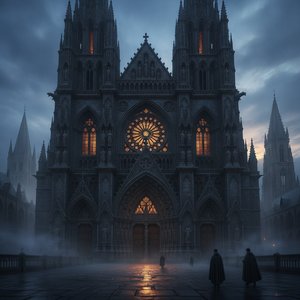
Gothic Art Guide for Hotel Designers: Leveraging Dramatic Shadows and Architectural Grandeur in Luxury Interiors
Elevate hospitality interiors with our expert guide to Gothic art. Discover how to leverage dramatic shadows, architectural grandeur, and high-end reproductions to create sophisticated, atmospheric hotel spaces that captivate guests.


