Vista previa
 Compartir
 Compartir
 Ver detalles
 Guía
Guía

 Descargar
 Ver artículos similares
 Radiografía
 Presentación de diapositivas
 Estadísticas
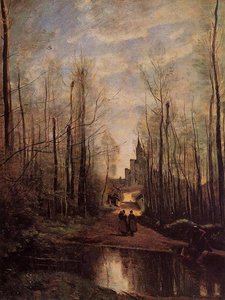
Morvan, The Little Mill


 Leer más
Reproducción al óleo hecha a mano
Óleo sobre lienzo pintado a mano en el tamaño y marco de su elección, realizado por encargo por nuestros artistas. ( Cambiar a formato impreso Ver versión en imagen digital)




P118B $10

P118H $10

P118W $10

P438Z $10

P508JH $12

P508YH $12

P805H $10

P805Z $10

P919BZ $10

P919G $10

P919XJ $10

P959ZH $10

P968JZ $12

W106C $8

W218G $10

W218JH $8

W218Y $10

W307PJ $10

W316G $10

W316PJ $8

W316Y $10

W398PJ $8

W4111J $10

W500HY $15

W500JH $15

W692G $12

W849H $8

W940BG $15

W953PJ $8




Elija entre nuestros tamaños predefinidos que respetan las proporciones originales de la obra.

Puede ingresar sus propias dimensiones para adaptarse a un marco o espacio específico. Si el tamaño seleccionado no coincide con las proporciones de la imagen original, recortaremos la obra o extenderemos la pintura con elementos adicionales pintados a mano. Se le enviará una maqueta digital para su aprobación antes de comenzar la producción.
Tenga en cuenta que la vista previa en pantalla no refleja el recorte o la extensión reales. Solo la maqueta mostrará con precisión la composición final.
Si bien existen tamaños personalizados, recomendamos seleccionar una dimensión de la lista predefinida para preservar las proporciones originales.
Tras realizar el pedido, el equipo de AllPaintingsStore.com enviará un correo electrónico al cliente para solicitar instrucciones y proporcionarle una vista previa del boceto.
Envío a todo el mundo () en 3-4 semanas en lugar de las 5 semanas estándar. (21 septiembre). Sin comprometer la calidad.

Envío exprés gratuito a todo el mundo

Lienzo de lino de alta calidad

Seguro de envío completo

Garantía de reembolso de impuestos aduaneros

Garantía de fidelidad cromática exacta

Política de devolución de 100 días (solo por defectos)

Garantía de devolución del 100% del dinero

Oferta por volumen
 La opción de vidrio solo está disponible en tamaños inferiores a 110 cm.

Morvan, The Little Mill
Técnica de reproducción
Tamaño de la reproducción
-


Precio total
$ 258
A Symphony of Light and Silence
In the quietude of the French countryside, where the morning mist clings to the earth like a soft veil, Jean-Baptiste-Camille Corot captured a moment of eternal peace. Morvan, The Little Mill is not merely a landscape; it is an invitation to step into a realm of profound stillness. Completed around 1865, this masterpiece transports the viewer to the heart of the Morvan Regional Natural Park, presenting a scene that feels suspended in that magical, fleeting interval between dawn and dusk. The painting centers on a modest, thatched-roof cottage nestled within the dense, protective embrace of the Morvan massif. As one’s gaze wanders across the canvas, a small water mill emerges in the foreground, its wheel turning in silent rhythm with the natural world, while scattered sheep graze peacefully in the verdant meadow, creating a harmonious tableau of rural life that resonates with the soul.
The emotional weight of the piece lies in its ability to evoke tranquility. For the collector or the interior designer, this work serves as an anchor of serenity, capable of transforming a modern space into a sanctuary of contemplation. There is a gentle movement within the composition—the presence of a horse standing near the cottage and the soft rolling of distant hills—that suggests life is unfolding, yet it is a life lived in perfect equilibrium with nature. It is a visual poem that celebrates the beauty of the mundane, turning a simple pastoral scene into an extraordinary experience of harmony.
The Mastery of Luminism and Technique
To understand the brilliance of Corot’s execution, one must look closely at his devotion to the principles of Luminism. Rejecting the harsh, dramatic contrasts often found in earlier landscape traditions, Corot sought to capture the subtle nuances of atmosphere. He achieved this through a painstaking technique of layering thin, translucent glazes, a method that allowed light to appear as if it were emanating from within the canvas itself. This delicate approach creates an ethereal effect, where sunlight filters through the canopy of trees in soft, diffused washes of color.
His brushstrokes are intentionally understated, prioritizing tonal gradations over heavy texture. This softness allows the edges of the world to dissolve into a gentle mist, mirroring the way memory often softens the sharp edges of reality. For those seeking a high-quality reproduction, it is this specific technical mastery—the ability to render light as a palpable, breathing element—that makes a Corot piece so captivating. The painting does not just show us a forest; it allows us to feel the dampness of the morning dew and the warmth of a fading sun.
A Bridge Between Eras
Historically, Morvan, The Little Mill stands as a pivotal bridge in the evolution of Western art. Emerging from the fertile soil of Romanticism, Corot retained a deep reverence for the sublime—the awe-inspiring grandeur of nature that inspires humility. Yet, his work simultaneously anticipated the innovations of Impressionism through its focus on plein-air light and atmospheric truth. He moved away from grand, dramatic narratives to find the divine in the everyday, a shift that redefined the purpose of landscape painting.
This piece carries a legacy of looking inward. It reflects a period when artists began to prioritize personal perception and the emotional resonance of light over rigid classical structures. Owning or displaying a reproduction of this work is more than an aesthetic choice; it is an embrace of a historical movement that taught us how to see the world with new eyes—finding the extraordinary within the quiet, silver-toned beauty of the natural landscape.
Obras relacionadas


Biografía del artista
Vida Temprana y Formación
Jean-Baptiste-Camille Corot, un renombrado pintor francés de paisajes y retratos, nació el 16 de julio de 1796 en París. Su familia, perteneciente a la burguesía, le proporcionó un entorno propicio para explorar sus inclinaciones artísticas. Inicialmente, los intereses de Corot se dirigieron hacia otros campos, pero finalmente descubrió su pasión por la pintura alrededor de 1821. Esto marcó el comienzo de su prolífica carrera, que más tarde influiría en el desarrollo del impresionismo.Trayectoria Artística y Obras Notables
La trayectoria artística de Corot se caracteriza por una mezcla de tradición neoclásica e innovaciones al aire libre (plein air). Algunas de sus obras notables incluyen:- El Reposo (óleo sobre lienzo, circa 1860s), una pieza cautivadora que muestra la maestría de Corot para capturar la esencia de la serenidad.
- Lectura Interrumpida (realismo, óleo, circa 1850s), un ejemplo conmovedor de la capacidad de Corot para retratar la vida cotidiana con profundidad y emoción.
- Agostina (realismo, óleo, circa 1860s), un impresionante retrato que ejemplifica la habilidad de Corot para capturar la esencia de sus sujetos.
Influencias y Desarrollo Artístico
Corot fue influenciado por artistas como Gaspard Davidovich Poussin y Claude Lorrain, maestros del paisaje clásico francés. Sin embargo, su propio desarrollo artístico lo llevó a alejarse de las composiciones rígidas y formales del neoclasicismo para abrazar una aproximación más libre e intuitiva al paisaje. Su adopción de la pintura plein air fue revolucionaria en su época, permitiéndole capturar directamente las condiciones atmosféricas cambiantes y la luz natural. También se le considera un precursor del impresionismo debido a su enfoque en la atmósfera, el color y la pincelada suelta.Logros e Importancia Histórica
La vasta producción de Corot ha tenido un impacto duradero en el desarrollo de la pintura de paisajes. Su innovador enfoque, combinando técnicas tradicionales con innovaciones al aire libre, allanó el camino para futuras generaciones de artistas. Aunque no fue reconocido ampliamente durante su vida, su obra ganó una mayor apreciación póstumamente y ahora se le considera una figura clave en la historia del arte francés. Corot influyó directamente a muchos artistas impresionistas como Monet, Renoir y Pissarro, quienes admiraban su capacidad para capturar la atmósfera y la luz natural. Descubra más sobre las pinturas de Jean-Baptiste-Camille Corot en AllPaintingsStore.com: https://AllPaintingsStore.com/@/jean-baptiste-camille-corot Aprenda más sobre el Musée Courbet en Wikipedia: https://en.wikipedia.org/wiki/mus%c3%a9e_courbet_(ornans,_france)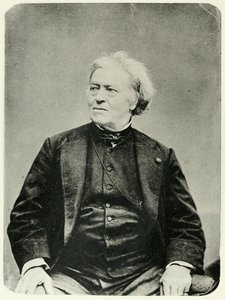
Jean-Baptiste-Camille Corot
1796 - 1875 , Francia
Datos clave
- Estilo Artístico: Neoclasicismo y Plein Air
- Influencia En Artistas: ['Impresionismo']
- Lugar De Nacimiento: París, Francia
- Nacimiento: 16 de julio de 1796
- Nacionalidad: Francesa
- Nombre Completo: Jean-Baptiste-Camille Corot
- Obras Notables:
- El Reposo
- Lectura interrumpida
- Agostina
Artículos relacionados

Cultivating Visions: A Historical Journey Through Rural Landscapes in Art
Explore the rich history of rural landscape painting with AllPaintingsStore. Discover Impressionist masterpieces, key artists & movements. Find your perfect serene artwork and bring nature's beauty home.

Evocations of Place: A Historical Journey Through Landscape Art
Explore the rich history of landscape art with AllPaintingsStore. Discover renowned artists, movements like Impressionism & tonalism, and expert guidance for collecting timeless pieces. Find your perfect serene escape today!

John Constable: Las 25 Obras Maestras del Paisaje Inglés | AllPaintingsStore
Descubre las 25 obras maestras de John Constable, el pintor romántico inglés que capturó la belleza del paisaje. Explora su técnica, historia y significado en AllPaintingsStore.com. Reproducciones de arte de alta calidad para tu hogar.

Evocations of Place: A Historical Journey Through Landscape Art
Explore the rich history of landscape art with AllPaintingsStore. Discover renowned artists, movements like Impressionism & Romanticism, and expert guidance for collecting timeless pieces. Find your perfect serene escape today!
Paul Cézanne: Las 25 Obras Maestras que Definieron el Arte Moderno | AllPaintingsStore
Descubre las 25 obras maestras de Paul Cézanne que revolucionaron el arte moderno. Explora su técnica, inspiración y significado en paisajes, bodegones y retratos. Reproducciones de alta calidad para decorar tu hogar con arte inolvidable. ¡Explora la colección completa en AllPaintingsStore.com!