

Óleo sobre tabla.

§ 1Datos del catálogo


§ 2Abstracto
Descripción del objeto
"El Juicio Final" de Hieronymus Bosch: Una obra maestra surrealista que explora la moralidad y el pecado con imágenes inquietantes y símbolos complejos. Descubre este icono del arte renacentista flamenco.
 Ver más
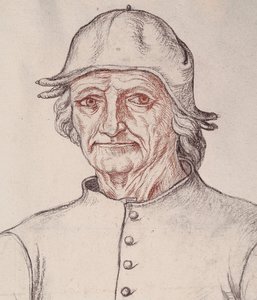
Biografía del artista
Explore el mundo surrealista y simbólico de Jerónimo Bosch (c. 1450-1516), un maestro renacentista holandés. Descubre sus pinturas icónicas, visiones infernales alucinantes, temas religiosos y su influencia perdurable en la historia del arte.
§ 3Comentario
A Glimpse into Bosch’s Inferno: Decoding *The Last Judgement (detail)*
Hieronymus Bosch's *Triptych of the Last Judgement*, completed around 1480-1500, remains one of art history’s most unsettling and enduring masterpieces. More than just a depiction of divine retribution, it’s an intensely personal allegory—a chilling exploration of sin, morality, and God's justice rendered with an imagination that continues to captivate audiences centuries later. This particular detail focuses on the central panel, capturing the horrifying spectacle of Hell itself.Subject & Narrative
The scene plunges us directly into a realm of torment unlike any found in traditional religious iconography. Bosch eschews grand theological narratives, prioritizing instead a visceral portrayal of individual suffering. We witness a chaotic assembly of figures undergoing punishments uniquely tailored to their earthly failings—a deliberate rejection of idealized representations of paradise and damnation. Instruments of torture aren’t merely tools inflicting pain; they embody the sins they represent, transforming into grotesque extensions of human transgression. Bosch's fascination with inventive methods of torment transcends simple fire and brimstone, incorporating fantastical creatures – demons, devils, and monstrous hybrids – alongside disturbing machinery that underscores the absurdity of earthly desires. The artist deliberately avoids grand theological pronouncements, instead presenting a portrait of humanity consumed by fear and despair.Style & Technique: A Masterclass in Northern Renaissance Surrealism
Bosch’s style defies easy categorization, anticipating elements of Surrealism decades before its formal emergence. Rooted in Late Gothic traditions of the Netherlands, it nevertheless possesses an otherworldly quality that distinguishes it from contemporary artistic styles. Bosch's meticulous oil painting technique on wooden panel achieves astonishing levels of detail—a testament to his mastery of pigment and texture. Note the striking contrast between luminous surfaces highlighting areas of focus and rough *impasto* strokes creating a palpable sense of chaotic energy within the darker recesses of Hell. The flattened perspective contributes to the claustrophobic atmosphere, trapping the viewer alongside the tormented souls depicted. Bosch’s use of color is equally deliberate: muted hues dominate the scene, punctuated by flashes of vibrant reds and yellows—colors associated with passion, violence, and divine wrath.Symbolism & Iconography: A Moral Compass
Every element in Bosch's work is laden with symbolism reflecting the anxieties of his time – a period marked by religious fervor, folklore, and societal upheaval. The grotesque figures—often hybrids of human and animal forms—represent the bestial nature of sin and the degradation of humanity. Instruments of torture aren’t merely instruments inflicting pain; they embody the sins they represent, transforming into grotesque extensions of human transgression. Consider the recurring motifs: musical instruments repurposed as tortures symbolizing indulgence; fantastical animals representing primal instincts; and bizarre architectural structures reflecting distorted perceptions of reality. Bosch's meticulous attention to detail extends beyond mere visual representation—he incorporates proverbs and religious beliefs prevalent in his era, offering a window into the moral landscape of fifteenth-century Brabant. Decoding these symbols unlocks deeper meanings about human nature and divine judgment.Historical Context & Artistic Legacy
Hieronymus Bosch lived during a transformative period in European history—the dawn of the Renaissance alongside the continuing influence of medieval dogma. His art reflects the anxieties surrounding mortality, sin, and faith—concerns that resonated deeply with his contemporaries. Bosch’s unparalleled stylistic innovation profoundly impacted subsequent generations of artists—particularly Pieter Bruegel the Elder—who embraced his visionary approach to depicting human experience. He stands as a powerful reminder of art's capacity to confront uncomfortable truths—a testament to its enduring relevance across centuries and cultures. His influence can be seen in contemporary explorations of fantasy, horror, and psychological complexity, cementing his place as one of the most influential figures in Northern Renaissance art.- Ideal for: Collectors of Northern Renaissance art, those interested in symbolism and allegory, designers seeking impactful statement pieces.
- Mood: Dramatic, unsettling, thought-provoking, gothic.
- Pairing Suggestions: Contemporary furniture with dark hues, minimalist spaces emphasizing textural contrasts, gallery walls incorporating thematic connections to morality and apocalypse.
Preguntas y respuestas
¿De qué país es la obra del Northern Renaissance Surrealism "El Juicio Final"?
"El Juicio Final" vincula el movimiento Northern Renaissance Surrealism con Países Bajos a través del lugar de nacimiento de su creador.
¿Cuál es el tono predominante en "El Juicio Final"?
El tono dominante de "El Juicio Final" de Jerónimo Bosch es Del ámbar al azafrán. Este color constituye la base cromática de la paleta.
¿Los colores de "El Juicio Final" de Jerónimo Bosch son intensos o tenues?
Los colores de "El Juicio Final" de Jerónimo Bosch presentan una saturación Color sutil con una intensidad Equilibrado.


 Cambiar a impresiones


 Para obras de arte o reproducciones que midan más de 105 cm (aproximadamente 41 pulgadas) en cualquiera de sus lados, el marco se enviará como un kit desmontado. Este método garantiza una entrega segura y evita daños durante el transporte.


