


 Vista previa
 Compartir
 Compartir
 Ver detalles

 Descargar
 Ver similares
 Radiografía
 Presentación de diapositivas
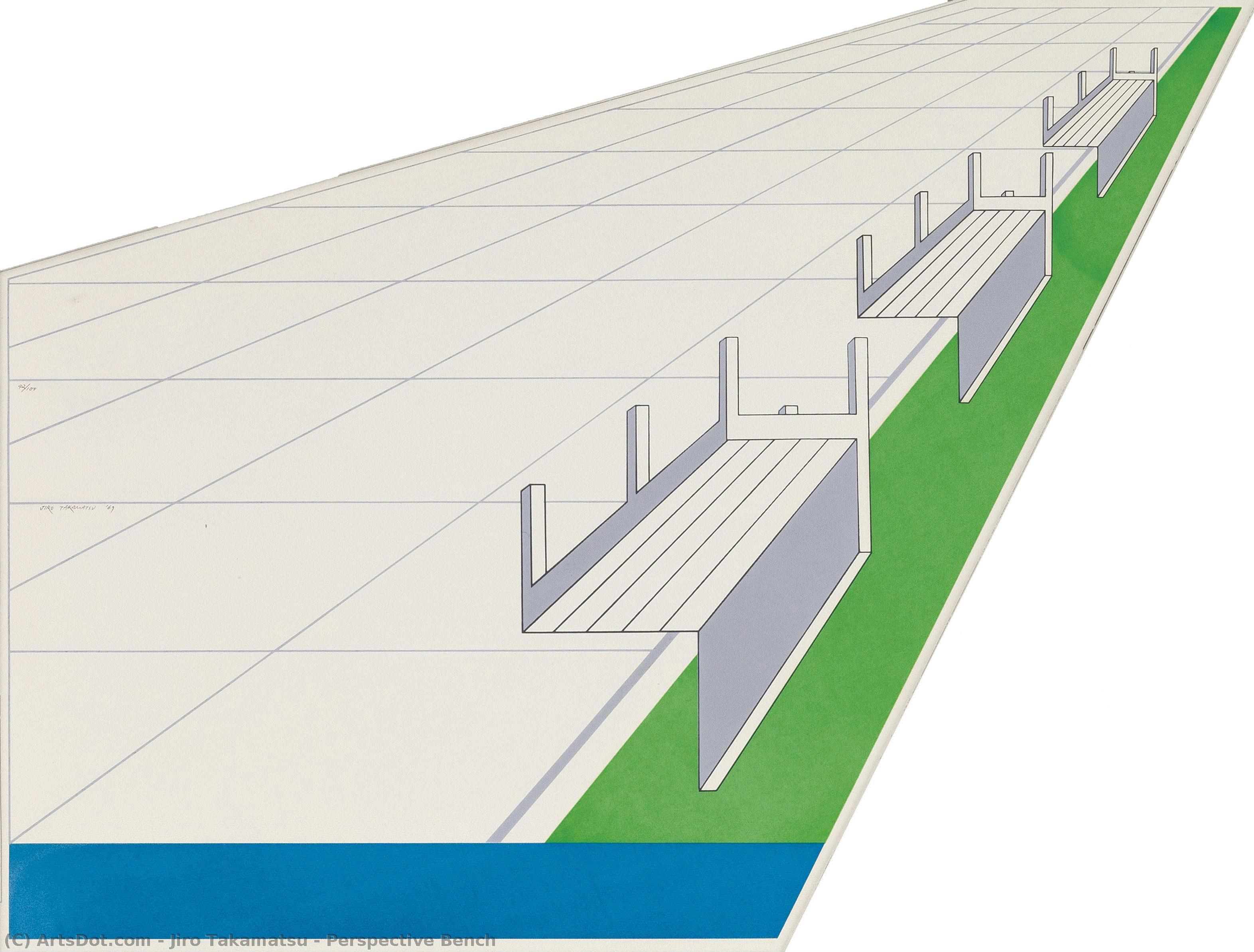
Perspective Bench
 Minimalism
 79.0 x 59.0 cm
 Museo de Arte Moderno de Gyeonggi
 Leer más
Giclée / Impresión de arte
Impresiones giclée o en lienzo de calidad de museo con producción rápida y opciones de acabado flexibles. ( Encargar reproducción pintada a mano Comprar descarga)




































Elija entre nuestros tamaños predefinidos que respetan las proporciones originales de la obra.

Puede introducir sus propias dimensiones para adaptarse a un marco o espacio específico. Si el tamaño seleccionado no coincide con las proporciones de la imagen original, recortaremos la obra de arte o extenderemos la imagen con un borde con efecto espejo o de color sólido. Se enviará una maqueta digital para su aprobación antes de que comience la producción.
Tenga en cuenta que la vista previa en pantalla no refleja el recorte o la extensión real. Solo la maqueta mostrará con precisión la composición final.
Aunque existen tamaños personalizados, recomendamos seleccionar una dimensión de la lista predefinida para preservar las proporciones originales.
Envío a todo el mundo () en 2 semanas en lugar de las 4/5 semanas estándar. (20 agosto)

Envío exprés gratuito a todo el mundo

Lienzo de lino de alta calidad

Seguro de envío completo

Garantía de reembolso de aranceles aduaneros

Garantía de fidelidad cromática exacta

Política de devolución de 60 días (solo por defectos)

Garantía de devolución del 100% del dinero

Oferta por volumen
 La opción de vidrio solo está disponible en tamaños inferiores a 110 cm.

Perspective Bench
Giclée / Impresión de arte
Tamaño de la reproducción
-


Precio total
$ 64
Obras relacionadas


![Abstract Composition [triptych] — Vaclav Vytlacil, Abstract Expressionism](/media/artworks/images/thumbnails/e5/3d/e53db42ea02644b9a8e722f9d4dd3742.jpg)

Biografía del artista
Jiro Takamatsu: Sculptural Shadows and the Poetics of Absence
Jiro Takamatsu (高松 次郎, *Takamatsu Jirō*; 20 February 1936 – 25 June 1998) stands as a pivotal figure in postwar Japanese art, recognized for his radical exploration of materiality, perception, and the very nature of artistic representation. Born in Tokyo in 1936, Takamatsu’s career spanned decades during which he relentlessly interrogated conventional notions of art through groundbreaking sculptural interventions and conceptual explorations rooted in Minimalism and Fluxus. His work transcends mere visual aesthetics; it delves into philosophical inquiries concerning cognition, emptiness, and the limits of human experience—themes that continue to resonate within contemporary artistic discourse. ### Early Life and Artistic Influences Takamatsu’s formative years were marked by exposure to Western art history, notably Cézanne's influence on his early painting studies at Tokyo University of Fine Arts and Music. This intellectual grounding would prove crucial in shaping his subsequent artistic trajectory, informing his engagement with both modernist traditions and the burgeoning avant-garde movements of Japan. Notably, Takamatsu’s participation in the Gutai Art Association alongside fellow artists like Natsuyuki Nakanishi signaled a decisive break from institutional art practices—a commitment to confronting the everyday through performance and unconventional sculptural explorations. The association's ethos of rejecting conventional exhibition spaces and prioritizing direct engagement with materials fueled Takamatsu’s pioneering approach to artistic creation. Cézanne’s exploration of form and volume, particularly his use of pyramidal compositions and spatial recession, profoundly impacted Takamatsu’s visual vocabulary—a connection that would become central to his sculptural practice. ### Hi Red Center and Conceptual Art The formation of Hi Red Center in 1963 alongside Genpei Akasegawa and Natsuyuki Nakanishi represents a cornerstone of Takamatsu's artistic legacy. This collective embarked on audacious public interventions—actions designed to disrupt established hierarchies within the art world and challenge viewers’ assumptions about reality—solidifying Takamatsu’s position at the forefront of Fluxus and Conceptual Art. Their collaborative endeavors extended beyond mere artistic production; they actively questioned the role of art in shaping social consciousness, mirroring the broader intellectual currents of the era. The collective's provocative performances underscored Takamatsu’s conviction that art should transcend passive contemplation, demanding active participation from its audience. They sought to dismantle traditional notions of authorship and originality—rejecting the conventions of the gallery system and prioritizing spontaneous action as a means of artistic expression. ### Sculptural Explorations and “Space in Two Dimensions” Takamatsu’s sculptural practice centered on a meticulous investigation into the fundamental properties of materials—particularly wood—and their relationship to space. His series "Shadow Paintings" (1964–1982), arguably his most enduring contribution, exemplifies this preoccupation with materiality and perception. Takamatsu meticulously crafted sculptures that captured fleeting shadows cast by objects against walls, transforming these seemingly insignificant visual phenomena into meditations on emptiness and the elusive nature of representation. These works challenged viewers to reconsider their understanding of form and space—to recognize that “absence” could be as potent a creative force as visible presence. The artist’s exploration of sculptural voids mirrored his broader philosophical concerns regarding cognition and perception, reflecting the influence of Zen Buddhism and Western Minimalism. He famously stated: "The elementary particle represents ‘the ultimate of division’ and also ‘emptiness itself,’ like the a line within a painting—there appears to be nothing more beyond the line itself." ### Legacy and Recognition Jiro Takamatsu's impact on Japanese art history is undeniable—his pioneering approach to Conceptual Art and Sculpture cemented his place among the most influential artists of the postwar period. Exhibitions showcasing his oeuvre at institutions globally including The Guggenheim Museums and Foundation, Fergus McCaffrey Gallery, Pace Gallery and David Roberts Art Foundation have solidified his reputation as a visionary artist who pushed boundaries of artistic expression. Takamatsu’s work continues to inspire contemporary artists grappling with questions of materiality, perception, and the role of art in confronting existential realities—a testament to his enduring intellectual and aesthetic significance. His sculptures remain powerful reminders of the transformative potential inherent in embracing simplicity and confronting the fundamental conditions of existence.
Jiro Takamatsu
1936 - 1998 , Япония
Datos clave
- Artistic Movement Or Style: Arte japonés posguerra; Arte conceptual; Mono-Ha
- Artists Or Movements Influenced By This Artist: ['Arte conceptual']
- Artists Who Influenced This Artist:
- Paul Cézanne
- Sesshū Tōyō
- Date Of Birth: 20 febrero 1936
- Full Name: Jiro Takamatsu
- Nationality: Japonés
- Notable Artworks:
- Banco de sombras
- El banco de perspectiva
- Place Of Birth: Tokio, Japón
Artículos relacionados

Contemporary Abstract Art: A Professional Buyer's Guide to Large-Scale Modern Decor for Hospitality and Corporate Interiors
A professional procurement guide for hotel designers and architects. Discover how to integrate large-scale contemporary abstract art into hospitality projects through high-volume, custom-sized oil reproductions, multi-panel layouts, and reliable global logistics.

Neo-Abstract Art Trend Forecast: High-Impact Geometric Compositions for Contemporary Commercial Interiors
Elevate commercial interiors with Neo-Abstract art. Discover how high-impact geometric compositions and custom oil reproductions provide scalable, sophisticated design solutions for hotels, restaurants, and corporate spaces. Expert procurement for large-scale hospitality projects.


