


 Vista previa
 Compartir
 Compartir
 Ver detalles

 Descargar
 Ver similares
 Radiografía
 Presentación de diapositivas
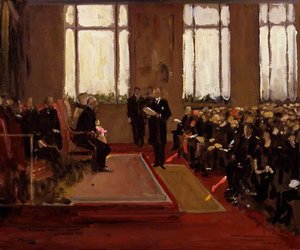
Seating Chart


 Leer más
Giclée / Impresión de arte
Impresiones giclée o en lienzo de calidad de museo con producción rápida y opciones de acabado flexibles. ( Encargar reproducción pintada a mano Comprar descarga)




































Elija entre nuestros tamaños predefinidos que respetan las proporciones originales de la obra.

Puede introducir sus propias dimensiones para adaptarse a un marco o espacio específico. Si el tamaño seleccionado no coincide con las proporciones de la imagen original, recortaremos la obra de arte o extenderemos la imagen con un borde con efecto espejo o de color sólido. Se enviará una maqueta digital para su aprobación antes de que comience la producción.
Tenga en cuenta que la vista previa en pantalla no refleja el recorte o la extensión real. Solo la maqueta mostrará con precisión la composición final.
Aunque existen tamaños personalizados, recomendamos seleccionar una dimensión de la lista predefinida para preservar las proporciones originales.
Envío a todo el mundo () en 2 semanas en lugar de las 4/5 semanas estándar. (19 agosto)

Envío exprés gratuito a todo el mundo

Lienzo de lino de alta calidad

Seguro de envío completo

Garantía de reembolso de aranceles aduaneros

Garantía de fidelidad cromática exacta

Política de devolución de 60 días (solo por defectos)

Garantía de devolución del 100% del dinero

Oferta por volumen
 La opción de vidrio solo está disponible en tamaños inferiores a 110 cm.

Seating Chart
Giclée / Impresión de arte
Tamaño de la reproducción
-


Precio total
$ 64
Descripción de la pieza
Obras relacionadas


Biografía del artista
John Collard Vickery (j.c.vickery): A Victorian Luxury Merchant & Artistic Patron
John Collard Vickery, born in London in 1856, was more than just a businessman; he embodied the spirit of Victorian Britain – ambition, innovation, and an unwavering belief in elevating taste and sophistication. His legacy resides not only in the opulent goods he traded but also in his connections to influential museums and institutions that shaped the cultural landscape of his era.
Early Life & Education: Vickery’s formative years were spent in Wiveliscombe, Somerset, where he was raised in a family steeped in printing and bookselling tradition. His father, John, established a thriving business, providing him with invaluable insight into the world of commerce and craftsmanship – skills that would prove crucial to his future endeavors. This upbringing instilled within him a profound appreciation for detail and precision, qualities that would permeate his subsequent pursuits.
The Vickery Partnership: In 1890, Vickery joined forces with Arthur Thomas Hobbes to acquire William Griggs’ stationery shop on Regent Street, marking the genesis of J.C. Vickery Ltd., a venture destined for remarkable success. Griggs's business had been established in 1843 and 1854, demonstrating the enduring appeal of traditional retail establishments. Recognizing the burgeoning demand for luxury items during the Edwardian period, Vickery swiftly broadened his offerings to include jewellery, dressing cases, and exquisite silverware – mirroring the trends prevalent across Europe’s elite circles.
Expansion & Innovation: By 1900, he had expanded his Regent Street premises considerably, creating a prestigious showroom complex that cemented Vickery's position as a leading trader in refined goods. This ambitious undertaking showcased his astute understanding of market dynamics and his willingness to invest in establishing a brand synonymous with elegance and quality. Furthermore, Vickery’s meticulous attention to sourcing materials and craftsmanship ensured that J.C. Vickery Ltd.’s products stood apart from the competition.
Royal Patronage & Artistic Connections: Vickery’s reputation soared when he secured royal warrants from Edward VII and Queen Alexandra, signifying the esteem accorded to his business by Britain’s monarchy. This honor underscored not only his commercial achievements but also his commitment to supporting artistic endeavors – a passion that would translate into significant contributions to cultural heritage.
Legacy & Dissolution: Despite achieving considerable acclaim, Vickery's company faced challenges in the aftermath of World War I, grappling with economic difficulties exacerbated by the Great Depression. In 1930, it succumbed to administration, absorbed by James Walker Ltd., marking a poignant end to an era defined by Victorian grandeur and entrepreneurial vision. Saunders recounted that “Shortly before his death, the late G. S. Saunders of James Walker Ltd., told me that J. C. Vickery's business reached the height of its success before the First World War. Vickery, who would travel each day from Streatham to Regent Street in his own carriage, stopped his coachman one day in order to examine a leaf on the drive outside his house. Stepping down from the vehicle he picked up the leaf to pin it to it a note. As he continued his journey his gardeners were astonished to read 'Why has this leaf been here for two days?'” This whimsical detail speaks volumes about Vickery’s character – a man driven by meticulous observation and an unwavering pursuit of excellence.
John Collard Vickery's contribution extends beyond mere commerce; he represents the embodiment of Victorian ambition, artistic sensibility, and a commitment to fostering cultural enrichment. His story serves as a testament to the transformative power of entrepreneurial spirit and the enduring legacy of individuals who shaped their time with vision and distinction.

John Collard Vickery
1890 - 1930 , Reino Unido
Datos clave
- Artistic Movement Or Style: Luxuries victorianos
- Artists Or Movements Influenced By This Artist: ['James Walker Ltd.']
- Artists Who Influenced This Artist: ['William Griggs']
- Date Of Birth: Londres, Reino Unido (1856)
- Date Of Death: 1930
- Full Name: John Collard Vickery
- Nationality: Británico
- Notable Artworks: ['CHRISTOPHER CLARKE ANTIQUES']
- Place Of Birth: Wiveliscombe, Somerset
Artículos relacionados

Victorian Romanticism: A Professional Guide to Integrating Timeless Art into Luxury Hospitality and Corporate Interiors
Elevate luxury hospitality and corporate interiors with Victorian Romanticism. APS provides professional art sourcing, from hand-painted oil reproductions to large-format murals and multi-panel sets. Reliable bulk ordering, custom sizing, and global shipping for hotel designers.

Victorian Botanical Art: A Professional Guide to Sourcing Timeless Floral Reproductions for Luxury Hotel Interiors
Elevate hospitality interiors with premium Victorian botanical art reproductions. A professional guide for hotel designers on sourcing hand-painted oils and large-scale murals, featuring expert procurement advice, bulk ordering, and reliable global logistics for luxury spaces.



