

Romanticism · 1822
Cloud Study (John Constable, 1822)
Cloud Study es una obra de John Constable (1776–1837). Data de 1822. Pertenece al movimiento Romanticism. Está realizado en Oil. Se conserva en Yale Center for British Art, en Nueva Haven, Estados Unidos de América. Sus dimensiones son 28.6 × 48.3 cm.
- 1822
- Oil
- 28.6 × 48.3 cm
- Yale Center for British Art, Nueva Haven

 Ver en contexto

 Imprimir
 Enviar
 Compartir
 Ficha técnica


 Descargar
 Similares
 Radiografía
 Presentación de diapositivas
 Preguntas y respuestas

 Estadísticas
Cloud Study: detalles clave
- Título
- Cloud Study
- Artista
- John Constable (1776–1837)
- Lugar de nacimiento del artista
- East Bergholt, Reino Unido
- Fecha
- 1822
- Técnica
- Oil
- Dimensiones
- 28.6 × 48.3 cm
- Dónde verlo
- Yale Center for British Art, Nueva Haven, Estados Unidos de América
- Movimiento
- Romanticism
- Época
- 19th Century
- Tema
- clouds, sky, blue sky, white clouds, gray clouds, texture
¿Qué muestra Cloud Study?
Identification of Cloud Study by John Constable
Cloud Study is an oil on paper study executed by John Constable in 1821. This work focuses on the atmospheric movement of the sky, capturing the transient nature of light and vapor. It belongs to the Romanticism movement of the 19th century.
The piece is part of the Paul Mellon Collection and is currently held at the Yale Center for British Art in New Haven. It represents a period of intense observation for the artist, specifically regarding the meteorological conditions of the English landscape.
Composition and Visual Elements of the Sky
The composition focuses on atmospheric sky and cloud formations, utilizing a palette of blue, gray, and white. Swirling strokes and soft white vapor create a sense of movement across the expanse. These elements interact with cream tones and charcoal to define the shifting structures of the clouds. The arrangement emphasizes the weight and volume of the vaporous forms against the blue sky.
Texture is central to the visual experience, as the interplay of light and shadow defines the cloudscapes. While the primary focus remains on the sky, the composition includes glimpses of landscape, such as trees and dark foliage, which provide a sense of scale and grounding to the celestial activity. The interaction between the gray clouds and the lighter, white highlights suggests a dynamic, changing atmosphere.
Technique and Physical Materials Used
Executed in oil on paper laid on board, the work demonstrates a commitment to the immediacy of plein air study. The artist employs an impasto-like technique to build physical weight upon the surface, creating a tactile presence that mimics the density of vapor. These thick applications of paint allow for a direct engagement with the medium, capturing the transient nature of light and atmosphere through material substance.
The surface is defined by expressive brushstrokes and fluid, gestural movements. Layered textures emerge from the application of pigment, utilizing swirling strokes to suggest the motion of the sky. This method relies on a sophisticated handling of light and shadow to provide volume to the cloud formations. The result is a surface that prioritizes the physical reality of the paint to convey the shifting conditions of the atmosphere.
Documented Interpretations and Scholarly Debates
Scholarly discussion often centers on the extent to which meteorological science influenced the artist's approach to the sky. A significant debate concerns the impact of Luke Howard’s cloud classification system, published in the early 19th century. Some researchers suggest that familiarity with these scientific categorizations resulted in a more balanced light, increased freshness, and a heightened sense of realism in the artist's work during this period.
However, this connection remains contested. While some argue that these studies represent a shift toward scientific naturalism, others maintain that the works produced at Hampstead Heath between 1821 and 1822 were never actually utilized in later, larger compositions. This tension raises questions about the functional purpose of such studies—whether they were intended as direct preparatory tools for major landscapes or as independent investigations into the transient nature of the atmosphere.
Related Works by the Same Artist
Constable’s preoccupation with atmospheric conditions is evident in several other studies from the same period. His investigations into the sky continued through 1821 and 1822, resulting in works such as Cloud Study, Hampstead, Tree at Right (1821) and a separate Cloud Study held in the National Museum in Warsaw, dated about 1822.
His larger compositions often integrated these meteorological observations to establish a sense of place. Notable examples include The Hay Wain (1821) and Salisbury Cathedral from the Meadows (1831). These works demonstrate how his study of light and vapor informed his approach to the English landscape.
¿Dónde se encuentra Cloud Study hoy?
Yale Center for British Art
Nueva Haven, Estados Unidos de América
La historia del Yale Center for British Art Fundado en 1966, el Yale Center for British Art ocupa un lugar de gran relevancia en Nueva Haven, Connecticut, dentro de los Estados Unidos de América. La institución nació del generoso legado de una colección extraordinaria reunida por Paul Mellon, un gesto que transformó profundamente el panorama de los estudios del arte británico en la región. Al proporcionar un hogar permanente para obras que trazan la evolución de la identidad visual de una nación, este espacio permite un encuentro directo y tangible con la historia de la estética y las costumbres sociales británicas.


Cloud Study: archivos de imagen

John Constable, Cloud Study (1822), Yale Center for British Art. Dominio público
Colores verificados con el original, archivo retocado por un experto digital.
Comprar la imagen en alta resoluciónPreguntas sobre Cloud Study
¿Dónde se encuentra actualmente en exposición "Cloud Study" de John Constable?
"Cloud Study" de John Constable se encuentra en exhibición en Yale Center for British Art, Nueva Haven, Estados Unidos de América. La información del museo se refiere a la obra original, no a reproducciones.
¿En qué año se creó "Cloud Study" de John Constable?
"Cloud Study" de John Constable fue creado en 1822.
¿En qué técnica está ejecutada "Cloud Study" de John Constable?
La técnica de "Cloud Study" de John Constable es Oil. Las reproducciones pretenden recrear la apariencia de esta técnica.
¿Cuáles son las dimensiones de la obra original "Cloud Study"?
"Cloud Study" mide 28.6 x 48.3cm en su formato original. Las dimensiones originales son una referencia útil al elegir el tamaño de una reproducción.
¿Qué temas aparecen en "Cloud Study" de John Constable?
Los temas de "Cloud Study" son clouds, sky, blue sky, white clouds, gray clouds, texture.
¿Es "Cloud Study" de John Constable de dominio público?
Información sobre los derechos de autor de "Cloud Study" de John Constable: la obra es en el dominio público: sus derechos de autor han expirado. Esto determina si las reproducciones de la imagen pueden realizarse libremente.
¿Quién es el artista detrás de "Cloud Study"?
"Cloud Study" se atribuye a John Constable.
¿A qué movimiento artístico pertenece "Cloud Study" de John Constable?
"Cloud Study" es una obra de Romanticism. El movimiento indica la tradición artística a la que pertenece la obra.
¿A qué etapa de la trayectoria de John Constable pertenece "Cloud Study"?
"Cloud Study" representa el Mature Period de John Constable.
Sobre John Constable
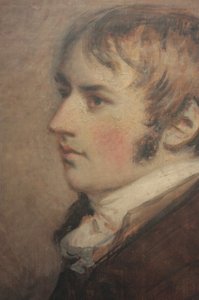
1776–1837, Reino Unido
John Constable
Vida temprana, familia y formación John Constable nació en 1776 en la aldea de East Bergholt, Suffolk. Era el segundo hijo de Golding y Ann (Watts) Constable. Su padre era un próspero comerciante de cereales y carbón que era propietario de Flatford Mill. Esta conexión con el río y el comercio local significaba que los ritmos del agua y el movimiento de las mercancías formaban parte de la vida cotidiana del hogar.
Todas las obras de John Constable, con tamaños y precios → Perfil del artista Obras famosas de John Constable
Otras obras de John Constable
 The Hay Wain1821
 Vista de la Catedral de Salisbury desde los terrenos del Obispo1823
 Salisbury cathedral
 El Tronco de Segueta (detalle)1821

Lecturas sobre Cloud Study
 25 Obras Maestras Imprescindibles del Yale Center for British ArtExplora 25 joyas del Romanticismo y maestros como Constable en Yale. ¡Descubre estas obras maestras en AllPaintingsStore.com!
 Ethereal Skies: The Curated Collector's Guide to Cloudscape Masterpieces and Atmospheric GrandeurDiscover the sublime beauty of cloudscape masterpieces. From Impressionist light to atmospheric depth, explore a curated journey through fi…
 Las 25 mejores obras de John Constable: Maestría del paisaje inglésExplora las 25 obras maestras de John Constable y el romanticismo inglés. ¡Descubre toda la colección en AllPaintingsStore.com!