


 Vista previa
 Compartir
 Compartir
 Ver detalles
 Guía
Guía

 Descargar
 Ver artículos similares
 Radiografía
 Presentación de diapositivas
 Estadísticas
Windmills in landscape
 Oil On Panel
- WallArt
- Romantic Landscape Painting
 19th Century
 51.0 x 76.0 cm
 Leer más
Giclée / Impresión de arte
Impresiones giclée o en lienzo de calidad de museo con producción rápida y opciones de acabado flexibles. ( Encargar reproducción pintada a mano Ver versión en imagen digital)




P118B €10

P118H €10

P118W €10

P438Z €10

P508JH €12

P508YH €12

P805H €10

P805Z €10

P919BZ €10

P919G €10

P919XJ €10

P959ZH €10

P968JZ €12

W106C €8

W218G €10

W218JH €8

W218Y €10

W307PJ €10

W316G €10

W316PJ €8

W316Y €10

W398PJ €8

W4111J €10

W500HY €15

W500JH €15

W692G €12

W849H €8

W940BG €15

W953PJ €8




Elija entre nuestros tamaños predefinidos que respetan las proporciones originales de la obra.

Introduzca el ancho y el alto que necesite para adaptarse a su marco o pared. Una impresión solo puede recortarse, nunca hacerse más grande que la imagen original, por lo que un tamaño con una forma distinta perderá parte de la obra. Le enviaremos una maqueta digital para su aprobación antes de realizar cualquier impresión. La imagen que se muestra en esta página no refleja el recorte real; solo la maqueta lo hace.
Envío a todo el mundo () en 2 semanas en lugar de las 4/5 semanas estándar. (24 octubre)

Envío exprés gratuito a todo el mundo

Lienzo de lino de alta calidad

Seguro de envío completo

Garantía de reembolso de impuestos aduaneros

Garantía de fidelidad cromática exacta

Política de devolución de 100 días (solo por defectos)

Garantía de devolución del 100% del dinero

Oferta por volumen
 La opción de vidrio solo está disponible en tamaños inferiores a 110 cm.

Windmills in landscape
Giclée / Impresión de arte
Tamaño de la reproducción
-


Precio total
€ 56
A Symphony of Light and Sky
In his 1830 masterpiece, "Landscape with Windmills Near Haarlem," John Constable invites the viewer into a world where the atmosphere itself becomes a living, breathing protagonist. This evocative landscape is far more than a mere topographical record of rural life; it is a profound meditation on the transient beauty of nature. The scene unfolds across a sprawling vista, dominated by two windmills that stand as silent sentinaries against a dramatic, brooding sky. One windmill anchors the left side of the composition, while another rests more centrally, partially veiled by the lush greenery of the trees. Through his masterful command of light and shadow, Constable creates an illusionistic depth that pulls the observer into the very heart of the English countryside, making the damp, cool air of a cloudy afternoon feel almost tangible.
The painting captures a moment of quiet drama, where the interplay between sunlight and heavy, moisture-laden clouds creates a sense of movement across the canvas. Scattered throughout the verdant fields, small figures move with the unhurried rhythm of pastoral life, adding a human dimension to the vastness of the landscape. This careful arrangement of elements—the sturdy structures of industry, the organic silhouettes of trees, and the ephemeral textures of the clouds—works in harmony to evoke the quintessential charm of the Romantic era. For the collector or interior designer, this piece offers a window into a serene yet powerful world, providing a focal point that brings both tranquility and a sense of historical grandeur to any sophisticated space.
The Mastery of Romantic Technique
To behold a Constable is to witness the revolution of the landscape genre. Moving away from the rigid, academic conventions of his predecessors, Constable embraced the Romantic ideal, prioritizing emotional resonance and the "feeling" of a place over clinical precision. His technique in this work is nothing short of extraordinary; utilizing oil paint on oak panel, he employed a thick, textured application known as impasto. This method allowed him to build up layers of pigment that catch the light, mimicking the physical presence of earth, foliage, and the heavy textures of storm clouds. This tactile quality gives the painting an incredible vitality, ensuring that the landscape feels less like a static image and more like a captured moment in time.
Historically, this work sits at the pinnacle of Constable’s mature period, reflecting his deep-seated connection to the landscapes of his youth. While the title suggests a nod to the Dutch masters—specifically the influence of Jacob van Ruisdael—the soul of the painting remains rooted in the English tradition of capturing the sublime. The windmills themselves serve as potent symbols: they represent the harmonious integration of human endeavor and industrial progress within the natural world. By placing these symbols of labor against a turbulent, ever-changing sky, Constable underscores the delicate balance between man and the elements, creating an emotional impact that continues to resonate with modern viewers seeking a connection to the enduring power of nature.
Preguntas y respuestas
¿De qué está hecho "Windmills in landscape"?
"Windmills in landscape" está ejecutada en Oil On Panel.
¿Para quién se sugiere "Windmills in landscape" como regalo y para qué uso?
La recomendación de regalo para "Windmills in landscape" de John Constable combina Anniversary con Accent.
¿Es "Windmills in landscape" de John Constable de dominio público y por qué?
"Windmills in landscape" de John Constable es de en el dominio público: sus derechos de autor han expirado. La duración de los derechos de autor comienza a partir del fallecimiento del artista, que ocurrió en 1837.
Obras relacionadas


Biografía del artista
**vida temprana y dificultades**
john constable, un reconocido artista británico, nació el 23 de junio de 1776 en East Bergholt, Suffolk. Su vida temprana estuvo marcada por una profunda conexión con la naturaleza, que más tarde se convertiría en la marca distintiva de su estilo artístico. A pesar de enfrentar numerosos desafíos en el mercado del arte inglés, la dedicación inquebrantable de Constable a su oficio allanó el camino para un legado que va mucho más allá de su tiempo.**estilo artístico e influencia**
El enfoque distintivo de Constable en la pintura de paisajes, caracterizado por su énfasis en la belleza natural y la profundidad emocional, marcó un cambio significativo en el género. Su influencia fue particularmente profunda en Francia, donde desempeñó un papel clave en la configuración de la escuela de Barbizon de pintores. Esta escuela, conocida por su enfoque en el realismo y la naturaleza, se inspiró directamente en las técnicas y temas de Constable.- Netley Abbey (óleo sobre lienzo), un testimonio de su habilidad para capturar la esencia de los paisajes naturales.
- The Judges Walk, Hampstead (romanticismo, óleo), que muestra su capacidad para infundir toques personales en su obra.
- A View on the Stour near Dedham (129 x 188 cm, romanticismo, óleo sobre lienzo), un ejemplo primordial de su influencia en el género del paisaje.
**legado y recuerdo**
Hoy en día, John Constable es recordado no solo como un pintor de paisajes, sino también como un pionero que abrió nuevas posibilidades para la expresión emocional en el arte. Su profundo impacto en el curso de la pintura de paisajes en el siglo XIX y más allá es innegable. Puntos clave:** * Influyente en el desarrollo de la escuela de Barbizon en Francia * Pionero de un nuevo enfoque en la pintura de paisajes, centrado en la belleza natural y la profundidad emocional * Luchó por el reconocimiento en el mercado del arte inglés durante su vida- Explore más obras de Constable en https://AllPaintingsStore.com/@/john-constable
- Descubra las obras maestras del Museo Blake (Reino Unido) en https://AllPaintingsStore.com/@@/d3bux7
- Aprenda más sobre la escuela de Barbizon y su influencia en la pintura de paisajes en https://en.wikipedia.org/wiki/barbizon_school
**conclusión**
El legado de John Constable es un testimonio del poder transformador del arte. Su influencia en la pintura de paisajes, tanto en su tiempo como más allá, sirve como un recordatorio del profundo impacto que un artista puede tener en el mundo.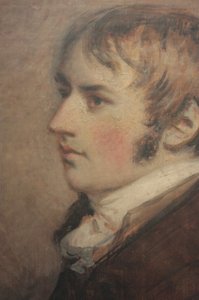
John Constable
1776 - 1837 , Reino Unido
Datos clave
- Artistas Influenciados: ['Escuela de Barbizon']
- Artistas Que Influyeron:
- Claude Lorrain
- Jacob van Ruisdael
- Fecha De Muerte: 1837
- Fecha De Nacimiento: 23 de junio de 1776
- Lugar De Nacimiento: East Bergholt, Reino Unido
- Movimiento Artístico: Romanticismo
- Nacionalidad: Británico
- Nombre Completo: John Constable
- Obras Notables:
- Netley Abbey
- The Judges Walk, Hampstead
- A View on the Stour
- The Hay Wain
- Salisbury Cathedral
Artículos relacionados
Alfred Munnings: Las 25 Obras Maestras del Pintor de Caballos | AllPaintingsStore
Descubre las 25 obras maestras de Alfred Munnings, el pintor británico de caballos por excelencia. Explora su impresionismo inglés, escenas campestres y técnica única. Encuentra reproducciones de arte de alta calidad en AllPaintingsStore.com.

Paisajes Románticos: 10 Obras Maestras que Definieron un Movimiento Artístico
Descubre los 10 paisajes románticos más influyentes de artistas como Caspar David Friedrich y Turner. Explora la belleza, el simbolismo y las técnicas del movimiento romántico. Reproducciones de arte exclusivas en AllPaintingsStore.com.

John Constable: Las 25 Obras Maestras del Paisaje Inglés | AllPaintingsStore
Descubre las 25 obras maestras de John Constable, el pintor romántico inglés que capturó la belleza del paisaje. Explora su técnica, historia y significado en AllPaintingsStore.com. Reproducciones de arte de alta calidad para tu hogar.

Cultivating Visions: A Historical Journey Through Rural Landscapes in Art
Explore the rich history of rural landscape painting with AllPaintingsStore. Discover Impressionist masterpieces, key artists & movements. Find your perfect serene artwork and bring nature's beauty home.

David Cox the Elder: Landscape, Light & the Romantic Vision of Rural England
Explore the captivating landscapes of David Cox the Elder, a pivotal figure in British Romanticism. Discover his masterful watercolour techniques, enduring legacy & find timeless art for your home at AllPaintingsStore.


