


 Vista previa
 Compartir
 Compartir
 Ver detalles

 Descargar
 Ver similares
 Radiografía
 Presentación de diapositivas
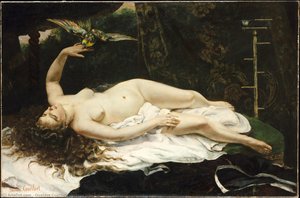
BACCHANTE


 Leer más
Giclée / Impresión de arte
Impresiones giclée o en lienzo de calidad de museo con producción rápida y opciones de acabado flexibles. ( Encargar reproducción pintada a mano Comprar descarga)




P118B $10

P118H $10

P118W $10

P438Z $10

P508JH $12

P508YH $12

P805H $10

P805Z $10

P919BZ $10

P919G $10

P919XJ $10

P959ZH $10

P968JZ $12

W106C $8

W218G $10

W218JH $8

W218Y $10

W307PJ $10

W316G $10

W316PJ $8

W316Y $10

W398PJ $8

W4111J $10

W500HY $15

W500JH $15

W692G $12

W849H $8

W940BG $15

W953PJ $8




Elija entre nuestros tamaños predefinidos que respetan las proporciones originales de la obra.

Puede introducir sus propias dimensiones para adaptarse a un marco o espacio específico. Si el tamaño seleccionado no coincide con las proporciones de la imagen original, recortaremos la obra de arte o extenderemos la imagen con un borde con efecto espejo o de color sólido. Se enviará una maqueta digital para su aprobación antes de que comience la producción.
Tenga en cuenta que la vista previa en pantalla no refleja el recorte o la extensión real. Solo la maqueta mostrará con precisión la composición final.
Aunque existen tamaños personalizados, recomendamos seleccionar una dimensión de la lista predefinida para preservar las proporciones originales.
Envío a todo el mundo () en 2 semanas en lugar de las 4/5 semanas estándar. (19 agosto)

Envío exprés gratuito a todo el mundo

Lienzo de lino de alta calidad

Seguro de envío completo

Garantía de reembolso de aranceles aduaneros

Garantía de fidelidad cromática exacta

Política de devolución de 60 días (solo por defectos)

Garantía de devolución del 100% del dinero

Oferta por volumen
 La opción de vidrio solo está disponible en tamaños inferiores a 110 cm.

BACCHANTE
Giclée / Impresión de arte
Tamaño de la reproducción
-


Precio total
$ 64
Descripción de la pieza
A Vision of Mythological Splendor
In the lush, untamed heart of a primordial forest, Léon Riesener’s BACCHANTE unfolds as a breathtaking encounter with the divine and the sensual. The painting presents a reclining nude figure, her form draped in a state of graceful languor, intertwined seamlessly with the verdant textures of the natural world. This is not merely a portrait of a woman, but an invitation into the ecstatic realm of Dionysus. Accompanied by the sleek, watchful presence of a leopard, the composition breathes with the spirit of Bacchic revelry, where the boundaries between humanity, animal instinct, and botanical abundance dissolve into a single, harmonious vision of mythological life.
The emotional resonance of the piece lies in its ability to evoke both intimacy and wildness. There is a profound sense of peace in the figure's repose, yet the surrounding elements—the shadows of the deep woods and the predatory grace of the leopard—hint at the untamed energies of nature. For the discerning collector or interior designer, this artwork offers a captivating focal point that brings a sense of romantic drama and classical elegance to any space, acting as a window into an era of poetic imagination.
Mastery of Color and Romantic Technique
Léon Riesener, a pioneer of color within the French Romantic movement, demonstrates his technical virtuosity through a sophisticated interplay of light and shadow. The palette is a rich tapestry of earthy tones; deep forest greens, warm ochre, and mossy browns create a dense, atmospheric setting that feels almost tactile. Against this darker, more mysterious backdrop, the pale, luminous skin of the Bacchante serves as a brilliant highlight, drawing the eye immediately to the central figure. Riesener’s brushwork is both precise and painterly, utilizing subtle gradations to render the softness of human flesh against the rougher textures of tree bark and the sleek fur of the leopard.
The technique employed here suggests a deep understanding of light's transformative power. The lighting is soft and diffused, as if filtered through a thick canopy of leaves, which avoids harsh shadows and instead creates a gentle, enveloping glow. This approach lends the work a decorative quality that is both sophisticated and timeless. The layering of oil paints provides a rich saturation that ensures the colors remain vibrant, making a high-quality reproduction an enduring investment for those who appreciate the depth and luminosity of 19th-century academic realism.
Symbolism and the Spirit of Abundance
Every element within this composition serves a symbolic purpose, contributing to the overarching theme of fertility and the eternal cycle of nature. The presence of the leopard is a direct nod to the iconography of Dionysus, representing the wild, uninhibited side of the god's followers. Similarly, the lush vegetation and hints of grapes serve as emblems of abundance, wine, and the bountiful gifts of the earth. Riesener uses these symbols to weave a narrative of plenty, where the physical beauty of the Bacchante mirrors the fertile richness of her environment.
To possess a piece such as BACCHANTE is to hold a fragment of Romanticism's most evocative era. It is an artwork that speaks to the soul's desire for connection with the natural world and the celebration of life's sensory delights. Whether placed in a grand salon or a curated private study, this masterpiece continues to inspire awe through its seamless blend of technical brilliance, mythological depth, and an everlasting sense of enchantment.
Obras relacionadas


Biografía del artista
Léon Riesener: Un Pionero del Color Romántico
Léon Riesener (1808 – 1878) ocupa un lugar singular en el panorama artístico francés de principios de siglo XIX, reconocido no solo por su producción artística sino también por su innovadora exploración de la ciencia del color y su dedicación incansable a capturar la esencia de la naturaleza con una vibrancia sin precedentes. Nacido en una familia artística –su padre, Henri-François Riesener, también pintor– Léon pasó sus primeros años impregnado de un profundo amor por el arte visual, impulsándolo hacia el dominio del oficio desde temprana edad. Su formación inicial bajo Antoine-Jean Gros consolidó su comprensión de las prácticas estudiantiles y estableció una base sólida para sus futuros proyectos.Influencias Tempranas: Más Allá de la Academia
Riesener comenzó su viaje artístico con un estudio meticuloso de las divisiones tonales, adelantándose varios años al descubrimiento científico de Chevreul sobre la teoría del color. Esta curiosidad intelectual alimentó su búsqueda de perfección en la expresión artística, particularmente en la representación de la textura de la piel –un testimonio de su sensibilidad táctil y deseo de transmitir realismo-. Diferenciándose así de muchos otros artistas de su época que adherían estrictamente a las convenciones académicas, Riesener abrazó una visión audaz centrada en capturar la belleza del mundo natural con una intensidad emocional sorprendente. Esta actitud desafiante reflejó un espíritu crítico hacia las normas establecidas y una voluntad constante de experimentar nuevas vías para el arte.Rubens: El Shakespeare de la Pintura y su Inspiración
Riesener admiraba profundamente a Rubens, cuyo veía como “el Shakespeare de la pintura”, reconociendo su habilidad magistral para infundir emoción en narrativas visuales. Esta influencia marcó profundamente sus sensibilidades artísticas, guiándolo hacia un estilo caracterizado por una iluminación dramática y modelado expresivo. Como muchos artistas románticos de la época, Riesener buscó emular el lenguaje emocional de Rubens, buscando transmitir sentimientos complejos y estados psicológicos con una precisión impresionante. Este interés en la expresión artística fue fundamental para definir su estilo único y consolidar su lugar entre los grandes maestros del siglo XIX.La Ciencia como Fuente de Inspiración: Explorando las Teorías Cromáticas
Más allá de la inspiración estética, Riesener demostró un profundo conocimiento científico que impulsó sus investigaciones sobre principios fundamentales de pintura. Investigó meticulosamente las obras de Titian, Veronese y Correggio, absorbiendo sus estrategias composicionales y dominando su uso magistral del color. Esta pasión por el estudio teórico fue particularmente evidente en su análisis de la teoría del color desarrollada por Chevreul, quien había logrado comprender cómo los colores interactúan entre sí para crear efectos visuales sorprendentes. Riesener aplicó estos conocimientos científicos a su propio trabajo artístico, buscando obtener resultados óptimos y lograr una representación fiel de la realidad. Esta actitud innovadora anticipó muchos desarrollos posteriores en el ámbito del impresionismo, estableciendo así un legado duradero en la historia del arte.Una Obra Maestral: "Fountain" y Otros Éxitos
Entre sus obras más destacadas se encuentra “Fuente”, una pintura que captura con maestría la belleza de un paisaje urbano iluminado por el sol poniente. Esta obra maestra ejemplifica la habilidad de Riesener para combinar colores vibrantes y efectos de luz dramática, creando una atmósfera evocadora y llena de emoción. También fue reconocido por otros trabajos importantes como "Venus et Amour" y "Léda", donde Riesener demostró su capacidad para transmitir sentimientos complejos y estados psicológicos con una sensibilidad excepcional. Estos cuadros siguen siendo objeto de estudio y admiración hasta nuestros días, testimonio del talento artístico único de Léon Riesener y su impacto significativo en el desarrollo del arte romántico francés.
Léon Riesener
1808 - 1878 , Francia
Datos clave
- Artistic Movement Or Style: Romanticismo
- Artists Or Movements Influenced By This Artist: ['Impresionismo']
- Artists Who Influenced This Artist:
- Rubens
- Tiziano
- Veronese
- Correggio
- Date Of Birth: 1808
- Date Of Death: 1878
- Full Name: Louis Antoine Léon Riesener
- Nationality: Francés
- Notable Artworks:
- Fuente
- Venus y Amor
- Léda
- Place Of Birth: France
Artículos relacionados

The Enduring Allure of the Nude: A Historical & Artistic Exploration of the Human Form
Explore the captivating history of nude art! Discover iconic paintings & artists from classical to modern eras. Uncover symbolism, techniques & find museum-quality reproductions at AllPaintingsStore.

The Eloquent Form: A Historical & Aesthetic Exploration of the Nude in Art
Explore the captivating history of the nude in art! From ancient Greece to modern masters, discover its evolving symbolism, techniques & enduring beauty. Expert insights for collectors and enthusiasts.

The Evocative Brushstroke: Exploring Emotion, Individuality & the Sublime in Romanticism's Artistic Landscape
Explore the passionate world of Romanticism! Discover masterpieces by Friedrich & Goya, delve into the sublime, and understand the movement's lasting impact on art history. Expert analysis & insights at AllPaintingsStore.

The Power of Emotion: A Definitive Guide to the Sublime and Soulful Art of Romanticism
Explore the profound emotional depth of the Romanticism art movement. Discover how masters like Delacroix and Friedrich captured the sublime through passion, nature, and intuition in this definitive guide for history lovers and art collectors.

Lo Sublime y lo Sensual: Explorando la Emoción e Individualidad en el Romanticismo Artístico
Descubre el Romanticismo artístico en profundidad. Exploramos la emoción, lo sublime y la sensualidad a través de obras maestras de Friedrich, Delacroix, Goya y Domšaitis. Análisis experto e historia del arte.



