1503. Acrílico sobre lienzo. Galería de la Academia.

§ 1Catalogue data


§ 2Abstract
Descripción del objeto
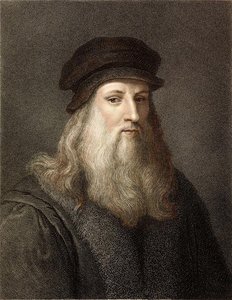
Descubre la maestría de Leonardo da Vinci en 'Cabeza de Hombre', un dibujo en carboncillo creado en 1503 que refleja la profunda comprensión del artista sobre la anatomía humana y las emociones.
 Ver más
Biografía del artista
¡Explora a Leonardo da Vinci (1452-1519): el genio del Renacimiento detrás de la Mona Lisa y La Última Cena! Descubre su técnica del sfumato, sus estudios anatómicos e invenciones innovadoras. #DaVinci #ArteRenacentista
§ 3Commentary
Leonardo da Vinci: A Masterpiece of Human Emotion
Leonardo da Vinci’s Head of a Man stands as an enduring symbol of Renaissance artistry—a deceptively simple chalk drawing that encapsulates the profound understanding of human anatomy and psychology possessed by one of history’s greatest minds. Executed in 1503 during his Milanese period, this artwork resides within the Gallerie dell'Accademia in Venice, Italy, offering visitors a glimpse into Da Vinci’s meticulous observation and artistic vision.
The Anatomical Precision of Observation
Da Vinci’s fascination with human anatomy extended far beyond mere scientific curiosity; it fueled his art. The Head of a Man exemplifies this dedication through its remarkably accurate depiction of facial musculature and bone structure—a testament to Da Vinci’s relentless pursuit of knowledge.
Technique and Composition: Mastering Chiaroscuro
Executed in chalk on paper, the drawing utilizes chiaroscuro – the dramatic interplay between light and dark – to sculpt form and imbue the portrait with emotional depth. Da Vinci skillfully employs subtle tonal variations to define contours and create a sense of volume, guiding the viewer’s gaze directly to the subject's intense stare. The blurred background serves as an elegant counterpoint, isolating the face and amplifying its expressive power.
A Window into Renaissance Thought
More than just a portrait, Head of a Man reflects the humanist ideals prevalent during the Renaissance—a belief in human dignity and potential—and underscores Da Vinci’s conviction that art could illuminate the complexities of human experience.
Relevance Beyond Time
Today, this drawing continues to inspire artists and scholars alike. Its masterful technique and profound psychological insight solidify its place as a cornerstone of Renaissance art history. Consider commissioning a high-quality reproduction from AllPaintingsStore.com to bring this iconic masterpiece into your home or workspace.
- Medium: Chalk
- Date: 1503
- Location: Gallerie dell'Accademia, Venice, Italy
For further exploration of Leonardo da Vinci’s artistic legacy, visit Painting by 'Leonardo Da Vinci' | Leonardo Da Vinci: Head of a Man and Leonardo da Vinci on Wikipedia.
Preguntas y respuestas
¿En qué año se creó "Cabeza de Hombre" de Leonardo da Vinci?
"Cabeza de Hombre" de Leonardo da Vinci fue creada en 1503.
¿Qué tan intensos son los colores en "Cabeza de Hombre" de Leonardo da Vinci?
"Cabeza de Hombre" de Leonardo da Vinci presenta una intensidad de color Vívido.
¿Para qué uso se recomienda "Cabeza de Hombre" de Leonardo da Vinci?
El uso sugerido para "Cabeza de Hombre" de Leonardo da Vinci es Acento cromático. También puede utilizarse con otros fines.


![Stanze Vaticane - La Disputa (detalle) [02] — Rafael, Alto Renacimiento](/media/artworks/images-thumb/55/c5/55c5db1a88764a9697fe9eb0ea9d43c9.jpg)


 Cambiar a impresiones


 Para obras de arte o reproducciones que midan más de 105 cm (aproximadamente 41 pulgadas) en cualquiera de sus lados, el marco se enviará como un kit desmontado. Este método garantiza una entrega segura y evita daños durante el transporte.