


 Vista previa
 Compartir
 Compartir
 Ver detalles

 Descargar
 Ver similares
 Radiografía
 Presentación de diapositivas
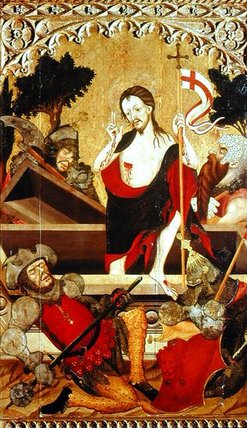
The Resurrection
 Leer más
Giclée / Impresión de arte
Impresiones giclée o en lienzo de calidad de museo con producción rápida y opciones de acabado flexibles. ( Cambiar a pintura hecha a mano Cambiar a imagen)




































Elija entre nuestros tamaños predefinidos que respetan las proporciones originales de la obra.

Puede introducir sus propias dimensiones para adaptarse a un marco o espacio específico. Si el tamaño seleccionado no coincide con las proporciones de la imagen original, recortaremos la obra de arte o extenderemos la imagen con un borde con efecto espejo o de color sólido. Se enviará una maqueta digital para su aprobación antes de que comience la producción.
Tenga en cuenta que la vista previa en pantalla no refleja el recorte o la extensión real. Solo la maqueta mostrará con precisión la composición final.
Aunque existen tamaños personalizados, recomendamos seleccionar una dimensión de la lista predefinida para preservar las proporciones originales.
Envío a todo el mundo () en 2 semanas en lugar de las 4/5 semanas estándar. (5 agosto)

Envío exprés gratuito a todo el mundo

Lienzo de lino de alta calidad

Seguro de envío completo

Garantía de reembolso de aranceles aduaneros

Garantía de fidelidad cromática exacta

Política de devolución de 60 días (solo por defectos)

Garantía de devolución del 100% del dinero

Oferta por volumen
 La opción de vidrio solo está disponible en tamaños inferiores a 110 cm.

The Resurrection
Giclée / Impresión de arte
Tamaño de la reproducción
-


Precio total
$ 64
Obras relacionadas


Biografía del artista
Lluís Borrassà: Pioneer of Catalan Gothic
Lluís Borrassà (c. 1375 – Barcelona, 1425) stands as a pivotal figure in Catalan art history, credited with establishing the International Gothic style within Catalonia—a movement that dramatically reshaped artistic expression during the fourteenth century. Born in Girona, he emerged from a period marked by royal patronage and burgeoning urban life, shaping his artistic vision through exposure to both medieval traditions and nascent Renaissance ideals. Early Life & Training: Precise biographical details remain scarce, yet Borrassà’s association with the Crown of Aragon suggests considerable social standing and access to artistic education. Girona, a thriving center for commerce and craftsmanship, fostered an environment conducive to artistic innovation. His formative years were spent within a family steeped in artistic heritage, where he received instruction from his father, Honorat Borrassà—a renowned painter himself—laying the groundwork for his future mastery of visual art. This familial connection undoubtedly instilled in him a deep appreciation for artistic excellence and fueled his ambition to pursue a distinguished creative career. The International Gothic Style: Borrassà’s contribution wasn't merely stylistic imitation; he skillfully blended elements of Northern European Gothic with Italian Renaissance influences—a daring fusion that resulted in artworks characterized by delicate ornamentation, luminous colors, and a profound psychological depth. This approach distinguished him from his contemporaries who adhered to more conservative artistic conventions. He embraced the expressive potential of color and texture, mirroring the humanist spirit emerging across Europe, yet retaining the solemn grandeur characteristic of Gothic architecture and iconography. His stylistic innovations signaled a decisive break from established traditions, propelling Catalan art toward a new horizon of aesthetic sophistication. Borrassà’s Artistic Output & Notable Commissions: Borrassà's artistic output is notable for its ambitious altarpiece commissions, particularly the monumental ‘Altarpiece Of The Virgin,’ executed for Santes Creus Abbey. This masterpiece exemplifies the style’s hallmark features: intricate drapery folds conveying movement and emotion, expressive faces capturing psychological nuance, and a masterful use of gold leaf to enhance visual splendor—a technique borrowed from Florentine artists like Lorenzo Ghiberti. It's considered one of the finest examples of Catalan Gothic art and stands as a testament to Borrassà’s artistic prowess and his ability to translate theological concepts into breathtaking visual narratives. Beyond Santes Creus, he produced several other significant paintings, including ‘Jewish Barcelonians,’ which showcases his ability to depict complex narratives with nuanced detail and symbolic resonance—reflecting the intellectual curiosity of the era and engaging viewers in contemplation of moral dilemmas. Furthermore, 'St. Dominic's Rescue,' a captivating depiction of Saint Dominic’s miraculous deliverance from danger, exemplifies the artist’s meticulous technique and conveys a palpable sense of urgency and faith. Legacy & Influence: Borrassà’s influence extended beyond Catalonia, inspiring artists across Europe who embraced the International Gothic aesthetic. His legacy resides not only in his individual artworks but also in his role as a catalyst for artistic transformation—a testament to his enduring contribution to medieval art and its transition into the Renaissance. He established a workshop that became Barcelona's largest until 1420, nurturing talent and disseminating stylistic innovations throughout Catalonia. Lluís Borrassà remains an icon of Catalan Gothic art, securing his place in the annals of European artistic history as one of the foremost innovators of his time.
Lluís Borrassà
1375 - 1425 , España
Datos clave
- Artistic Movement Or Style: International Gothic
- Date Of Birth: Girona, Spain (1375)
- Date Of Death: Barcelona, 1425
- Full Name: lluís borrassa
- Nationality: Catalan
- Notable Artworks:
- St. Dominic's Rescue
- Virgin Mary With Her Classmates Showing Needlework
- Jewish Barcelonians
- Altarpiece Of The Virgin
- Place Of Birth: Girona



