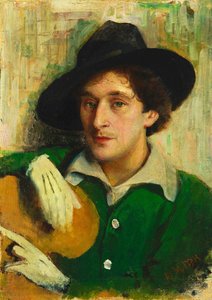
1961. , 23.0 x 31.0 cm.

§ 1Catalogue data

- 23.0 x 31.0 cm


Esta obra está protegida por derechos de autor
La obra de arte que se muestra en esta página está protegida por las leyes de propiedad intelectual, lo que significa que no podemos crear ni vender legalmente una reproducción idéntica. Esta protección se hace cumplir en virtud de acuerdos internacionales como el Convenio de Berna y por las leyes nacionales, incluidas aquellas establecidas por el Ley de derechos de autor de los EE. UU. - Título 17.
Como una alternativa respetuosa y legal, ofrecemos obras de arte personalizadas y pintadas a mano inspiradas en la original. Nuestros expertos y profesionales del arte estudian cuidadosamente el estilo, el sentimiento y la esencia artística de la obra original para crear una pieza nueva y única que evoque la misma sensación, siendo al mismo tiempo una creación original por derecho propio.
Este método cumple plenamente con las normativas de derechos de autor, ya que no implica la copia ni la duplicación de la obra protegida. En su lugar, se trata de una reinterpretación creativa: una nueva pintura influenciada por la original, pero que no es idéntica a ella.
 Leer más información
§ 2Abstract
Descripción del objeto
Dive into Chagall’s surreal Paradise (9), a mesmerizing depiction of floating figures and vibrant birds against a dreamy blue backdrop—a testament to his distinctive style and the golden age of art deco.
Biografía del artista
Descubre a Marc Chagall (1887-1985): artista ruso-francés famoso por sus vibrantes pinturas cubistas y simbolistas, temas del folclore judío y impresionantes vidrieras. ¡Explora su legado! #MarcChagall
§ 3Commentary
A Symphony of Dreams: Exploring Marc Chagall’s Paradise (9)
The painting “Paradise” (9), created by the celebrated Belarusian-born artist Marc Chagall in 1961, transcends mere representation; it embodies a profound exploration of memory, faith, and the boundless realm of imagination. More than just a visual spectacle, this artwork speaks to the viewer on an emotional level, inviting contemplation about universal themes of innocence, longing, and spiritual aspiration.- Subject Matter: Chagall’s vision centers around a fantastical depiction of paradise—a vibrant tableau populated by figures engaged in joyous activity amidst swirling blues and yellows. The scene evokes biblical imagery, specifically referencing the Garden of Eden, yet Chagall reimagines it through his distinctive lens of surrealism.
- Style: Chagall’s signature style is instantly recognizable for its dreamlike quality and lyrical distortion. He employs flattened perspectives, exaggerated proportions, and fantastical imagery—elements that prioritize emotional expression over strict realism. This stylistic choice aligns perfectly with the broader movement of Surrealism, which sought to liberate art from rational constraints.
Technique: Color as Emotion
Chagall’s masterful use of color is central to conveying the painting's emotive power. He predominantly utilizes shades of blue—ranging from cerulean to indigo—to establish a serene yet restless atmosphere. These blues are juxtaposed with bursts of yellow and orange, symbolizing warmth, optimism, and divine illumination. The artist achieves remarkable luminosity through layering thin washes of pigment, creating an ethereal effect that captures the fleeting beauty of recollection. Furthermore, Chagall’s technique incorporates elements of folk art—particularly Belarusian traditions—evident in simplified forms and bold outlines.- Material: The painting is executed on canvas using oil paints, a medium favored by Chagall for its ability to produce rich colors and textural nuances.
- Brushwork: Chagall’s brushstrokes are loose and expressive, conveying movement and spontaneity. They contribute significantly to the overall dreamlike quality of the artwork.
Historical Context & Symbolism
“Paradise” (9) emerged during a period marked by significant artistic experimentation and intellectual ferment—the height of Surrealist influence. Chagall’s work reflects the anxieties and aspirations of his time, grappling with themes of displacement, faith, and the enduring power of childhood memories. Recurring motifs within the painting – including flying figures representing spiritual ascension, birds symbolizing freedom and hope, and a dog embodying loyalty – are laden with symbolic significance rooted in Jewish folklore and Chagall’s personal experiences. The depiction of multiple individuals engaged in communal celebration underscores the importance of community and tradition.Emotional Impact & Artistic Legacy
Ultimately, “Paradise” (9) succeeds in transporting the viewer to a realm beyond rational comprehension—a space where dreams intertwine with reality and emotion reigns supreme. Chagall’s ability to capture the essence of human experience through stylized imagery has cemented his place as one of the most influential artists of the 20th century. This artwork continues to resonate with audiences today, serving as an enduring testament to the transformative potential of art and its capacity to evoke profound feelings of wonder and nostalgia.Preguntas y respuestas
¿Qué temas aparecen en "Paradise (9)" de Marc Chagall?
Los temas presentes en "Paradise (9)" de Marc Chagall incluyen fantasy landscape, biblical imagery, flying figures, jewish folklore, dreamlike atmosphere, colorful birds, symbolic composition, los cuales resumen la temática de la obra.
¿Dónde puedo descargar "Paradise (9)" de Marc Chagall?
Puede descargar la imagen de "Paradise (9)" de Marc Chagall en la página de Descargar imagen digital de la obra: descarga de una imagen digital en alta resolución.
¿"Paradise (9)" de Marc Chagall utiliza contrastes fuertes o armonías suaves?
La composición cromática de "Paradise (9)" de Marc Chagall combina un contraste Balanced con una armonía Strong Color Unity.


 Cambiar a impresiones


 Para obras de arte o reproducciones que midan más de 105 cm (aproximadamente 41 pulgadas) en cualquiera de sus lados, el marco se enviará como un kit desmontado. Este método garantiza una entrega segura y evita daños durante el transporte.