Compartir
 Compartir
 Ver detalles

 Descargar
 Ver similares
 Presentación de diapositivas
Rotoreliefs


 Leer más
Giclée / Impresión de arte
Impresiones giclée o en lienzo de calidad de museo con producción rápida y opciones de acabado flexibles. ( Encargar reproducción pintada a mano Comprar descarga)




































Elija entre nuestros tamaños predefinidos que respetan las proporciones originales de la obra.

Puede introducir sus propias dimensiones para adaptarse a un marco o espacio específico. Si el tamaño seleccionado no coincide con las proporciones de la imagen original, recortaremos la obra de arte o extenderemos la imagen con un borde con efecto espejo o de color sólido. Se enviará una maqueta digital para su aprobación antes de que comience la producción.
Tenga en cuenta que la vista previa en pantalla no refleja el recorte o la extensión real. Solo la maqueta mostrará con precisión la composición final.
Aunque existen tamaños personalizados, recomendamos seleccionar una dimensión de la lista predefinida para preservar las proporciones originales.
Envío a todo el mundo () en 2 semanas en lugar de las 4/5 semanas estándar. (19 agosto)

Envío exprés gratuito a todo el mundo

Lienzo de lino de alta calidad

Seguro de envío completo

Garantía de reembolso de aranceles aduaneros

Garantía de fidelidad cromática exacta

Política de devolución de 60 días (solo por defectos)

Garantía de devolución del 100% del dinero

Oferta por volumen
 La opción de vidrio solo está disponible en tamaños inferiores a 110 cm.

Rotoreliefs
Giclée / Impresión de arte
Tamaño de la reproducción
-


Precio total
$ 64
Descripción de la pieza
A Study in Controlled Chaos: Exploring Duchamp’s Rotoreliefs
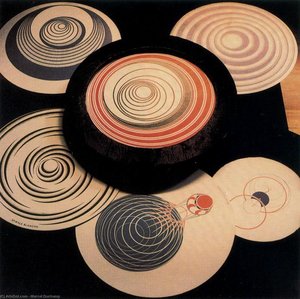
Marcel Duchamp's Rotoreliefs represent a radical departure from traditional artistic representation, embodying the core tenets of Dada and challenging the very definition of art itself. These kinetic sculptures, rarely seen in their original form, are not merely static objects but rather portals to a disorienting, almost hallucinatory experience. The photograph presented here offers a glimpse into the meticulously crafted foundation of these works – six precisely arranged plates, each a microcosm of Duchamp’s conceptual explorations.
The Genesis of Movement
Duchamp conceived the Rotoreliefs in 1935, during a period marked by profound social and political upheaval. The rise of totalitarian regimes, coupled with the devastation of World War I, fueled a widespread disillusionment with established values and artistic conventions. Responding to this climate, Duchamp sought to dismantle traditional notions of beauty and skill through mechanical reproduction. He began with a series of small, hand-painted plates depicting simple geometric forms – circles, spirals, and crosses – which he then meticulously reproduced using a photographic process. This process was key; the photographs served as templates for mass production, highlighting the inherent artificiality of art.
- Technique: The original Rotoreliefs were constructed by applying layers of lacquer to these photographic plates, creating a glossy surface that reflected light and intensified the visual impact.
- Scale: These plates were mounted on rotating mechanisms, allowing viewers to experience them in motion – a deliberate disruption of the viewer’s expectations.
- Repetition: The repetition of the same image across multiple plates created a mesmerizing effect, blurring the lines between individual objects and generating a sense of disorientation.
Symbolism and Conceptual Layers
While seemingly simple in their design, the Rotoreliefs are laden with symbolic meaning. The circles and spirals, recurring motifs throughout Duchamp’s work, represent infinity, chaos, and the subconscious mind – themes central to Dadaist thought. The deliberate use of color—three blues, one red, and two whites—adds another layer of complexity. These colors were not chosen for their aesthetic qualities but rather as arbitrary selections, further emphasizing the conceptual nature of the artwork. Duchamp famously stated that he was interested in “the idea” behind the work, rather than its visual appearance.
A Reflection of Modern Anxiety
The Rotoreliefs can be interpreted as a reflection of the anxieties and uncertainties of the modern age. The disorienting effect of the rotating plates mirrors the feeling of being overwhelmed by information and the breakdown of traditional structures. Duchamp’s work anticipates later developments in art, such as Pop Art and Conceptual Art, which similarly challenged conventional notions of artistic skill and representation. These works are a testament to Duchamp's genius – his ability to provoke thought, disrupt expectations, and redefine the boundaries of art.
Recreating the Experience: High-Quality Reproductions
AllPaintingsStore offers meticulously crafted hand-painted reproductions of Marcel Duchamp’s Rotoreliefs, capturing the essence of these iconic works. Utilizing traditional painting techniques and archival quality materials, our artists recreate the glossy surface and mesmerizing movement of the original plates. Each reproduction is a unique piece of art, embodying Duchamp's revolutionary spirit and offering a tangible connection to one of the most influential figures in 20th-century art. Bring this challenging and evocative artwork into your home or office – a conversation starter and a powerful statement about the nature of art itself.
Obras relacionadas



Biografía del artista
vida temprana y comienzos artísticos
marcel duchamp, un pintor, escultor, jugador de ajedrez y escritor francés-estadounidense, nació el 28 de julio de 1887 en Blainville-Crevon, Normandía, Francia. Su familia, conocida por sus inclinaciones culturales, fomentó su temprano interés por el arte. El viaje artístico de Duchamp comenzó con estilos postimpresionistas, experimentando con técnicas y temas clásicos.evolución artística y obras notables
- La obra de marcel duchamp está asociada con el cubismo, el arte conceptual y el dadaísmo, aunque fue cauteloso sobre su uso del término dada.
- Una de sus obras más famosas, Fountain (1917), una urinaria firmada 'r. mutt', es un ejemplo de sus readymades, desafiando la noción de lo que constituye el arte.
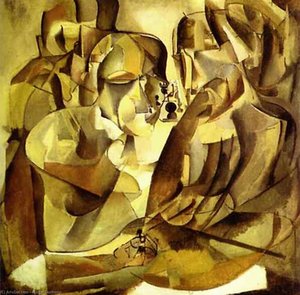
- Retrato de jugadores de ajedrez (1911), una obra cubista, muestra su interés por el juego y sus aspectos estratégicos.
- A ser mirado (desde el otro lado del vidrio) con un ojo, cerca de, casi una hora (1945) es otra obra notable, que refleja sus inclinaciones dadaístas.
influencia y legado
El impacto de Duchamp en el arte del siglo XX es inmenso. Él, junto con Pablo Picasso y Henri Matisse, definió las artes plásticas a principios del siglo XX. Su enfoque conceptual del arte ha influido en generaciones de artistas.- Explore más obras de Duchamp en AllPaintingsStore: Marcel Duchamp | obras de arte
- Descubra el Museo Ohara de Arte, Japón, que presenta colecciones de arte occidental, incluidas algunas influenciadas por el estilo de Duchamp: Museo Ohara de Arte, Japón
- Aprenda más sobre Lettrism, un movimiento influenciado por el dadaísmo y el surrealismo, del que Duchamp formó parte: Movimiento artístico Lettrism
conclusión
El enigmático enfoque de arte de Marcel Duchamp, que combina elementos conceptuales y dadaístas, ha dejado una marca indeleble en el mundo del arte. Su legado continúa inspirando a los artistas e influyendo en el desarrollo del arte moderno y contemporáneo. Franck Scurti, un artista francés conocido por su arte conceptual, sigue los pasos de Duchamp, ampliando el legado de este pionero artista.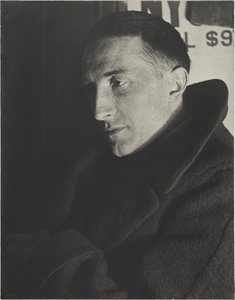
Marcel Duchamp
1887 - 1968 , Francia
Datos clave
- Artistas Influenciados Por: ['Franck Scurti']
- Fecha De Muerte: 1968
- Fecha De Nacimiento: 28 de julio de 1887
- Lugar De Nacimiento: Blainville-sur-Mer, Francia
- Movimiento Artístico:
- Cubismo
- Dadaísmo
- Arte conceptual
- Nacionalidad: Francesa-estadounidense
- Nombre Completo: Marcel Duchamp
- Obras Notables:
- Fuente
- Retrato de jugadores de ajedrez
- La novia desnudada
- L.H.O.O.Q.
- Boîte-en-valise
Artículos relacionados

AllPaintingsStore.com F.A.Q.: Premium Poster Prints – Vivid Colors & Versatile Sizing for Modern Decor
Discover AllPaintingsStore.com's premium poster prints. Featuring 12-color archival pigments and versatile sizing, our museum-grade reproductions offer vivid colors and unmatched quality for sophisticated modern decor. Elevate your space with professional art solutions.