- Inicio

- Impresión en lienzo
- Marcel Duchamp
- Torture-morte

 Compartir
 Compartir
 Ver detalles

 Descargar
 Ver similares
 Presentación automática
Torture-morte


 Leer más
Giclée / Impresión de arte
Impresiones giclée o en lienzo de calidad de museo con producción rápida y opciones de acabado flexibles. ( Cambiar a pintura hecha a mano Cambiar a imagen)




































Elija entre nuestros tamaños predefinidos que respetan las proporciones originales de la obra.

Puede introducir sus propias dimensiones para adaptarse a un marco o espacio específico. Si el tamaño seleccionado no coincide con las proporciones de la imagen original, recortaremos la obra de arte o extenderemos la imagen con un borde con efecto espejo o de color sólido. Se enviará una maqueta digital para su aprobación antes de que comience la producción.
Tenga en cuenta que la vista previa en pantalla no refleja el recorte o la extensión real. Solo la maqueta mostrará con precisión la composición final.
Aunque existen tamaños personalizados, recomendamos seleccionar una dimensión de la lista predefinida para preservar las proporciones originales.
Envío a todo el mundo () en 2 semanas en lugar de las 4/5 semanas estándar. (1 agosto)

Envío exprés gratuito a todo el mundo

Lienzo de lino de alta calidad

Seguro de envío completo

Garantía de reembolso de aranceles aduaneros

Garantía de fidelidad cromática exacta

Política de devolución de 60 días (solo por defectos)

Garantía de devolución del 100% del dinero

Oferta por volumen
 La opción de vidrio solo está disponible en tamaños inferiores a 110 cm.

Torture-morte
Giclée / Impresión de arte
Tamaño de la reproducción
-


Precio total
$ 64
Detalles de la pieza
A Frozen Moment of Decay: Exploring Duchamp's *Torture-morte*
Marcel Duchamp’s Torture-morte (1917) is not merely a photograph; it’s an unsettling meditation on mortality, decay, and the very definition of art itself. Captured by Man Ray, this stark black and white image depicts a human foot, meticulously arranged within a box, swarming with insects – primarily ants, but also beetles and other unidentified arthropods. The scene is brutally honest, devoid of romanticism or idealized beauty, presenting instead a visceral confrontation with the inevitability of decomposition. This seemingly simple composition immediately challenges the viewer’s expectations, forcing an uncomfortable engagement with themes of death, corruption, and the transient nature of existence.
Dadaist Roots and Conceptual Innovation
Created during Duchamp's time within the Dada movement, Torture-morte embodies the group’s core tenets: a rejection of traditional artistic values and a deliberate provocation of societal norms. Dada artists sought to dismantle established hierarchies and expose the absurdity of bourgeois culture. Duchamp, along with Man Ray, embraced chance and accident as creative tools, often photographing seemingly random occurrences. This photograph exemplifies this approach; it’s not a carefully constructed still life intended to represent something beautiful or meaningful, but rather an accidental discovery transformed into a potent artistic statement. The image's genesis is shrouded in anecdote – Man Ray reportedly snapped the picture while attempting to capture a cockroach, and the foot was purportedly that of Duchamp himself. This element of chance adds another layer of complexity to the work’s meaning.
Technique and Composition: A Study in Contrast
The technical execution is deceptively simple yet profoundly effective. Man Ray utilized a relatively primitive camera at the time, resulting in a sharp, almost clinical image that amplifies the horror of the scene. The stark contrast between the pale flesh of the foot and the dark shadows within the box creates a dramatic tension, drawing the viewer’s eye to the overwhelming presence of the insects. The composition itself is deliberately unsettling; the foot, presented in an unnatural state, becomes a symbol of vulnerability and decay. The arrangement of the insects – their deliberate clustering around the foot – suggests a relentless process of consumption, mirroring the destructive forces of time.
Symbolism and Emotional Impact
Beyond its Dadaist origins, Torture-morte resonates with deeper symbolic meanings. The foot, as a symbol of mortality and earthly existence, is subjected to the ravages of nature – represented by the insects. This imagery evokes a sense of anxiety and dread, confronting viewers with their own vulnerability and the ultimate fate of all living things. The title itself, “Torture-morte,” further intensifies this emotional impact, suggesting a prolonged and agonizing process of decay. The photograph’s power lies in its ability to bypass rational thought and tap into primal fears, making it a profoundly disturbing yet undeniably captivating work of art.
A Reproduction for the Connoisseur
AllPaintingsStore offers a meticulously crafted hand-painted reproduction of Torture-morte, capturing every detail of Man Ray’s original photograph with exceptional fidelity. Utilizing archival quality materials and employing skilled artists who understand Duchamp's intent, this reproduction ensures that you possess an authentic representation of this iconic work. Perfect for collectors seeking a piece of Dadaist history or interior designers aiming to inject a dose of provocative beauty into their spaces, this reproduction is more than just an image; it’s an experience – a frozen moment of decay that continues to challenge and disturb us over a century later.
Obras relacionadas


Biografía del artista
vida temprana y comienzos artísticos
marcel duchamp, un pintor, escultor, jugador de ajedrez y escritor francés-estadounidense, nació el 28 de julio de 1887 en Blainville-Crevon, Normandía, Francia. Su familia, conocida por sus inclinaciones culturales, fomentó su temprano interés por el arte. El viaje artístico de Duchamp comenzó con estilos postimpresionistas, experimentando con técnicas y temas clásicos.evolución artística y obras notables
- La obra de marcel duchamp está asociada con el cubismo, el arte conceptual y el dadaísmo, aunque fue cauteloso sobre su uso del término dada.
- Una de sus obras más famosas, Fountain (1917), una urinaria firmada 'r. mutt', es un ejemplo de sus readymades, desafiando la noción de lo que constituye el arte.
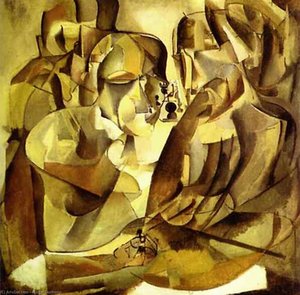
- Retrato de jugadores de ajedrez (1911), una obra cubista, muestra su interés por el juego y sus aspectos estratégicos.
- A ser mirado (desde el otro lado del vidrio) con un ojo, cerca de, casi una hora (1945) es otra obra notable, que refleja sus inclinaciones dadaístas.
influencia y legado
El impacto de Duchamp en el arte del siglo XX es inmenso. Él, junto con Pablo Picasso y Henri Matisse, definió las artes plásticas a principios del siglo XX. Su enfoque conceptual del arte ha influido en generaciones de artistas.- Explore más obras de Duchamp en AllPaintingsStore: Marcel Duchamp | obras de arte
- Descubra el Museo Ohara de Arte, Japón, que presenta colecciones de arte occidental, incluidas algunas influenciadas por el estilo de Duchamp: Museo Ohara de Arte, Japón
- Aprenda más sobre Lettrism, un movimiento influenciado por el dadaísmo y el surrealismo, del que Duchamp formó parte: Movimiento artístico Lettrism
conclusión
El enigmático enfoque de arte de Marcel Duchamp, que combina elementos conceptuales y dadaístas, ha dejado una marca indeleble en el mundo del arte. Su legado continúa inspirando a los artistas e influyendo en el desarrollo del arte moderno y contemporáneo. Franck Scurti, un artista francés conocido por su arte conceptual, sigue los pasos de Duchamp, ampliando el legado de este pionero artista.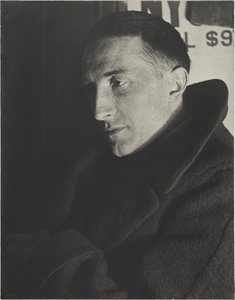
Marcel Duchamp
1887 - 1968 , Francia
Datos clave
- Artistas Influenciados Por: ['Franck Scurti']
- Fecha De Muerte: 1968
- Fecha De Nacimiento: 28 de julio de 1887
- Lugar De Nacimiento: Blainville-sur-Mer, Francia
- Movimiento Artístico:
- Cubismo
- Dadaísmo
- Arte conceptual
- Nacionalidad: Francesa-estadounidense
- Nombre Completo: Marcel Duchamp
- Obras Notables:
- Fuente
- Retrato de jugadores de ajedrez
- La novia desnudada
- L.H.O.O.Q.
- Boîte-en-valise
Artículos relacionados
La Elegancia del Blanco y Negro: Transformando Fotografías en Obras de Arte Clásicas Atemporales
Transforme sus fotos en obras de arte clásicas con AllPaintingsStore. Reproducciones artesanales de alta calidad, retratos personalizados y un legado visual atemporal. Confíe en nuestros artistas expertos para crear una pieza única e inolvidable.

Minimalismo en el Arte: 10 Obras Maestras para Decorar con Elegancia
Descubre 10 obras maestras del arte minimalista: Mondrian, Rothko y más. Explora la historia, técnica y el impacto de estos lienzos abstractos perfectos para una decoración serena y elegante. Encuentra reproducciones de alta calidad en AllPaintingsStore.com.

Dadá: La Revolución Antiartística del Siglo XX y su Legado Estético
Descubra el dadaísmo: su origen radical, artistas clave como Arp y Richter, y su impacto en el arte moderno. Análisis experto de este movimiento revolucionario y su legado estético.
Las 10 Grabados Legendarios que Revolucionaron el Arte | AllPaintingsStore
Descubre los 10 grabados legendarios que transformaron la historia del arte. Explora las obras maestras de Rembrandt, Goya y Dürer. Encuentra reproducciones de alta calidad e inspírate para decorar tu hogar con arte clásico en AllPaintingsStore.com.

10 Obras de Arte que Irradian Serenidad |
Descubre 10 obras de arte que evocan serenidad y paz interior. Explora la historia detrás de Monet, Van Gogh y otros maestros. Encuentra reproducciones de alta calidad para crear un ambiente tranquilo en tu hogar. ¡Explora la colección completa en !