Vista previa
 Compartir
 Compartir
 Ver detalles

 Descargar
 Ver similares
 Radiografía
 Presentación de diapositivas
No. 7


 Leer más
Giclée / Impresión de arte
Impresiones giclée o en lienzo de calidad de museo con producción rápida y opciones de acabado flexibles. ( Encargar reproducción pintada a mano Comprar descarga)




P118B $10

P118H $10

P118W $10

P438Z $10

P508JH $12

P508YH $12

P805H $10

P805Z $10

P919BZ $10

P919G $10

P919XJ $10

P959ZH $10

P968JZ $12

W106C $8

W218G $10

W218JH $8

W218Y $10

W307PJ $10

W316G $10

W316PJ $8

W316Y $10

W398PJ $8

W4111J $10

W500HY $15

W500JH $15

W692G $12

W849H $8

W940BG $15

W953PJ $8




Elija entre nuestros tamaños predefinidos que respetan las proporciones originales de la obra.

Puede introducir sus propias dimensiones para adaptarse a un marco o espacio específico. Si el tamaño seleccionado no coincide con las proporciones de la imagen original, recortaremos la obra de arte o extenderemos la imagen con un borde con efecto espejo o de color sólido. Se enviará una maqueta digital para su aprobación antes de que comience la producción.
Tenga en cuenta que la vista previa en pantalla no refleja el recorte o la extensión real. Solo la maqueta mostrará con precisión la composición final.
Aunque existen tamaños personalizados, recomendamos seleccionar una dimensión de la lista predefinida para preservar las proporciones originales.
Envío a todo el mundo () en 2 semanas en lugar de las 4/5 semanas estándar. (15 agosto)

Envío exprés gratuito a todo el mundo

Lienzo de lino de alta calidad

Seguro de envío completo

Garantía de reembolso de aranceles aduaneros

Garantía de fidelidad cromática exacta

Política de devolución de 60 días (solo por defectos)

Garantía de devolución del 100% del dinero

Oferta por volumen
 La opción de vidrio solo está disponible en tamaños inferiores a 110 cm.

No. 7
Giclée / Impresión de arte
Tamaño de la reproducción
-


Precio total
$ 64
Descripción de la pieza
Mark Rothko’s ‘No. 7’: A Descent into Quietude
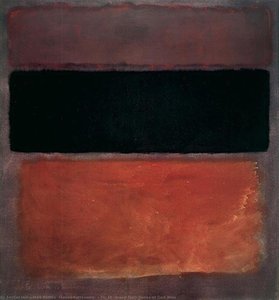
Mark Rothko's “No. 7,” painted in 1964, isn't merely a canvas adorned with color; it’s an invitation to a profoundly personal and contemplative experience. This monumental work, executed in oil on canvas, exemplifies the core tenets of Rothko’s Color Field aesthetic – a deliberate rejection of representational imagery in favor of pure emotional expression. The painting immediately commands attention with its dominance of deep charcoal gray and black hues, colors that evoke a sense of solemnity and introspection, mirroring the artist's own struggles with existential themes.
Rothko’s genius lay in his ability to manipulate color not as decorative elements but as vehicles for raw emotion. The rectangular field, nearly filling the canvas, creates an immersive environment, drawing the viewer into a space devoid of distraction. There are no sharp edges or defined boundaries; instead, the colors subtly bleed and shift, suggesting layers of pigment applied with painstaking care – a technique that contributes to the painting’s almost tactile quality. Close inspection reveals subtle textural variations, likely born from multiple washes of oil paint, adding another layer of complexity to this deceptively simple composition.
The Rothko Chapel Context: A Space for Reflection
Understanding “No. 7” requires acknowledging its genesis within the Rothko Chapel in Houston, Texas – a space meticulously designed by the artist himself. Commissioned by John and Dominique de Menil, the chapel was conceived as a sanctuary dedicated to contemplation and spiritual exploration. Rothko’s fourteen murals within the chapel were intended not as decorative pieces but as integral components of this meditative environment. The Chapel's architecture—an octagon inscribed in a Greek cross—and its design were largely influenced by Rothko himself, reflecting his desire to create a space that bypassed rational thought and engaged directly with emotion.
The chapel’s purpose extended beyond mere religious observance; it became a center for international colloquiums focused on issues of human rights and social justice. This commitment to using art as a catalyst for dialogue is powerfully reflected in “No. 7,” suggesting a yearning for understanding and connection amidst the darkness.
Decoding the Symbolism: Melancholy and Yearning
The absence of recognizable imagery within "No. 7" is deliberate, serving to amplify its emotional impact. The dominant dark colors – charcoal gray and black – are often interpreted as representing feelings of melancholy, solitude, or even spiritual yearning. Rothko himself frequently stated that he sought to evoke a sense of “panic” in the viewer, not through overt horror but through a subtle suggestion of profound unease. The painting’s lack of defined form encourages viewers to project their own emotions and experiences onto the canvas, creating a deeply personal encounter.
Furthermore, the painting's scale – large and imposing – contributes to its emotional weight, enveloping the viewer in its somber atmosphere. It is a work that demands attention, inviting prolonged contemplation and a willingness to confront difficult emotions. The subtle gradations of tone across the surface suggest a constant flux, mirroring the ever-shifting nature of human experience.
A Legacy of Color: Rothko’s Enduring Influence
"No. 7" stands as a pivotal work in Mark Rothko's oeuvre and a cornerstone of Abstract Expressionism. Its influence can be seen in countless subsequent artists who sought to harness the power of color for emotional expression. The painting’s enduring appeal lies not just in its technical mastery but in its profound ability to connect with viewers on a deeply visceral level. It is a testament to Rothko's belief that art could transcend the purely visual and become a conduit for universal human emotions – a legacy that continues to resonate powerfully today.
Obras relacionadas


Biografía del artista
vida temprana e influencias
Mark Rothko (Marcus Rothkowitz), un reconocido artista estadounidense, nació el 25 de septiembre de 1903 en Dvinsk, Letonia. Su familia emigró a los Estados Unidos cuando tenía solo diez años. Este cambio cultural influyó más tarde en su estilo artístico.evolución artística
La obra temprana de Rothko se caracterizó por el **expresionismo abstracto**, un estilo que enfatizaba el proceso de creación del arte más que el producto final. Sus pinturas, como No. 18 (1948) y Untitled (1948), mostraban su enfoque único del color y la forma.- **Campo de color:** El uso de campos de color rectangulares audaces por Rothko, a menudo en marcado contraste entre sí, creó una sensación de profundidad y emoción.
- **Estructura orgánica:** Sus pinturas parecían respirar vida, como si los colores fueran entidades vivientes.
obras notables y exposiciones
- No. 10 (1950), una pintura que marcó un cambio significativo en el estilo de Rothko, ahora forma parte de la colección del Museo de Arte Moderno.
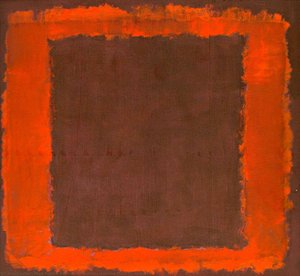
- Las murales de Seagram, una serie de pinturas encargadas para el restaurante Four Seasons, mostraron la capacidad de Rothko para adaptar su estilo a diferentes entornos.
- No. 3 (1950), una pintura que ejemplifica el uso de campos de color rectangulares audaces por Rothko.
vida tardía y legado
La vida de Rothko estuvo marcada por las luchas con la salud mental y un matrimonio tumultuoso. Falleció el 25 de febrero de 1970, a los 66 años. A pesar de sus desafíos, Rothko dejó una huella imborrable en el mundo del arte. Ocre y rojo sobre rojo (campo de color), una pintura que muestra el enfoque único del color de Rothko, se puede encontrar en la colección AllPaintingsStore.com. La página de Wikipedia de Mark Rothko proporciona más información sobre su vida y estilo artístico.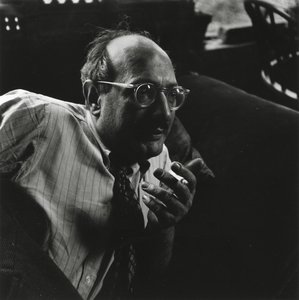
Mark Rothko
1903 - 1970 , Letonia
Datos clave
- Artistas Que Influyeron:
- Edward Hopper
- Pablo Picasso
- Fecha De Muerte: 25 de febrero de 1970
- Fecha De Nacimiento: 25 de septiembre de 1903
- Influencia En Artistas:
- Minimalismo
- Arte contemporáneo
- Lugar De Nacimiento: Daugavpils, Letonia
- Movimiento Artístico: Expresionismo Abstracto
- Nacionalidad: Estadounidense
- Nombre Completo: Mark Rothko (Marcus Rothkowitz)
- Obras Notables:
- No. 18 (1948)
- No. 10 (1950)
- Murales Seagram
- No. 3 (1950)
Artículos relacionados
Más Allá de la Representación: Explorando el Paisaje Emocional del Expresionismo Abstracto
Descubra el Expresionismo Abstracto en profundidad. Análisis de artistas clave como Rothko y Richter, su contexto histórico e inversión en arte. Guía experta para coleccionistas.

The Sublimity of Color: Exploring the Emotional Landscapes of Mark Rothko's Abstract Expressionism
Explore the profound emotional depth of Mark Rothko's abstract expressionism. Discover the history, techniques & lasting impact of this pivotal Color Field painter. Expert insights for collectors and art enthusiasts.

Más Allá de la Representación: Descifrando Emoción y Significado en el Arte Abstracto Moderno
Descubre el fascinante mundo del Expresionismo Abstracto. Análisis experto, historia, artistas clave y guías para coleccionar arte moderno. ¡Encuentra tu obra maestra en AllPaintingsStore!

Paul Jenkins: Abstraction, Color Field Painting & the Pursuit of Lyrical Expression
Explore the captivating world of Paul Jenkins, a pioneer of abstract expressionism & color field painting. Discover his unique ‘Phenomena’ series and investment potential for art collectors. Expert insights at AllPaintingsStore.

Henry Wolf: A Legacy of Abstract Expressionism & Emotional Resonance in Post-War Art
Explore the profound legacy of Henry Wolf, a pivotal figure in Abstract Expressionism and post-war visual culture. Discover his impact on graphic design, photography, and art collecting with AllPaintingsStore.