- Inicio

- Impresión en lienzo
- Mark Rothko
- The Omen

 Preview
 Encargar reproducción Comprar imagen en alta resolución
 Enviar
 Compartir
 Detalles
 Añadir a favoritos

 Descargar
 Similares
 Radiografía
 Presentación de diapositivas
The Omen


 Ver más
Giclée / Impresión de arte
Impresión giclée o en lienzo de calidad de museo con producción rápida y opciones de acabado flexibles.




P118B $10

P118H $10

P118W $10

P438Z $10

P508JH $12

P508YH $12

P805H $10

P805Z $10

P919BZ $10

P919G $10

P919XJ $10

P959ZH $10

P968JZ $12

W106C $8

W218G $10

W218JH $8

W218Y $10

W307PJ $10

W316G $10

W316PJ $8

W316Y $10

W398PJ $8

W4111J $10

W500HY $15

W500JH $15

W692G $12

W849H $8

W940BG $15

W953PJ $8




Elija entre nuestros tamaños predefinidos que respetan las proporciones originales de la obra.

Puede introducir sus propias dimensiones para adaptarse a un marco o espacio específico. Si el tamaño seleccionado no coincide con las proporciones de la imagen original, recortaremos la obra de arte o extenderemos la imagen con un borde con efecto espejo o de color sólido. Se enviará una maqueta digital para su aprobación antes de que comience la producción.
Tenga en cuenta que la vista previa en pantalla no refleja el recorte o la extensión real. Solo la maqueta mostrará con precisión la composición final.
Aunque existen tamaños personalizados, recomendamos seleccionar una dimensión de la lista predefinida para preservar las proporciones originales.
Entrega mundial () en 2 semanas en lugar de las 4/5 semanas estándar. (26 julio)

Envío exprés gratuito a todo el mundo

Lienzo de lino de alta calidad

Seguro de envío total

Garantía de reembolso de impuestos aduaneros

Garantía de fidelidad de color

Política de devolución de 60 días (solo por defectos)

Garantía de devolución del 100% del dinero

Descuento por pedido múltiple
 La opción de vidrio solo está disponible en tamaños inferiores a 110 cm.

The Omen
Giclée / Impresión de arte
Tamaño de la reproducción
-


Precio total final
-
Descripción de la obra
Mark Rothko’s ‘The Omen’: A Dialogue with Grief and Eternity
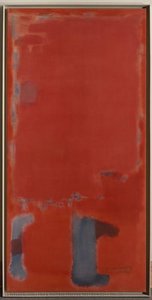
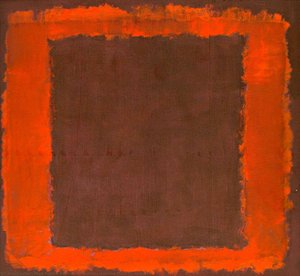
Mark Rothko's “The Omen,” a striking example of his mature abstract expressionist style, isn’t merely a painting; it’s an immersion into the profound anxieties of the 20th century. Produced as part of a Taschen portfolio in 2003, this work – rendered on thick white card and measuring 21x33cm with a print size of 28x36.5cm – immediately commands attention with its bold juxtaposition of blue and red. It’s a piece that invites contemplation, demanding a response beyond simple aesthetic appreciation.
The Language of Color: Blocks and Resonance
Rothko's technique is characterized by the layering of translucent color fields—in this case, a dominant, deep blue punctuated by sharply defined crimson triangles. These aren’t haphazard splashes; they are meticulously constructed blocks of pigment, applied in thin washes that bleed into one another, creating an ethereal quality. The deliberate flatness of the surface, a hallmark of his style, forces the viewer to confront the colors directly, without the distraction of traditional perspective or representational imagery. This technique, developed over years of experimentation, aimed to evoke primal emotions and spiritual experiences through pure color relationships. The triangles themselves, often interpreted as symbols of sacrifice or even religious iconography, add a layer of complexity to the composition.
A Reflection of Troubled Times
Created during a period marked by global conflict and existential uncertainty – the shadow of World War II loomed large – “The Omen” reflects the anxieties of its time. Rothko himself grappled with themes of mortality, trauma, and the search for meaning in a world seemingly devoid of inherent order. The painting’s somber palette and unsettling geometry resonate with the psychological landscape of the era, mirroring the sense of dread and disillusionment that permeated much of 20th-century art and thought. It's important to note Rothko’s own personal struggles with depression and his profound interest in Eastern philosophy, which heavily influenced his artistic vision.
Symbolism and Emotional Impact
Beyond the readily apparent color contrasts, “The Omen” possesses a deeply layered symbolic resonance. The blue, often associated with melancholy, spirituality, and the infinite, creates a sense of vastness and contemplation. The red triangles, simultaneously powerful and vulnerable, evoke images of sacrifice, passion, or perhaps even warning. The inclusion of a solitary figure observing the artwork adds another dimension – a witness to this emotional landscape, suggesting our own vulnerability in the face of profound questions about existence. Ultimately, Rothko sought not to depict a specific scene but to elicit an emotional response—a feeling of awe, unease, or perhaps even transcendence—from the viewer.
Collecting and Displaying ‘The Omen’
This limited-edition print from Taschen offers a tangible connection to one of the most influential artists of the 20th century. “The Omen” is ideally suited for spaces where contemplation and emotional depth are valued – a study, a meditation room, or even a sophisticated living area. Its bold colors and powerful composition will undoubtedly serve as a focal point, sparking conversation and inviting viewers to engage with its enduring mysteries. The print’s size (28x36.5cm) makes it suitable for a variety of wall sizes, allowing for flexible placement within your interior design scheme.
Obras similares


Biografía del artista
vida temprana e influencias
Mark Rothko (Marcus Rothkowitz), un reconocido artista estadounidense, nació el 25 de septiembre de 1903 en Dvinsk, Letonia. Su familia emigró a los Estados Unidos cuando tenía solo diez años. Este cambio cultural influyó más tarde en su estilo artístico.evolución artística
La obra temprana de Rothko se caracterizó por el **expresionismo abstracto**, un estilo que enfatizaba el proceso de creación del arte más que el producto final. Sus pinturas, como No. 18 (1948) y Untitled (1948), mostraban su enfoque único del color y la forma.- **Campo de color:** El uso de campos de color rectangulares audaces por Rothko, a menudo en marcado contraste entre sí, creó una sensación de profundidad y emoción.
- **Estructura orgánica:** Sus pinturas parecían respirar vida, como si los colores fueran entidades vivientes.
obras notables y exposiciones
- No. 10 (1950), una pintura que marcó un cambio significativo en el estilo de Rothko, ahora forma parte de la colección del Museo de Arte Moderno.
- Las murales de Seagram, una serie de pinturas encargadas para el restaurante Four Seasons, mostraron la capacidad de Rothko para adaptar su estilo a diferentes entornos.
- No. 3 (1950), una pintura que ejemplifica el uso de campos de color rectangulares audaces por Rothko.
vida tardía y legado
La vida de Rothko estuvo marcada por las luchas con la salud mental y un matrimonio tumultuoso. Falleció el 25 de febrero de 1970, a los 66 años. A pesar de sus desafíos, Rothko dejó una huella imborrable en el mundo del arte. Ocre y rojo sobre rojo (campo de color), una pintura que muestra el enfoque único del color de Rothko, se puede encontrar en la colección AllPaintingsStore.com. La página de Wikipedia de Mark Rothko proporciona más información sobre su vida y estilo artístico.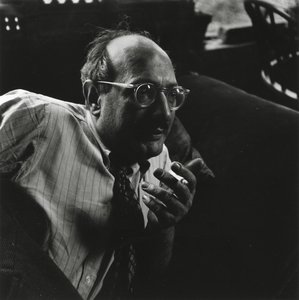
Mark Rothko
1903 - 1970 , Letonia
Datos clave
- Artistas Que Influyeron:
- Edward Hopper
- Pablo Picasso
- Fecha De Muerte: 25 de febrero de 1970
- Fecha De Nacimiento: 25 de septiembre de 1903
- Influencia En Artistas:
- Minimalismo
- Arte contemporáneo
- Lugar De Nacimiento: Daugavpils, Letonia
- Movimiento Artístico: Expresionismo Abstracto
- Nacionalidad: Estadounidense
- Nombre Completo: Mark Rothko (Marcus Rothkowitz)
- Obras Notables:
- No. 18 (1948)
- No. 10 (1950)
- Murales Seagram
- No. 3 (1950)
Artículos relacionados

Atmósferas Cromáticas: Explorando la Evolución e Impacto de la Pintura Color Field
Descubra la evolución y el impacto de la pintura Color Field. Análisis experto de Rothko, Newman y otros maestros. Guía para coleccionistas exigentes en AllPaintingsStore.

The Sublimity of Color: Exploring the Emotional Landscapes of Mark Rothko's Abstract Expressionism
Explore the profound emotional depth of Mark Rothko's abstract expressionism. Discover the history, techniques & lasting impact of this pivotal Color Field painter. Expert insights for collectors and art enthusiasts.
Más Allá de la Representación: Explorando el Paisaje Emocional del Expresionismo Abstracto
Descubra el Expresionismo Abstracto en profundidad. Análisis de artistas clave como Rothko y Richter, su contexto histórico e inversión en arte. Guía experta para coleccionistas.

Beatrice Parsons: A Study in Abstract Expressionism & the Poetics of Color Field Painting
Explore the captivating world of Beatrice Parsons, a pioneering British abstract expressionist. Discover her journey from garden watercolors to evocative color field paintings and learn about her place within art history.

Paul Jenkins: Abstraction, Color Field Painting & the Pursuit of Lyrical Expression
Explore the captivating world of Paul Jenkins, a pioneer of abstract expressionism & color field painting. Discover his unique ‘Phenomena’ series and investment potential for art collectors. Expert insights at AllPaintingsStore.