Vista previa
 Compartir
 Compartir
 Ver detalles

 Descargar
 Ver similares
 Radiografía
 Presentación de diapositivas
Untitled
 Acrylic
- WallArt
- Abstract Expressionism
 1956
1956 179.0 x 117.0 cm
 Leer más
Giclée / Impresión de arte
Impresiones giclée o en lienzo de calidad de museo con producción rápida y opciones de acabado flexibles. ( Cambiar a pintura hecha a mano Cambiar a imagen)




P118B $10

P118H $10

P118W $10

P438Z $10

P508JH $12

P508YH $12

P805H $10

P805Z $10

P919BZ $10

P919G $10

P919XJ $10

P959ZH $10

P968JZ $12

W106C $8

W218G $10

W218JH $8

W218Y $10

W307PJ $10

W316G $10

W316PJ $8

W316Y $10

W398PJ $8

W4111J $10

W500HY $15

W500JH $15

W692G $12

W849H $8

W940BG $15

W953PJ $8




Elija entre nuestros tamaños predefinidos que respetan las proporciones originales de la obra.

Puede introducir sus propias dimensiones para adaptarse a un marco o espacio específico. Si el tamaño seleccionado no coincide con las proporciones de la imagen original, recortaremos la obra de arte o extenderemos la imagen con un borde con efecto espejo o de color sólido. Se enviará una maqueta digital para su aprobación antes de que comience la producción.
Tenga en cuenta que la vista previa en pantalla no refleja el recorte o la extensión real. Solo la maqueta mostrará con precisión la composición final.
Aunque existen tamaños personalizados, recomendamos seleccionar una dimensión de la lista predefinida para preservar las proporciones originales.
Envío a todo el mundo () en 2 semanas en lugar de las 4/5 semanas estándar. (10 agosto)

Envío exprés gratuito a todo el mundo

Lienzo de lino de alta calidad

Seguro de envío completo

Garantía de reembolso de aranceles aduaneros

Garantía de fidelidad cromática exacta

Política de devolución de 60 días (solo por defectos)

Garantía de devolución del 100% del dinero

Oferta por volumen
 La opción de vidrio solo está disponible en tamaños inferiores a 110 cm.

Untitled
Giclée / Impresión de arte
Tamaño de la reproducción
-


Precio total
$ 64
Descripción de la pieza
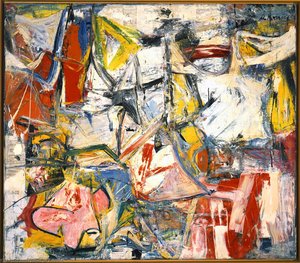
A Symphony of Color: Exploring Mark Rothko’s Untitled Canvas
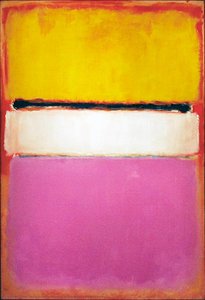
The painting “Untitled,” created in 1956 by Mark Rothko, stands as a testament to the profound influence of existential contemplation on abstract expressionism. Measuring 179 x 117 cm, this canvas embodies Rothko's signature style—large rectangular blocks of color layered upon one another, eschewing traditional representation for an immersive experience of hue and texture. The photograph captures precisely this luminous quality, highlighting the dominant yellow background punctuated by bold red and blue shapes that bleed into each other, creating a mesmerizing interplay of light and shadow.- Subject Matter: Rothko deliberately avoided depicting recognizable subjects, prioritizing instead the exploration of fundamental emotions and spiritual concepts. He sought to convey feelings of awe, melancholy, and transcendence—a desire to capture the essence of human experience beyond concrete imagery.
- Style & Technique: Rothko’s method involved applying thin washes of pigment onto linen canvases, building up layers gradually until achieving a velvety surface finish. This technique, termed “condensation,” aimed to evoke a meditative state in the viewer, encouraging contemplation and introspection rather than visual stimulation.
- Historical Context: The painting emerged during the height of Abstract Expressionism—a movement that rejected European artistic conventions and embraced spontaneity and emotional intensity as guiding principles. Rothko’s work aligns with the broader philosophical currents of his time, reflecting anxieties about nuclear war and the perceived loss of faith in traditional values.
Decoding the Color Palette: Symbolism Beyond Surface Appearance
Rothko's deliberate use of color wasn’t merely aesthetic; it carried significant symbolic weight. The yellow hue represents warmth, optimism, and perhaps even divine illumination—a visual echo of biblical references to God’s radiant glory. Conversely, the red and blue shapes convey feelings of passion, sorrow, and vulnerability. Their merging suggests a complex interplay between opposing forces – joy and despair – mirroring the human condition itself. Rothko believed that color could communicate emotions directly, bypassing rational thought and tapping into primal instincts.Emotional Resonance: An Invitation to Contemplation
The enduring appeal of “Untitled” lies in its ability to provoke a visceral response in viewers. The sheer scale of the canvas envelops the observer, creating an immersive environment that encourages stillness and reflection. Critics have described experiencing feelings of profound sadness or serenity when gazing upon Rothko’s paintings—a testament to their capacity to bypass intellectual analysis and connect with the viewer's subconscious mind. It is precisely this emotional depth that distinguishes Rothko’s work from more decorative forms of art.Reproductions: Bringing Rothko’s Vision Home
AllPaintingsStore.com offers meticulously crafted reproductions of “Untitled,” utilizing archival inks on premium canvas to faithfully capture the original artwork's luminosity and textural nuances. These high-quality prints allow collectors and interior designers alike to experience the transformative power of Rothko’s vision—a celebration of color, emotion, and the enduring quest for spiritual understanding.Obras relacionadas




Biografía del artista
vida temprana e influencias
Mark Rothko (Marcus Rothkowitz), un reconocido artista estadounidense, nació el 25 de septiembre de 1903 en Dvinsk, Letonia. Su familia emigró a los Estados Unidos cuando tenía solo diez años. Este cambio cultural influyó más tarde en su estilo artístico.evolución artística
La obra temprana de Rothko se caracterizó por el **expresionismo abstracto**, un estilo que enfatizaba el proceso de creación del arte más que el producto final. Sus pinturas, como No. 18 (1948) y Untitled (1948), mostraban su enfoque único del color y la forma.- **Campo de color:** El uso de campos de color rectangulares audaces por Rothko, a menudo en marcado contraste entre sí, creó una sensación de profundidad y emoción.
- **Estructura orgánica:** Sus pinturas parecían respirar vida, como si los colores fueran entidades vivientes.
obras notables y exposiciones
- No. 10 (1950), una pintura que marcó un cambio significativo en el estilo de Rothko, ahora forma parte de la colección del Museo de Arte Moderno.
- Las murales de Seagram, una serie de pinturas encargadas para el restaurante Four Seasons, mostraron la capacidad de Rothko para adaptar su estilo a diferentes entornos.
- No. 3 (1950), una pintura que ejemplifica el uso de campos de color rectangulares audaces por Rothko.
vida tardía y legado
La vida de Rothko estuvo marcada por las luchas con la salud mental y un matrimonio tumultuoso. Falleció el 25 de febrero de 1970, a los 66 años. A pesar de sus desafíos, Rothko dejó una huella imborrable en el mundo del arte. Ocre y rojo sobre rojo (campo de color), una pintura que muestra el enfoque único del color de Rothko, se puede encontrar en la colección AllPaintingsStore.com. La página de Wikipedia de Mark Rothko proporciona más información sobre su vida y estilo artístico.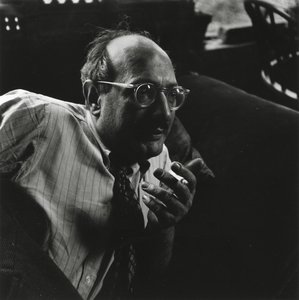
Mark Rothko
1903 - 1970 , Letonia
Datos clave
- Artistas Que Influyeron:
- Edward Hopper
- Pablo Picasso
- Fecha De Muerte: 25 de febrero de 1970
- Fecha De Nacimiento: 25 de septiembre de 1903
- Influencia En Artistas:
- Minimalismo
- Arte contemporáneo
- Lugar De Nacimiento: Daugavpils, Letonia
- Movimiento Artístico: Expresionismo Abstracto
- Nacionalidad: Estadounidense
- Nombre Completo: Mark Rothko (Marcus Rothkowitz)
- Obras Notables:
- No. 18 (1948)
- No. 10 (1950)
- Murales Seagram
- No. 3 (1950)
Artículos relacionados

Atmósferas Cromáticas: Explorando la Evolución e Impacto de la Pintura Color Field
Descubra la evolución y el impacto de la pintura Color Field. Análisis experto de Rothko, Newman y otros maestros. Guía para coleccionistas exigentes en AllPaintingsStore.
Beatrice Parsons: A Study in Abstract Expressionism & the Poetics of Color Field Painting
Explore the captivating world of Beatrice Parsons, a pioneering British abstract expressionist. Discover her journey from garden watercolors to evocative color field paintings and learn about her place within art history.

Jacob Kainen: A Pioneer of American Color Field Painting & Abstract Expressionism
Explore the life & work of Jacob Kainen, a pivotal figure in American Abstract Expressionism and Color Field painting. Discover his journey from Social Realism to vibrant abstraction and lasting influence on 20th-century art.

Morris Louis: Pioneering Color Field Painting & Abstract Expressionism's Legacy
Explore the groundbreaking abstract expressionism of Morris Louis, a pioneer of Color Field painting. Discover his innovative techniques, influential series & lasting legacy in post-war American art. Learn more at AllPaintingsStore.

Las 10 Obras Maestras en Acrílico que Revolucionaron el Arte |
Descubre las 10 obras maestras en acrílico que revolucionaron el arte moderno. Explora la historia de Pollock, Rothko y Warhol, sus técnicas y paletas vibrantes. Encuentra reproducciones de alta calidad e inspírate para decorar tu hogar con .