


 Ver en contexto
 Enviar
 Compartir
 Detalles
 Guía
Guía

 Descargar
 Similares
 Radiografía
 Presentación de diapositivas
 Preguntas y respuestas
 Estadísticas
Al primer palabra clara


 Ver más
La obra de arte que se muestra en esta página está protegida por las leyes de propiedad intelectual, lo que significa que no podemos crear ni vender legalmente una reproducción idéntica. Esta protección se hace cumplir en virtud de acuerdos internacionales como el Convenio de Berna y por las leyes nacionales, incluidas aquellas establecidas por el Ley de derechos de autor de los EE. UU. - Título 17.
Este método cumple plenamente con las normativas de derechos de autor, ya que no implica la copia ni la duplicación de la obra protegida. En su lugar, se trata de una reinterpretación creativa: una nueva pintura influenciada por la original, pero que no es idéntica a ella.
Giclée / Impresión de arte
Impresiones giclée o en lienzo de calidad de museo con producción rápida y opciones de acabado flexibles. ( Comprar pintura hecha a mano Cambiar a imagen digital)




P118B €10

P118H €10

P118W €10

P438Z €10

P508JH €12

P508YH €12

P805H €10

P805Z €10

P919BZ €10

P919G €10

P919XJ €10

P959ZH €10

P968JZ €12

W106C €8

W218G €10

W218JH €8

W218Y €10

W307PJ €10

W316G €10

W316PJ €8

W316Y €10

W398PJ €8

W4111J €10

W500HY €15

W500JH €15

W692G €12

W849H €8

W940BG €15

W953PJ €8




Elija entre nuestros tamaños predefinidos que respetan las proporciones originales de la obra.

Introduzca el ancho y el alto que necesite para adaptarse a su marco o pared. Una impresión solo puede recortarse, nunca hacerse más grande que la imagen original, por lo que un tamaño con una forma distinta perderá parte de la obra. Le enviaremos una maqueta digital para su aprobación antes de realizar cualquier impresión. La imagen que se muestra en esta página no refleja el recorte real; solo la maqueta lo hace.
Envío a todo el mundo () en 2 semanas en lugar de las 4/5 semanas estándar. (4 noviembre)

Envío exprés gratuito a todo el mundo

Lienzo de lino de alta calidad

Seguro de envío total

Garantía de reembolso de aranceles aduaneros

Garantía de fidelidad cromática exacta

Política de devolución de 100 días (solo por defectos)

Garantía de devolución del 100% del dinero

Descuento por cantidad
 La opción de vidrio solo está disponible en tamaños inferiores a 110 cm.

Al primer palabra clara
Giclée / Impresión de arte
Dimensiones de la reproducción
-


Precio total final
€ 58
At the First Clear Word: A Surrealist Echo of Mystery
Max Ernst’s “At the First Clear Word,” painted in 1923, isn't merely a visual composition; it’s an invitation into a dreamscape—a meticulously crafted portal to the subconscious. This oil on canvas piece, now housed within the Kunstsammlung Nordrhein-Westfalen in Düsseldorf, exemplifies Ernst’s mastery of Surrealism, a movement that sought to liberate art from the constraints of reason and embrace the irrationality of the human mind. The painting immediately captivates with its unsettling beauty, a blend of familiar forms rendered in an utterly unfamiliar context – a testament to Ernst's innovative approach to creating a world both recognizable and profoundly strange.
The central figure—a solitary individual reaching through a window—immediately establishes a sense of isolation and yearning. Their outstretched hand, holding an apple, is the focal point, drawing the viewer into the scene’s enigmatic narrative. The inclusion of two potted plants flanking this figure adds layers of symbolic weight; they represent not just botanical elements but also potential sources of knowledge, nourishment, or even temptation – a recurring motif in Ernst's work, often reflecting on the duality of desire and restraint. The apple itself, a potent symbol throughout art history, hints at forbidden knowledge and the allure of transgression.
Composition and Technique: A Dance of Illusion
Ernst’s technique is nothing short of masterful. He employs a muted color palette—primarily blues, browns, and ochres—to create an atmosphere of quiet contemplation and subtle unease. The landscape itself feels both real and fabricated, grounded in a recognizable form yet distorted by the artist's deliberate manipulation of perspective and scale. The use of frottage – a technique he pioneered involving rubbing textured materials onto canvas – is particularly evident in the background details, adding an almost tactile quality to the scene. This layering of textures contributes significantly to the painting’s dreamlike atmosphere, blurring the boundaries between reality and imagination.
Symbolism and Context: Echoes of Dada and Beyond
“At the First Clear Word” is deeply rooted in the Surrealist movement, which emerged from the ashes of World War I as a reaction against the perceived failures of logic and reason. Influenced by artists like André Breton, Salvador Dalí, and René Magritte, Ernst sought to tap into the unconscious mind, exploring themes of desire, anxiety, and the irrationality of human experience. The painting’s composition can be interpreted through various lenses: it could represent a moment of awakening, a yearning for connection, or perhaps a confrontation with one's own inner demons. The presence of the small figure in the background—a subtle detail often overlooked—suggests a secondary narrative, adding to the painting’s complexity and inviting multiple interpretations.
Furthermore, Ernst’s work was profoundly shaped by his experiences during World War I, a period that instilled in him a deep skepticism towards societal norms and a fascination with the darker aspects of human nature. This disillusionment is subtly reflected in the painting's unsettling atmosphere and its exploration of themes such as isolation and alienation.
A Legacy of Dreamlike Visions
“At the First Clear Word” stands as a powerful example of Max Ernst’s artistic genius—a testament to his ability to create works that are both visually arresting and intellectually stimulating. It's a painting that lingers in the mind long after it has been viewed, prompting reflection on the nature of reality, the power of the subconscious, and the enduring allure of the unknown. Today, reproductions of this iconic piece offer art enthusiasts a unique opportunity to bring this captivating vision into their homes, adding a touch of surreal mystery and intellectual depth to any space. Explore more Surrealist masterpieces at AllPaintingsStore.com, including “The Wavering Woman,” another compelling exploration of the human psyche by Max Ernst.
Preguntas y respuestas
¿Qué tamaño de impresión de "Al primer palabra clara" de Max Ernst se adapta mejor a la habitación recomendada?
Para un/a Salón principal, el tamaño de impresión recomendado para "Al primer palabra clara" de Max Ernst es Gran formato.
¿Qué tan saturada es la paleta de "Al primer palabra clara"?
La paleta de "Al primer palabra clara" presenta una saturación Presencia clara del color.
¿Qué atmósfera transmite "Al primer palabra clara"?
"Al primer palabra clara" de Max Ernst se describe con un ambiente Místico. Esta clasificación puede ayudar a combinar la obra con un entorno.
Obras relacionadas


Biografía del artista
Max Ernst: Una Vida en el Surrealismo
Juventud y Educación
- Nacido: 1 de abril de 1891, en Brühl, Alemania.
- El padre de Ernst, Philipp Ernst, era maestro de sordos y pintor aficionado, fomentando el interés temprano de Max por el arte.
- Estudió filosofía, historia del arte, literatura, psicología y psiquiatría en la Universidad de Bonn desde 1909.
- Esta diversa formación académica influyó profundamente en sus posteriores exploraciones artísticas.
Desarrollo Artístico e Influencias
- Un momento decisivo fue la exposición Sonderbund en Colonia (1912), donde conoció obras de Pablo Picasso, Vincent van Gogh, y Paul Gauguin.
- En 1914, conoció a Hans Arp, comenzando una amistad que duró toda la vida e influyó significativamente en su trayectoria artística.
- La Primera Guerra Mundial impactó profundamente a Ernst; sus experiencias como soldado llevaron al desencanto y a una visión crítica de la sociedad.
- Se sintió influenciado por las obras de Sigmund Freud, explorando temas de la mente inconsciente en su arte.
Dada y Surrealismo
- Ernst se convirtió en una figura clave del grupo Dada de Colonia después de la Primera Guerra Mundial, rechazando las convenciones artísticas tradicionales.
- Pionero en técnicas innovadoras como frottage (frotar lápiz sobre superficies texturizadas) y grattage (raspar pintura para revelar capas subyacentes).
- En la década de 1920, se unió al movimiento Surrealista en París, colaborando con artistas como Paul Éluard.
- Su obra durante este período exploró imágenes oníricas y temas psicológicos.
Obras Principales y Técnicas
- Frottage: Una técnica utilizada para crear texturas e imágenes inesperadas, ejemplificada en muchas de sus obras.
- Collage: Ernst empleó con frecuencia el collage, combinando elementos dispares para crear composiciones surrealistas.
- Obras Notables:
- La Ciudad Entera
- Euclides
- De Esto Ninguno Debería Saber
- Bosque y Paloma
- Sus pinturas a menudo presentan imágenes simbólicas, incluyendo pájaros (particularmente su alter ego Loplop), paisajes y yuxtaposiciones inquietantes.
Vida Tardía y Legado
- Ernst se trasladó a Estados Unidos durante la Segunda Guerra Mundial, continuando pintando y experimentando con nuevas técnicas.
- Regresó a Francia después de la guerra y permaneció activo hasta su muerte el 1 de abril de 1976, en París.
- Significado Histórico: Las contribuciones de Max Ernst a Dada y Surrealismo fueron innovadoras. Desafió las normas artísticas, exploró la mente subconsciente e inventó técnicas innovadoras que continúan inspirando a los artistas de hoy en día.
- Sigue siendo una de las figuras más importantes e influyentes del arte del siglo XX.

Max Ernst
1891 - 1976 , Alemania
Datos clave
- Artistas Influenciados: ['Muchos artistas posteriores']
- Artistas Que Influyeron:
- Pablo Picasso
- Vincent van Gogh
- Paul Gauguin
- Sigmund Freud
- Fecha De Muerte: 1 de abril de 1976
- Fecha De Nacimiento: 1 de abril de 1891
- Lugar De Nacimiento: Brühl, Alemania
- Movimiento Artístico: Dadaísmo y Surrealismo
- Nacionalidad: Alemán/Americano/Francés
- Nombre Completo: Max Ernst
- Obras Notables:
- La Ciudad Entera
- Euclides
- Bosque y Paloma
- El Elefante de Célebes
Artículos relacionados

Más Allá de la Realidad Tangible: Explorando los Fundamentos Filosóficos del Surrealismo
Descubre los fundamentos filosóficos del Surrealismo. Explora su contexto histórico, la influencia de Freud y las técnicas clave con análisis experto. Un viaje al corazón de este revolucionario movimiento artístico.

Surrealismo: 10 Obras Maestras que Transformaron el Arte y la Decoración
Descubre las 10 obras maestras del Surrealismo con Dalí, Magritte y Miró. Explora la historia, el simbolismo y la técnica de estos íconos del arte moderno. Encuentra reproducciones de alta calidad para tu hogar en .

Los 10 Maestros del Surrealismo: Obras que Desafían la Realidad | AllPaintingsStore
Descubre los 10 cuadros surrealistas más influyentes de artistas como Dalí y Magritte. Explora la historia, el simbolismo y las técnicas del movimiento surrealista. Encuentra reproducciones de arte de museo en AllPaintingsStore.com.
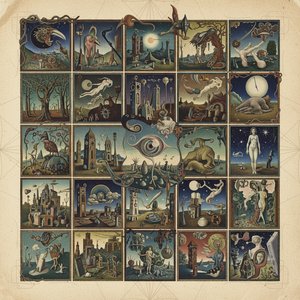
Explorando el inconsciente: Las 25 obras maestras de Max Ernst
Viaja por el surrealismo con las 25 mejores obras de Max Ernst. Explora esta colección única en AllPaintingsStore.com.

Dreamscapes & Disrupted Realities: Exploring Surrealism's Enduring Influence
Explore the fascinating world of Surrealism! Discover its origins, key artists like Dalí & Magritte, and enduring influence on art & culture. Expert insights & high-quality reproductions at AllPaintingsStore.


