


 Vista previa
 Compartir
 Compartir
 Ver detalles

 Descargar
 Ver similares
 Radiografía
 Presentación de diapositivas
Nature at Dawn


 Leer más
Giclée / Impresión de arte
Impresiones giclée o en lienzo de calidad de museo con producción rápida y opciones de acabado flexibles. ( Encargar reproducción pintada a mano Comprar descarga)




P118B $10

P118H $10

P118W $10

P438Z $10

P508JH $12

P508YH $12

P805H $10

P805Z $10

P919BZ $10

P919G $10

P919XJ $10

P959ZH $10

P968JZ $12

W106C $8

W218G $10

W218JH $8

W218Y $10

W307PJ $10

W316G $10

W316PJ $8

W316Y $10

W398PJ $8

W4111J $10

W500HY $15

W500JH $15

W692G $12

W849H $8

W940BG $15

W953PJ $8




Elija entre nuestros tamaños predefinidos que respetan las proporciones originales de la obra.

Puede introducir sus propias dimensiones para adaptarse a un marco o espacio específico. Si el tamaño seleccionado no coincide con las proporciones de la imagen original, recortaremos la obra de arte o extenderemos la imagen con un borde con efecto espejo o de color sólido. Se enviará una maqueta digital para su aprobación antes de que comience la producción.
Tenga en cuenta que la vista previa en pantalla no refleja el recorte o la extensión real. Solo la maqueta mostrará con precisión la composición final.
Aunque existen tamaños personalizados, recomendamos seleccionar una dimensión de la lista predefinida para preservar las proporciones originales.
Envío a todo el mundo () en 2 semanas en lugar de las 4/5 semanas estándar. (22 agosto)

Envío exprés gratuito a todo el mundo

Lienzo de lino de alta calidad

Seguro de envío completo

Garantía de reembolso de aranceles aduaneros

Garantía de fidelidad cromática exacta

Política de devolución de 60 días (solo por defectos)

Garantía de devolución del 100% del dinero

Oferta por volumen
 La opción de vidrio solo está disponible en tamaños inferiores a 110 cm.

Nature at Dawn
Giclée / Impresión de arte
Tamaño de la reproducción
-


Precio total
$ 64
Descripción de la pieza
A Surrealist Reverie: The Dreamscape of Max Ernst
Max Ernst’s “Nature at Dawn” stands as an arresting emblem of the Surrealist movement—a visual manifesto born from a profound questioning of rationality and fueled by the enigmatic whispers of the subconscious. Painted in 1924, this masterpiece is far more than a mere depiction of a landscape bathed in nascent sunlight; it is a meticulously crafted allegory that delves into the complex themes of power, vulnerability, and the profound interconnectedness between humanity and the natural world. To gaze upon this work is to step through a portal into a realm where the boundaries between reality and dream dissolve, making it an extraordinary centerpiece for any collection dedicated to the exploration of the human psyche.
The painting’s composition presents a hauntingly beautiful scene: a solitary man perched atop a monumental statue, his form strangely integrated with the environment as plants appear to sprout from his very back. This central figure, adorned with a crown and accompanied by a watchful bird upon his shoulder, serves as the emotional anchor of the piece. As your eyes wander through the canvas, you encounter a surreal assembly of characters—some standing in quiet contemplation, others seated in stillness—surrounded by an array of unexpected objects. From delicate potted plants to enigmatic vases and a clock suspended as if defying time, every element contributes to a sense of organized chaos, inviting the viewer to lose themselves in its intricate, dreamlike logic.
Mastery of Technique and the Spirit of Chance
Ernst’s artistic approach in this period was characterized by a deliberate embrace of chance—a rejection of traditional compositional rules in favor of spontaneous experimentation. He achieved this through a masterful technique of collage, meticulously assembling fragments of printed matter, maps, and botanical illustrations onto the canvas. These disparate elements were not merely layered; they were interwoven with such care that they created textures and patterns defying linear perspective. This method allowed Ernst to bypass conscious control, tapping into what he believed was a deeper, more authentic creative truth.
This technique serves a greater historical purpose, marking the transition from the nihilistic anti-art sentiments of Dada to the psychologically driven explorations of Surrealism. Influenced by the burgeoning field of psychoanalysis and the theories of Sigmund Freud, Ernst sought to liberate creativity from the constraints of logic. For the discerning collector or interior designer, this technical complexity offers a rich visual experience; the way light and texture interact within the reproduction provides a tactile depth that commands attention in any sophisticated setting.
Symbolism and Emotional Resonance
The symbolism within “Nature at Dawn” is layered and deeply evocative. The monumental statue, representing authority and the weight of tradition, acts as a heavy pedestal for the man, whose posture conveys a poignant sense of vulnerability beneath the expectations of society. The presence of the bird and the burgeoning flora suggests a cycle of rebirth and the unstoppable force of nature reclaiming the man-made. It is a tension between the rigid structures of civilization and the wild, untamed impulses of life itself.
For those seeking to decorate a space with art that provokes thought and conversation, this piece offers an unparalleled emotional impact. It evokes a sense of wonder, a touch of melancholy, and a profound curiosity about the unseen forces that shape our existence. Whether placed in a quiet study or a grand living area, a high-quality reproduction of this work brings with it an aura of intellectual depth and timeless mystery, making it an essential acquisition for those who appreciate art that speaks to the soul as much as the eye.
Obras relacionadas


Biografía del artista
Max Ernst: Una Vida en el Surrealismo
Juventud y Educación
- Nacido: 1 de abril de 1891, en Brühl, Alemania.
- El padre de Ernst, Philipp Ernst, era maestro de sordos y pintor aficionado, fomentando el interés temprano de Max por el arte.
- Estudió filosofía, historia del arte, literatura, psicología y psiquiatría en la Universidad de Bonn desde 1909.
- Esta diversa formación académica influyó profundamente en sus posteriores exploraciones artísticas.
Desarrollo Artístico e Influencias
- Un momento decisivo fue la exposición Sonderbund en Colonia (1912), donde conoció obras de Pablo Picasso, Vincent van Gogh, y Paul Gauguin.
- En 1914, conoció a Hans Arp, comenzando una amistad que duró toda la vida e influyó significativamente en su trayectoria artística.
- La Primera Guerra Mundial impactó profundamente a Ernst; sus experiencias como soldado llevaron al desencanto y a una visión crítica de la sociedad.
- Se sintió influenciado por las obras de Sigmund Freud, explorando temas de la mente inconsciente en su arte.
Dada y Surrealismo
- Ernst se convirtió en una figura clave del grupo Dada de Colonia después de la Primera Guerra Mundial, rechazando las convenciones artísticas tradicionales.
- Pionero en técnicas innovadoras como frottage (frotar lápiz sobre superficies texturizadas) y grattage (raspar pintura para revelar capas subyacentes).
- En la década de 1920, se unió al movimiento Surrealista en París, colaborando con artistas como Paul Éluard.
- Su obra durante este período exploró imágenes oníricas y temas psicológicos.
Obras Principales y Técnicas
- Frottage: Una técnica utilizada para crear texturas e imágenes inesperadas, ejemplificada en muchas de sus obras.
- Collage: Ernst empleó con frecuencia el collage, combinando elementos dispares para crear composiciones surrealistas.
- Obras Notables:
- La Ciudad Entera
- Euclides
- De Esto Ninguno Debería Saber
- Bosque y Paloma
- Sus pinturas a menudo presentan imágenes simbólicas, incluyendo pájaros (particularmente su alter ego Loplop), paisajes y yuxtaposiciones inquietantes.
Vida Tardía y Legado
- Ernst se trasladó a Estados Unidos durante la Segunda Guerra Mundial, continuando pintando y experimentando con nuevas técnicas.
- Regresó a Francia después de la guerra y permaneció activo hasta su muerte el 1 de abril de 1976, en París.
- Significado Histórico: Las contribuciones de Max Ernst a Dada y Surrealismo fueron innovadoras. Desafió las normas artísticas, exploró la mente subconsciente e inventó técnicas innovadoras que continúan inspirando a los artistas de hoy en día.
- Sigue siendo una de las figuras más importantes e influyentes del arte del siglo XX.
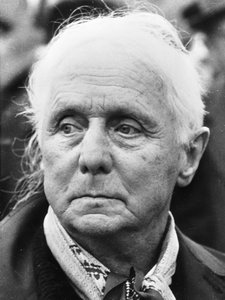
Max Ernst
1891 - 1976 , Alemania
Datos clave
- Artistas Influenciados: ['Muchos artistas posteriores']
- Artistas Que Influyeron:
- Pablo Picasso
- Vincent van Gogh
- Paul Gauguin
- Sigmund Freud
- Fecha De Muerte: 1 de abril de 1976
- Fecha De Nacimiento: 1 de abril de 1891
- Lugar De Nacimiento: Brühl, Alemania
- Movimiento Artístico: Dadaísmo y Surrealismo
- Nacionalidad: Alemán/Americano/Francés
- Nombre Completo: Max Ernst
- Obras Notables:
- La Ciudad Entera
- Euclides
- Bosque y Paloma
- El Elefante de Célebes
Artículos relacionados

Victorian Botanical Art: A Professional Guide to Sourcing Timeless Floral Reproductions for Luxury Hotel Interiors
Elevate hospitality interiors with premium Victorian botanical art reproductions. A professional guide for hotel designers on sourcing hand-painted oils and large-scale murals, featuring expert procurement advice, bulk ordering, and reliable global logistics for luxury spaces.


