


 Ver en contexto
 Enviar
 Compartir
 Detalles
 Guía
Guía

 Descargar
 Similares
 Radiografía
 Presentación de diapositivas
 Estadísticas
Nymphéas

 Ver más
La obra de arte que se muestra en esta página está protegida por las leyes de propiedad intelectual, lo que significa que no podemos crear ni vender legalmente una reproducción idéntica. Esta protección se hace cumplir en virtud de acuerdos internacionales como el Convenio de Berna y por las leyes nacionales, incluidas aquellas establecidas por el Ley de derechos de autor de los EE. UU. - Título 17.
Este método cumple plenamente con las normativas de derechos de autor, ya que no implica la copia ni la duplicación de la obra protegida. En su lugar, se trata de una reinterpretación creativa: una nueva pintura influenciada por la original, pero que no es idéntica a ella.
Giclée / Impresión de arte
Impresiones giclée o en lienzo de calidad de museo con producción rápida y opciones de acabado flexibles. ( Comprar pintura hecha a mano Cambiar a imagen digital)




P118B €10

P118H €10

P118W €10

P438Z €10

P508JH €12

P508YH €12

P805H €10

P805Z €10

P919BZ €10

P919G €10

P919XJ €10

P959ZH €10

P968JZ €12

W106C €8

W218G €10

W218JH €8

W218Y €10

W307PJ €10

W316G €10

W316PJ €8

W316Y €10

W398PJ €8

W4111J €10

W500HY €15

W500JH €15

W692G €12

W849H €8

W940BG €15

W953PJ €8




Elija entre nuestros tamaños predefinidos que respetan las proporciones originales de la obra.

Introduzca el ancho y el alto que necesite para adaptarse a su marco o pared. Una impresión solo puede recortarse, nunca hacerse más grande que la imagen original, por lo que un tamaño con una forma distinta perderá parte de la obra. Le enviaremos una maqueta digital para su aprobación antes de realizar cualquier impresión. La imagen que se muestra en esta página no refleja el recorte real; solo la maqueta lo hace.
Envío a todo el mundo () en 2 semanas en lugar de las 4/5 semanas estándar. (27 octubre)

Envío exprés gratuito a todo el mundo

Lienzo de lino de alta calidad

Seguro de envío total

Garantía de reembolso de aranceles aduaneros

Garantía de fidelidad cromática exacta

Política de devolución de 100 días (solo por defectos)

Garantía de devolución del 100% del dinero

Descuento por cantidad
 La opción de vidrio solo está disponible en tamaños inferiores a 110 cm.

Nymphéas
Giclée / Impresión de arte
Dimensiones de la reproducción
-


Precio total final
€ 56
Nymphéas: A Surrealist Oasis of Color and Emotion
Max Ernst’s “Nymphéas” stands as an emblem of Surrealism, capturing the essence of André Breton's movement—a deliberate exploration of the subconscious mind and a rejection of rational thought. Painted in 1956, shortly before his death, this monumental canvas embodies Ernst’s signature style: a masterful blend of frottage, collage, and meticulous layering of oil paint to achieve an otherworldly luminescence.
The Artist's Vision – Biographical Context
Born Maximilian Maria Ernst in Brühl, Germany, in 1891, Ernst embarked on an artistic odyssey far removed from conventional academic pursuits. His formative years were marked by philosophical inquiry and a profound disillusionment with the societal constraints of his time—influences that would permeate his entire oeuvre. Educated at Bonn University across disciplines like philosophy, art history, literature, psychology, and psychiatry, Ernst wasn’t merely interested in mastering artistic skills; he sought to understand the underlying motivations driving human creativity.
Technique and Style: Embracing Chance
Ernst's technique was characterized by a radical embrace of chance. He famously employed frottage—rubbing textured surfaces onto canvas—to generate organic patterns that served as starting points for his compositions. These textures, often derived from found objects like wood grain or fabric scraps, were combined with collage elements—fragments of paper and other materials—creating visually complex and intellectually stimulating artworks. The resulting surface is built up in multiple layers of oil paint, meticulously blended to achieve a hazy, atmospheric effect that evokes the stillness and grandeur of nature.
Symbolism: Narcissus Revisited
“Nymphéas” draws heavily on mythological references, specifically the tale of Narcissus—a young man consumed by his own reflection. Ernst’s depiction of a vast expanse of lily pads is interpreted as a visual metaphor for Narcissus's obsession and ultimate demise. The central figure, rendered in muted tones, represents Echo—the nymph who loved Narcissus but was rejected by him. Surrounding her are stylized floral forms that symbolize the transformative process of love and loss, mirroring the metamorphosis described in Greek mythology.
Emotional Impact: Tranquility Amidst Chaos
Despite its intricate compositional elements and intellectual references, “Nymphéas” exudes a palpable sense of serenity. The dominant color palette—dominated by shades of green and white—creates an illusion of depth and tranquility, inviting the viewer into a dreamlike realm. Ernst’s masterful handling of light and shadow contributes to this emotional resonance, conveying both beauty and melancholy. It's a painting that speaks to the human condition—a meditation on desire, rejection, and the enduring power of nature to inspire awe and contemplation.
- Artist: Max Ernst
- Year Painted: 1956
- Medium: Oil on Panel
- Dimensions: Unknown
- Style: Surrealism
Preguntas y respuestas
¿Con qué técnica se realizó "Nymphéas"?
"Nymphéas" está realizada en Acrílico sobre lienzo.
¿Dónde puedo encontrar estadísticas sobre "Nymphéas" de Max Ernst?
La página Estadísticas de "Nymphéas" de Max Ernst presenta las estadísticas de visitas públicas: visitas mensuales de esta obra, una comparación con las obras más vistas del artista y el origen de sus visitantes.
¿Qué representa "Nymphéas" de Max Ernst?
Los temas de "Nymphéas" son floral composition, botanical surrealism, umbrellas landscape, dreamlike imagery, symbolic flora, psychological art, organic forms.
Obras relacionadas


Biografía del artista
Max Ernst: Una Vida en el Surrealismo
Juventud y Educación
- Nacido: 1 de abril de 1891, en Brühl, Alemania.
- El padre de Ernst, Philipp Ernst, era maestro de sordos y pintor aficionado, fomentando el interés temprano de Max por el arte.
- Estudió filosofía, historia del arte, literatura, psicología y psiquiatría en la Universidad de Bonn desde 1909.
- Esta diversa formación académica influyó profundamente en sus posteriores exploraciones artísticas.
Desarrollo Artístico e Influencias
- Un momento decisivo fue la exposición Sonderbund en Colonia (1912), donde conoció obras de Pablo Picasso, Vincent van Gogh, y Paul Gauguin.
- En 1914, conoció a Hans Arp, comenzando una amistad que duró toda la vida e influyó significativamente en su trayectoria artística.
- La Primera Guerra Mundial impactó profundamente a Ernst; sus experiencias como soldado llevaron al desencanto y a una visión crítica de la sociedad.
- Se sintió influenciado por las obras de Sigmund Freud, explorando temas de la mente inconsciente en su arte.
Dada y Surrealismo
- Ernst se convirtió en una figura clave del grupo Dada de Colonia después de la Primera Guerra Mundial, rechazando las convenciones artísticas tradicionales.
- Pionero en técnicas innovadoras como frottage (frotar lápiz sobre superficies texturizadas) y grattage (raspar pintura para revelar capas subyacentes).
- En la década de 1920, se unió al movimiento Surrealista en París, colaborando con artistas como Paul Éluard.
- Su obra durante este período exploró imágenes oníricas y temas psicológicos.
Obras Principales y Técnicas
- Frottage: Una técnica utilizada para crear texturas e imágenes inesperadas, ejemplificada en muchas de sus obras.
- Collage: Ernst empleó con frecuencia el collage, combinando elementos dispares para crear composiciones surrealistas.
- Obras Notables:
- La Ciudad Entera
- Euclides
- De Esto Ninguno Debería Saber
- Bosque y Paloma
- Sus pinturas a menudo presentan imágenes simbólicas, incluyendo pájaros (particularmente su alter ego Loplop), paisajes y yuxtaposiciones inquietantes.
Vida Tardía y Legado
- Ernst se trasladó a Estados Unidos durante la Segunda Guerra Mundial, continuando pintando y experimentando con nuevas técnicas.
- Regresó a Francia después de la guerra y permaneció activo hasta su muerte el 1 de abril de 1976, en París.
- Significado Histórico: Las contribuciones de Max Ernst a Dada y Surrealismo fueron innovadoras. Desafió las normas artísticas, exploró la mente subconsciente e inventó técnicas innovadoras que continúan inspirando a los artistas de hoy en día.
- Sigue siendo una de las figuras más importantes e influyentes del arte del siglo XX.
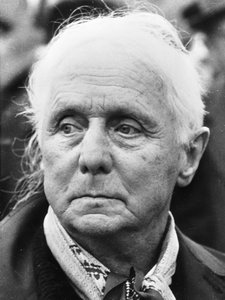
Max Ernst
1891 - 1976 , Alemania
Datos clave
- Artistas Influenciados: ['Muchos artistas posteriores']
- Artistas Que Influyeron:
- Pablo Picasso
- Vincent van Gogh
- Paul Gauguin
- Sigmund Freud
- Fecha De Muerte: 1 de abril de 1976
- Fecha De Nacimiento: 1 de abril de 1891
- Lugar De Nacimiento: Brühl, Alemania
- Movimiento Artístico: Dadaísmo y Surrealismo
- Nacionalidad: Alemán/Americano/Francés
- Nombre Completo: Max Ernst
- Obras Notables:
- La Ciudad Entera
- Euclides
- Bosque y Paloma
- El Elefante de Célebes
Artículos relacionados
Max Ernst: Las 25 Obras Maestras del Surrealismo para Decorar tu Hogar con Arte
Descubre las 25 obras maestras de Max Ernst, el rey del surrealismo. Explora su arte onírico, técnicas innovadoras y simbolismo profundo. Reproducciones de alta calidad para decorar tu hogar con estilo en AllPaintingsStore.com

Paisajes Románticos: 10 Obras Maestras que Definieron un Movimiento Artístico
Descubre los 10 paisajes románticos más influyentes de artistas como Caspar David Friedrich y Turner. Explora la belleza, el simbolismo y las técnicas del movimiento romántico. Reproducciones de arte exclusivas en AllPaintingsStore.com.

Evocations of Place: A Historical Journey Through Landscape Art
Explore the rich history of landscape art with AllPaintingsStore. Discover renowned artists, movements like Impressionism & tonalism, and expert guidance for collecting timeless pieces. Find your perfect serene escape today!
John Constable: Las 25 Obras Maestras del Paisaje Inglés | AllPaintingsStore
Descubre las 25 obras maestras de John Constable, el pintor romántico inglés que capturó la belleza del paisaje. Explora su técnica, historia y significado en AllPaintingsStore.com. Reproducciones de arte de alta calidad para tu hogar.

Evocations of Place: A Historical Journey Through Landscape Art
Explore the rich history of landscape art with AllPaintingsStore. Discover renowned artists, movements like Impressionism & Romanticism, and expert guidance for collecting timeless pieces. Find your perfect serene escape today!


