


 Vista previa
 Compartir
 Compartir
 Ver detalles
 Guía
Guía

 Descargar
 Ver artículos similares
 Radiografía
 Presentación de diapositivas
 Estadísticas
untitled (3252)


 Leer más
Reproducción al óleo hecha a mano
Óleo sobre lienzo pintado a mano en el tamaño y marco de su elección, realizado por encargo por nuestros artistas. ( Cambiar a formato impreso Ver versión en imagen digital)




P118B $10

P118H $10

P118W $10

P438Z $10

P508JH $12

P508YH $12

P805H $10

P805Z $10

P919BZ $10

P919G $10

P919XJ $10

P959ZH $10

P968JZ $12

W106C $8

W218G $10

W218JH $8

W218Y $10

W307PJ $10

W316G $10

W316PJ $8

W316Y $10

W398PJ $8

W4111J $10

W500HY $15

W500JH $15

W692G $12

W849H $8

W940BG $15

W953PJ $8




Elija entre nuestros tamaños predefinidos que respetan las proporciones originales de la obra.

Puede ingresar sus propias dimensiones para adaptarse a un marco o espacio específico. Si el tamaño seleccionado no coincide con las proporciones de la imagen original, recortaremos la obra o extenderemos la pintura con elementos adicionales pintados a mano. Se le enviará una maqueta digital para su aprobación antes de comenzar la producción.
Tenga en cuenta que la vista previa en pantalla no refleja el recorte o la extensión reales. Solo la maqueta mostrará con precisión la composición final.
Si bien existen tamaños personalizados, recomendamos seleccionar una dimensión de la lista predefinida para preservar las proporciones originales.
Tras realizar el pedido, el equipo de AllPaintingsStore.com enviará un correo electrónico al cliente para solicitar instrucciones y proporcionarle una vista previa del boceto.
Envío a todo el mundo () en 3-4 semanas en lugar de las 5 semanas estándar. (23 septiembre). Sin comprometer la calidad.

Envío exprés gratuito a todo el mundo

Lienzo de lino de alta calidad

Seguro de envío completo

Garantía de reembolso de impuestos aduaneros

Garantía de fidelidad cromática exacta

Política de devolución de 100 días (solo por defectos)

Garantía de devolución del 100% del dinero

Oferta por volumen
 La opción de vidrio solo está disponible en tamaños inferiores a 110 cm.

untitled (3252)
Técnica de reproducción
Tamaño de la reproducción
-


Precio total
$ 258
A Fragmented Self: Unpacking the Enigma of ‘untitled (3252)’
Max Ernst’s “untitled (3252)” isn't merely a painting; it’s an immersion into the fractured psyche, a visual echo of anxieties and intellectual pursuits that defined the early 20th century. The image – a figure enveloped in a swirling blue void, surrounded by what appear to be fragmented faces – immediately commands attention with its unsettling beauty. It’s a work born from a profound engagement with the burgeoning field of psychology, particularly Freud's theories on the unconscious, and a desire to represent not just outward appearance but the complex, often contradictory, inner landscape of the human mind.

Surrealism’s Roots: Dada and the Rejection of Reason
Ernst was a key figure in the development of Surrealism, a movement that emerged from the ashes of World War I as a direct reaction against the perceived failures of rational thought. Influenced heavily by Dada – a deliberately anti-art movement characterized by chaos and absurdity – Ernst sought to liberate art from the constraints of representation and logic. “untitled (3252)” embodies this spirit perfectly, employing techniques like automatism – spontaneous drawing or painting without conscious control – to tap into the subconscious and reveal hidden truths. The blue background isn’t simply a color choice; it represents the vast, unknowable depths of the unconscious mind, a space where reason dissolves and dreams take hold.
Technique and Composition: A Dance of Disruption
The painting's technique is characterized by layered applications of oil paint, creating a textured surface that adds to its unsettling quality. Ernst’s meticulous brushwork, combined with the deliberate distortion of form, generates a sense of unease. The central figure, seemingly constructed from multiple faces, suggests a disintegration of identity – a common theme in Surrealist art. The arrangement is deliberately chaotic yet carefully balanced; it's not random but meticulously crafted to evoke a specific emotional response. Note the subtle use of perspective, creating an illusion of depth within the confined space, further enhancing the feeling of disorientation.
Symbolism and Interpretation: A Portrait of the Artist’s Soul
The multiple faces surrounding the central figure are open to interpretation, but they likely represent the various facets of the self – memories, desires, fears, and suppressed emotions. The bird, a recurring motif in Ernst's work, often symbolizes freedom or escape, yet here it seems trapped within the blue void, suggesting a struggle for liberation. “untitled (3252)” can be seen as a deeply personal exploration of Ernst’s own anxieties and intellectual struggles, reflecting his fascination with psychology and his desire to understand the hidden forces that shape human behavior. It's a testament to the power of art to confront uncomfortable truths and challenge conventional perceptions.
A Legacy of Innovation: Ernst’s Enduring Influence
Max Ernst’s “untitled (3252)” stands as a pivotal work in the history of 20th-century art, demonstrating the profound impact of Surrealism on artistic expression. Its exploration of the subconscious, its innovative techniques, and its haunting imagery continue to resonate with viewers today. Reproductions like this offer a unique opportunity to experience the power of Ernst’s vision – a reminder that true beauty can be found in the unsettling, the fragmented, and the profoundly human.
Obras relacionadas


Biografía del artista
Max Ernst: Una Vida en el Surrealismo
Juventud y Educación
- Nacido: 1 de abril de 1891, en Brühl, Alemania.
- El padre de Ernst, Philipp Ernst, era maestro de sordos y pintor aficionado, fomentando el interés temprano de Max por el arte.
- Estudió filosofía, historia del arte, literatura, psicología y psiquiatría en la Universidad de Bonn desde 1909.
- Esta diversa formación académica influyó profundamente en sus posteriores exploraciones artísticas.
Desarrollo Artístico e Influencias
- Un momento decisivo fue la exposición Sonderbund en Colonia (1912), donde conoció obras de Pablo Picasso, Vincent van Gogh, y Paul Gauguin.
- En 1914, conoció a Hans Arp, comenzando una amistad que duró toda la vida e influyó significativamente en su trayectoria artística.
- La Primera Guerra Mundial impactó profundamente a Ernst; sus experiencias como soldado llevaron al desencanto y a una visión crítica de la sociedad.
- Se sintió influenciado por las obras de Sigmund Freud, explorando temas de la mente inconsciente en su arte.
Dada y Surrealismo
- Ernst se convirtió en una figura clave del grupo Dada de Colonia después de la Primera Guerra Mundial, rechazando las convenciones artísticas tradicionales.
- Pionero en técnicas innovadoras como frottage (frotar lápiz sobre superficies texturizadas) y grattage (raspar pintura para revelar capas subyacentes).
- En la década de 1920, se unió al movimiento Surrealista en París, colaborando con artistas como Paul Éluard.
- Su obra durante este período exploró imágenes oníricas y temas psicológicos.
Obras Principales y Técnicas
- Frottage: Una técnica utilizada para crear texturas e imágenes inesperadas, ejemplificada en muchas de sus obras.
- Collage: Ernst empleó con frecuencia el collage, combinando elementos dispares para crear composiciones surrealistas.
- Obras Notables:
- La Ciudad Entera
- Euclides
- De Esto Ninguno Debería Saber
- Bosque y Paloma
- Sus pinturas a menudo presentan imágenes simbólicas, incluyendo pájaros (particularmente su alter ego Loplop), paisajes y yuxtaposiciones inquietantes.
Vida Tardía y Legado
- Ernst se trasladó a Estados Unidos durante la Segunda Guerra Mundial, continuando pintando y experimentando con nuevas técnicas.
- Regresó a Francia después de la guerra y permaneció activo hasta su muerte el 1 de abril de 1976, en París.
- Significado Histórico: Las contribuciones de Max Ernst a Dada y Surrealismo fueron innovadoras. Desafió las normas artísticas, exploró la mente subconsciente e inventó técnicas innovadoras que continúan inspirando a los artistas de hoy en día.
- Sigue siendo una de las figuras más importantes e influyentes del arte del siglo XX.
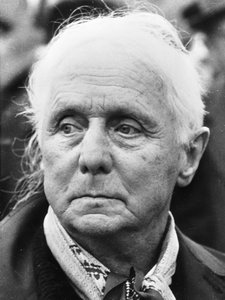
Max Ernst
1891 - 1976 , Alemania
Datos clave
- Artistas Influenciados: ['Muchos artistas posteriores']
- Artistas Que Influyeron:
- Pablo Picasso
- Vincent van Gogh
- Paul Gauguin
- Sigmund Freud
- Fecha De Muerte: 1 de abril de 1976
- Fecha De Nacimiento: 1 de abril de 1891
- Lugar De Nacimiento: Brühl, Alemania
- Movimiento Artístico: Dadaísmo y Surrealismo
- Nacionalidad: Alemán/Americano/Francés
- Nombre Completo: Max Ernst
- Obras Notables:
- La Ciudad Entera
- Euclides
- Bosque y Paloma
- El Elefante de Célebes
Artículos relacionados

Pop Surrealism Trend Forecast: Integrating Bold Pop Art and Dreamlike Fantasy into Modern Hospitality Design
Elevate hospitality interiors with Pop Surrealism. Discover how to integrate bold pop art and dreamlike fantasy into hotel design through professional-grade, hand-painted oil reproductions, large-scale murals, and custom multi-panel sets tailored for high-volume procurement.


