


 Vista previa
 Compartir
 Compartir
 Ver detalles
 Guía
Guía

 Descargar
 Ver artículos similares
 Radiografía
 Presentación de diapositivas
 Estadísticas
untitled (8952)


 Leer más
La obra de arte que se muestra en esta página está protegida por las leyes de propiedad intelectual, lo que significa que no podemos crear ni vender legalmente una reproducción idéntica. Esta protección se hace cumplir en virtud de acuerdos internacionales como el Convenio de Berna y por las leyes nacionales, incluidas aquellas establecidas por el Ley de derechos de autor de los EE. UU. - Título 17.
Como una alternativa respetuosa y legal, ofrecemos obras de arte personalizadas y pintadas a mano inspiradas en la original. Nuestros expertos y profesionales del arte estudian cuidadosamente el estilo, el sentimiento y la esencia artística de la obra original para crear una pieza nueva y única que evoque la misma sensación, siendo al mismo tiempo una creación original por derecho propio.
Este método cumple plenamente con las normativas de derechos de autor, ya que no implica la copia ni la duplicación de la obra protegida. En su lugar, se trata de una reinterpretación creativa: una nueva pintura influenciada por la original, pero que no es idéntica a ella.
Reproducción al óleo hecha a mano
Óleo sobre lienzo pintado a mano en el tamaño y marco de su elección, realizado por encargo por nuestros artistas. ( Cambiar a formato impreso Ver versión en imagen digital)




P118B €10

P118H €10

P118W €10

P438Z €10

P508JH €12

P508YH €12

P805H €10

P805Z €10

P919BZ €10

P919G €10

P919XJ €10

P959ZH €10

P968JZ €12

W106C €8

W218G €10

W218JH €8

W218Y €10

W307PJ €10

W316G €10

W316PJ €8

W316Y €10

W398PJ €8

W4111J €10

W500HY €15

W500JH €15

W692G €12

W849H €8

W940BG €15

W953PJ €8




Elija entre nuestros tamaños predefinidos que respetan las proporciones originales de la obra.

Escriba el ancho y el alto que necesite para adaptarse a su marco o a su pared. Al ser una obra pintada a mano, para un tamaño con una forma distinta, el artista puede pintar un poco más alrededor de la imagen o recortar un poco; usted elige. Le enviaremos una maqueta digital para su aprobación antes de comenzar la pintura. La imagen que se muestra en esta página no refleja el resultado real; solo la maqueta lo hace.
Tras realizar el pedido, el equipo de AllPaintingsStore.com enviará un correo electrónico al cliente para solicitar instrucciones y proporcionarle una vista previa del boceto.
Envío a todo el mundo () en 3-4 semanas en lugar de las 5 semanas estándar. (25 octubre). Sin comprometer la calidad.

Envío exprés gratuito a todo el mundo

Lienzo de lino de alta calidad

Seguro de envío completo

Garantía de reembolso de impuestos aduaneros

Garantía de fidelidad cromática exacta

Política de devolución de 100 días (solo por defectos)

Garantía de devolución del 100% del dinero

Oferta por volumen
 La opción de vidrio solo está disponible en tamaños inferiores a 110 cm.

untitled (8952)
Técnica de reproducción
Tamaño de la reproducción
-


Precio total
€ 226
Unveiling the Dreamscape: Max Ernst’s “Untitled (8952)”
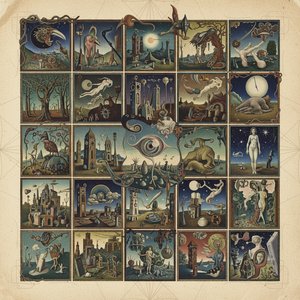
Max Ernst's "Untitled (8952)" is not merely a depiction of a scene; it’s an immersion into the subconscious, a meticulously crafted exploration of surrealist anxieties and desires. This enigmatic work, dating from the artist’s prolific output during the early to mid-20th century, immediately captivates with its unsettling juxtaposition of familiar elements – a horse-drawn carriage, bicycles, and figures – arranged within a landscape that defies logical interpretation. The painting speaks volumes about Ernst's fascination with dreams, automatism, and the power of the irrational, themes central to his contribution to the Surrealist movement.
A Symphony of Technique: Ernst’s Exploration of Collage and Automatism
Ernst’s technique in “Untitled (8952)” is a testament to his innovative approach to painting. He masterfully employs collage elements, layering textures and fragments that contribute to the work's dreamlike quality. The application of paint – often built up in thick impasto – further enhances this effect, creating a tactile surface that invites close inspection. Crucially, Ernst utilized techniques of *automatism*, a core principle of Surrealism, allowing his unconscious mind to guide the brush and shape the composition. This process resulted in unexpected forms and arrangements, reflecting the fluidity and instability inherent in dreams.
Symbolic Layers: Horses, Bicycles, and the Human Condition
The central image – a horse pulling a carriage – immediately evokes powerful symbolism. The horse, often associated with power, labor, and even death, is presented here in an unconventional manner, suggesting a disruption of traditional hierarchies. The presence of bicycles adds another layer of complexity, representing both progress and the potential for alienation within modern society. The figures themselves, seemingly caught in a moment of interaction or observation, represent humanity’s struggle to understand its place in the world – a theme frequently explored by Ernst through his art. The arrangement feels deliberately disjointed, mirroring the fragmented nature of memory and experience.
Historical Context: Surrealism and the Aftermath of War
"Untitled (8952)" was created during a period of profound social and political upheaval following World War I. The devastation and disillusionment experienced by many Europeans fueled a desire to challenge conventional values and explore alternative modes of thought. Surrealism, born out of this context, sought to liberate the imagination from the constraints of reason and logic. Ernst’s work reflects this spirit of rebellion, offering a visual language for expressing anxieties about modernity, war, and the human condition. His exploration of psychological themes – influenced by his studies in psychology and psychiatry – aligns perfectly with the Surrealist movement's interest in the unconscious mind.
Emotional Impact: A Portrait of Uncertainty
Ultimately, “Untitled (8952)” resonates with a profound sense of unease and ambiguity. The painting doesn’t offer easy answers or resolutions; instead, it invites viewers to confront their own anxieties and uncertainties. Its unsettling composition and symbolic imagery create a powerful emotional response, prompting contemplation on themes of control, freedom, and the nature of reality itself. This reproduction captures not just an image but the very essence of Ernst's artistic vision – a testament to his enduring legacy as one of the most influential artists of the 20th century.
Preguntas y respuestas
¿Qué origen nacional sustenta el Surrealist Movement de "untitled (8952)"?
"untitled (8952)" conecta el movimiento Surrealist Movement con Alemania a través del lugar de nacimiento de su creador.
¿Qué atmósfera aportaría "untitled (8952)" a un espacio?
La atmósfera Ethereal de "untitled (8952)" de Max Ernst combina perfectamente con su espacio recomendado: un Living Room.
¿Cuál es la luminosidad percibida de "untitled (8952)" de Max Ernst?
En términos generales, "untitled (8952)" se registra con una luminosidad de brilliant. La luminosidad percibida describe qué tan clara u oscura parece la obra.
Obras relacionadas


Biografía del artista
Max Ernst: Una Vida en el Surrealismo
Juventud y Educación
- Nacido: 1 de abril de 1891, en Brühl, Alemania.
- El padre de Ernst, Philipp Ernst, era maestro de sordos y pintor aficionado, fomentando el interés temprano de Max por el arte.
- Estudió filosofía, historia del arte, literatura, psicología y psiquiatría en la Universidad de Bonn desde 1909.
- Esta diversa formación académica influyó profundamente en sus posteriores exploraciones artísticas.
Desarrollo Artístico e Influencias
- Un momento decisivo fue la exposición Sonderbund en Colonia (1912), donde conoció obras de Pablo Picasso, Vincent van Gogh, y Paul Gauguin.
- En 1914, conoció a Hans Arp, comenzando una amistad que duró toda la vida e influyó significativamente en su trayectoria artística.
- La Primera Guerra Mundial impactó profundamente a Ernst; sus experiencias como soldado llevaron al desencanto y a una visión crítica de la sociedad.
- Se sintió influenciado por las obras de Sigmund Freud, explorando temas de la mente inconsciente en su arte.
Dada y Surrealismo
- Ernst se convirtió en una figura clave del grupo Dada de Colonia después de la Primera Guerra Mundial, rechazando las convenciones artísticas tradicionales.
- Pionero en técnicas innovadoras como frottage (frotar lápiz sobre superficies texturizadas) y grattage (raspar pintura para revelar capas subyacentes).
- En la década de 1920, se unió al movimiento Surrealista en París, colaborando con artistas como Paul Éluard.
- Su obra durante este período exploró imágenes oníricas y temas psicológicos.
Obras Principales y Técnicas
- Frottage: Una técnica utilizada para crear texturas e imágenes inesperadas, ejemplificada en muchas de sus obras.
- Collage: Ernst empleó con frecuencia el collage, combinando elementos dispares para crear composiciones surrealistas.
- Obras Notables:
- La Ciudad Entera
- Euclides
- De Esto Ninguno Debería Saber
- Bosque y Paloma
- Sus pinturas a menudo presentan imágenes simbólicas, incluyendo pájaros (particularmente su alter ego Loplop), paisajes y yuxtaposiciones inquietantes.
Vida Tardía y Legado
- Ernst se trasladó a Estados Unidos durante la Segunda Guerra Mundial, continuando pintando y experimentando con nuevas técnicas.
- Regresó a Francia después de la guerra y permaneció activo hasta su muerte el 1 de abril de 1976, en París.
- Significado Histórico: Las contribuciones de Max Ernst a Dada y Surrealismo fueron innovadoras. Desafió las normas artísticas, exploró la mente subconsciente e inventó técnicas innovadoras que continúan inspirando a los artistas de hoy en día.
- Sigue siendo una de las figuras más importantes e influyentes del arte del siglo XX.

Max Ernst
1891 - 1976 , Alemania
Datos clave
- Artistas Influenciados: ['Muchos artistas posteriores']
- Artistas Que Influyeron:
- Pablo Picasso
- Vincent van Gogh
- Paul Gauguin
- Sigmund Freud
- Fecha De Muerte: 1 de abril de 1976
- Fecha De Nacimiento: 1 de abril de 1891
- Lugar De Nacimiento: Brühl, Alemania
- Movimiento Artístico: Dadaísmo y Surrealismo
- Nacionalidad: Alemán/Americano/Francés
- Nombre Completo: Max Ernst
- Obras Notables:
- La Ciudad Entera
- Euclides
- Bosque y Paloma
- El Elefante de Célebes
Artículos relacionados
Max Ernst: Las 25 Obras Maestras del Surrealismo para Decorar tu Hogar con Arte
Descubre las 25 obras maestras de Max Ernst, el rey del surrealismo. Explora su arte onírico, técnicas innovadoras y simbolismo profundo. Reproducciones de alta calidad para decorar tu hogar con estilo en AllPaintingsStore.com

The Enduring Legacy of Fine Art Prints: Technique, History & Aesthetic Impact
Explore the rich history & techniques of fine art prints. Discover investment potential, assess authenticity, and learn how to preserve your collection with expert guidance. Trusted insights for discerning collectors.

Echoes of Time: Exploring the Enduring Appeal & Historical Context of Vintage Art Prints
Explore the captivating world of vintage art prints! Discover their history, collecting tips & enduring appeal. Expert insights on chromolithography and building a legacy collection with AllPaintingsStore.

Giclée Prints: Archival Quality & Aesthetic Nuances for the Discerning Collector
Explore the world of giclée prints with AllPaintingsStore. Learn about archival quality, aesthetic nuances & investment potential. Expert guidance for discerning art collectors seeking museum-quality reproductions and lasting value.

Los 10 Maestros del Surrealismo: Obras que Desafían la Realidad | AllPaintingsStore
Descubre los 10 cuadros surrealistas más influyentes de artistas como Dalí y Magritte. Explora la historia, el simbolismo y las técnicas del movimiento surrealista. Encuentra reproducciones de arte de museo en AllPaintingsStore.com.


