


 Vista previa
 Compartir
 Compartir
 Ver detalles
 Guía
Guía

 Descargar
 Ver artículos similares
 Radiografía
 Presentación de diapositivas
 Estadísticas
Midas and Bacchus

 Leer más
Giclée / Impresión de arte
Impresiones giclée o en lienzo de calidad de museo con producción rápida y opciones de acabado flexibles. ( Encargar reproducción pintada a mano Ver versión en imagen digital)




P118B $10

P118H $10

P118W $10

P438Z $10

P508JH $12

P508YH $12

P805H $10

P805Z $10

P919BZ $10

P919G $10

P919XJ $10

P959ZH $10

P968JZ $12

W106C $8

W218G $10

W218JH $8

W218Y $10

W307PJ $10

W316G $10

W316PJ $8

W316Y $10

W398PJ $8

W4111J $10

W500HY $15

W500JH $15

W692G $12

W849H $8

W940BG $15

W953PJ $8




Elija entre nuestros tamaños predefinidos que respetan las proporciones originales de la obra.

Puede introducir sus propias dimensiones para adaptarse a un marco o espacio específico. Si el tamaño seleccionado no coincide con las proporciones de la imagen original, recortaremos la obra de arte o extenderemos la imagen con un borde con efecto espejo o de color sólido. Se enviará una maqueta digital para su aprobación antes de que comience la producción.
Tenga en cuenta que la vista previa en pantalla no refleja el recorte o la extensión real. Solo la maqueta mostrará con precisión la composición final.
Aunque existen tamaños personalizados, recomendamos seleccionar una dimensión de la lista predefinida para preservar las proporciones originales.
Envío a todo el mundo () en 2 semanas en lugar de las 4/5 semanas estándar. (26 septiembre)

Envío exprés gratuito a todo el mundo

Lienzo de lino de alta calidad

Seguro de envío completo

Garantía de reembolso de impuestos aduaneros

Garantía de fidelidad cromática exacta

Política de devolución de 100 días (solo por defectos)

Garantía de devolución del 100% del dinero

Oferta por volumen
 La opción de vidrio solo está disponible en tamaños inferiores a 110 cm.

Midas and Bacchus
Giclée / Impresión de arte
Tamaño de la reproducción
-


Precio total
$ 64
A Symphony of Light and Antiquity: Exploring Nicolas Poussin’s Midas and Bacchus
Nicolas Poussin's "Midas and Bacchus" stands as an emblem of French Baroque painting, yet its genesis lies firmly within the Italian Renaissance tradition. Completed around 1648-1650, this monumental canvas transcends mere depiction; it embodies a profound meditation on myth, desire, and the transformative power of divine grace—themes central to Poussin’s artistic philosophy. The painting resides in the Musée du Louvre, Paris, where its breathtaking scale and meticulous detail continue to captivate audiences centuries after its creation.- Subject Matter: Drawn from Greek mythology, “Midas and Bacchus” recounts the tale of King Midas’s hubristic wish—to turn everything he touched into gold—and his subsequent encounter with Dionysus (Bacchus), god of wine and revelry. The scene unfolds in a stylized Roman landscape, populated by figures representing both earthly pleasure and spiritual contemplation.
- Style: Poussin’s style is characterized by its serene composure and masterful use of chiaroscuro—the dramatic interplay between light and shadow—a technique perfected during his formative years in Rome. Unlike the exuberant dynamism of Caravaggio, Poussin prioritizes balance and harmony, striving to convey an idealized vision of beauty.
Technique: The Art of Illusion – Mastering Chiaroscuro and Atmospheric Perspective
Poussin’s technique exemplifies the Renaissance preoccupation with scientific observation. He meticulously studied aerial perspective—the gradual blurring of distant objects due to atmospheric haze—creating an illusion of depth that surpasses mere visual representation. Layers upon layers of thinly applied paint, painstakingly blended by hand, contribute to the painting's luminous quality and enhance its sense of realism. The artist’s meticulous attention to detail extends beyond the figures themselves; he renders every leaf, stone, and ripple of water with astonishing accuracy.Symbolism: Divine Intervention and Moral Reflection
Beyond its visual splendor, “Midas and Bacchus” is laden with symbolic significance. Dionysus’s presence represents divine indulgence and the allure of sensual gratification—a stark contrast to Midas's folly. The shepherdess, positioned centrally in the composition, embodies purity and innocence, serving as a moral counterpoint to the king’s avarice. Furthermore, the golden fleece adorning Midas’s tunic symbolizes wealth and earthly ambition, ultimately undermined by the transformative influence of Dionysus’s wine—a reminder that true happiness resides not in material possessions but in spiritual enlightenment.Emotional Impact: Tranquility Amidst Chaos – A Vision of Sublime Beauty
Despite its narrative complexity, “Midas and Bacchus” exudes an aura of profound tranquility. Poussin’s masterful orchestration of light and color evokes a sense of sublime beauty—a feeling akin to awe and wonder—inspiring contemplation on the human condition. The painting's stillness belies the tumultuous events unfolding within its frame, suggesting that inner peace can prevail even amidst external pressures. It remains an enduring testament to Poussin’s artistic genius and his unwavering commitment to conveying a vision of idealized harmony.Concluding Thoughts: An Artistic Legacy Enduring Through Time
“Midas and Bacchus” continues to resonate with audiences today, securing its place as one of the most celebrated paintings of the Baroque era. Its influence can be discerned in countless subsequent artworks—a testament to Poussin’s pioneering role in establishing a new aesthetic standard. More than simply a depiction of mythic narrative, it represents an exploration of fundamental human concerns—desire, morality, and the pursuit of spiritual fulfillment—making it an invaluable contribution to the history of art and a source of inspiration for generations of artists.Obras relacionadas


Biografía del artista
vida temprana y formación
nicolás poussin, nacido en junio de 1594, fue la quintaesencia de la pintura barroca francesa clásica. A pesar de pasar la mayor parte de su carrera en Roma, permaneció profundamente arraigado en las tradiciones artísticas francesas. Sus primeros días como pintor estuvieron envueltos en incertidumbre, pero ya en 1612 había iniciado estudios formales en París, absorbiendo influencias de artistas menos conocidos antes de ser atraído a Roma en 1624.estilo artístico e influencias
El estilo estético de Poussin, celebrado por su composición coherente y priorización de la linealidad, sentó un precedente que influyó en maestros como jacques-luís david y paul cézanne bien hasta el siglo XX. Su estilo distintivo se cristalizó a través de obras maestras como la muerte de germanicus y su seminal serie de los siete sacramentos.obras notables y museos
- nicolás poussin: autorretrato 1 (barroco, óleo), un testimonio de su maestría en el medio.
- bacanal frente a un templo (74 x 101 cm, Legión de Honor, San Francisco, Estados Unidos, óleo sobre lienzo), que muestra su capacidad para equilibrar la composición y la narrativa.
- el musée des beaux-arts de carcassonne, un destino imprescindible para los amantes del arte, que alberga una impresionante colección de pinturas occidentales desde el siglo XVII hasta el XX.
legado e impacto
La lealtad de Poussin permaneció en Roma, donde finalmente se centró en incorporar paisajes expansivos a su arte. Su madurez como artista está encapsulada en obras como Orión ciego buscando el sol y las estaciones, que anunciaron una era de composición rigurosa impregnada de la belleza serena del mundo natural.explore más con AllPaintingsStore.com
descubra las obras maestras del musée france e inicie su viaje al mundo de la pintura barroca francesa con musée picasso, musée des beaux-arts de carcassonne y otros museos notables. Visite la página de nicolás poussin en AllPaintingsStore.com para explorar más de sus obras y aprender sobre el contexto en el que fueron creadas.referencias
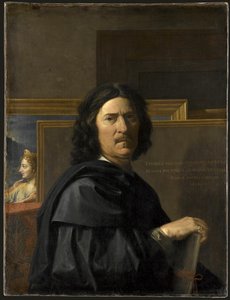
Nicolás Poussin
1594 - 1665 , Francia
Datos clave
- Artistas Influenciados:
- Jacques-Louis David
- Paul Cézanne
- Artistas Que Influyeron:
- Rafael
- Tiziano
- Fecha De Muerte: 1665
- Fecha De Nacimiento: Junio de 1594
- Lugar De Nacimiento: Le Havre, Francia
- Movimiento Artístico: Barroco clásico
- Nacionalidad: Francés
- Nombre Completo: Nicolás Poussin
- Obras Notables:
- La Muerte de Germanicus
- Los Siete Sacramentos
- Una Carretera Romana
- Orion Ciego Buscando el Sol
- Las Estaciones
Artículos relacionados

Baroque Classicism: A Professional Guide to Integrating Timeless Grandeur into Luxury Hotel Interiors
Elevate luxury hospitality with Baroque Classicism. Our guide for hotel designers explores integrating grand, classical oil reproductions into professional interiors. Discover efficient bulk procurement, custom sizing, and large-format murals to create timeless, high-impact spaces.


