


 Ver en contexto
 Enviar
 Compartir
 Detalles
 Guía
Guía

 Descargar
 Similares
 Radiografía
 Presentación de diapositivas
 Preguntas y respuestas
 Estadísticas
Annunciation

- 110.0 x 87.0 cm


 Ver más
Giclée / Impresión de arte
Impresiones giclée o en lienzo de calidad de museo con producción rápida y opciones de acabado flexibles. ( Comprar pintura hecha a mano Cambiar a imagen digital)




P118B €10

P118H €10

P118W €10

P438Z €10

P508JH €12

P508YH €12

P805H €10

P805Z €10

P919BZ €10

P919G €10

P919XJ €10

P959ZH €10

P968JZ €12

W106C €8

W218G €10

W218JH €8

W218Y €10

W307PJ €10

W316G €10

W316PJ €8

W316Y €10

W398PJ €8

W4111J €10

W500HY €15

W500JH €15

W692G €12

W849H €8

W940BG €15

W953PJ €8




Elija entre nuestros tamaños predefinidos que respetan las proporciones originales de la obra.

Introduzca el ancho y el alto que necesite para adaptarse a su marco o pared. Una impresión solo puede recortarse, nunca hacerse más grande que la imagen original, por lo que un tamaño con una forma distinta perderá parte de la obra. Le enviaremos una maqueta digital para su aprobación antes de realizar cualquier impresión. La imagen que se muestra en esta página no refleja el recorte real; solo la maqueta lo hace.
Envío a todo el mundo () en 2 semanas en lugar de las 4/5 semanas estándar. (5 noviembre)

Envío exprés gratuito a todo el mundo

Lienzo de lino de alta calidad

Seguro de envío total

Garantía de reembolso de aranceles aduaneros

Garantía de fidelidad cromática exacta

Política de devolución de 100 días (solo por defectos)

Garantía de devolución del 100% del dinero

Descuento por cantidad
 La opción de vidrio solo está disponible en tamaños inferiores a 110 cm.

Annunciation
Giclée / Impresión de arte
Dimensiones de la reproducción
-


Precio total final
€ 58
Paolo Veronese’s Annunciation: A Renaissance Symphony of Light and Color
The Annunciation, painted circa 1560 by Paolo Veronese, stands as an emblem of Venetian High Renaissance artistry—a monumental fresco that transcends mere depiction to embody a profound spiritual vision. Located in the Museo Nacional Thyssen-Bornemisza in Madrid, Spain, this masterpiece continues to captivate viewers with its breathtaking scale and masterful execution, cementing Veronese’s legacy as one of the era's foremost painters.- Subject Matter & Narrative: At its core lies a biblical narrative—the Virgin Mary receiving the divine announcement that she will conceive Jesus Christ from the Holy Spirit. Veronese meticulously portrays this pivotal moment with an unwavering focus on conveying theological significance, prioritizing symbolic representation over literal realism.
- Style & Composition: Characterized by Mannerism, Veronese’s style eschews the idealized beauty of earlier Renaissance art in favor of a dynamic and theatrical approach. The composition is deliberately asymmetrical, creating visual tension and directing the eye across expansive architectural spaces—a hallmark of Venetian artistic tradition.
- Technique & Materials: Executed in oil paint on canvas, Veronese’s technique demonstrates unparalleled skill in blending colors and achieving luminous effects. Layers upon layers of pigment create a rich tapestry of hues—gold dominating the celestial realm, contrasted by cooler blues and purples adorning Mary's robe—resulting in an immersive sensory experience for the viewer.
- Historical Context: Created during the Counter-Reformation, Veronese’s Annunciation reflects the fervent piety of the time while simultaneously engaging with humanist ideals inherited from antiquity. The fresco was commissioned by Cardinal Alessandro Farnese II, reflecting the papal patronage that fueled artistic innovation in Rome and Venice.
- Symbolism & Emotional Impact: Beyond its narrative content, the painting is laden with symbolic imagery—the radiant angel Gabriel representing divine grace, Mary’s kneeling posture signifying humility and receptivity, and the architectural backdrop symbolizing holiness—all contributing to a powerful emotional resonance. Veronese's masterful use of light and shadow amplifies these themes, evoking awe and contemplation.
Architectural Grandeur: Setting the Stage for Divine Revelation
Veronese’s genius lies not only in his artistic prowess but also in his ability to transform architectural spaces into conduits of spiritual grandeur. The monumental building depicted behind Mary and Gabriel—a lavish palazzo adorned with columns and arches—serves as more than mere backdrop; it embodies the ideals of Renaissance patronage and elevates the scene's theological significance. Perspective is skillfully employed to create a sense of depth, drawing viewers into the sacred space and emphasizing its immensity. The architectural elements are rendered with meticulous detail, mirroring Veronese’s commitment to realism while simultaneously conveying an overarching impression of majesty.Color Palette & Luminosity: Mastering Renaissance Light
The Annunciation's color palette is a testament to Veronese’s mastery of oil paint—a vibrant symphony of hues orchestrated to evoke emotion and illuminate the narrative. Dominating the celestial realm is gold, symbolizing divine glory and illuminating Gabriel’s wings and halo with radiant light. Complementing this opulent tone are cooler blues and purples used for Mary's robe, conveying serenity and piety. Veronese achieves breathtaking luminosity through layering pigments—a technique perfected during his time—creating an immersive visual experience that transcends mere representation. The interplay of light and shadow sculpts the figures and architecture alike, enhancing their dimensionality and amplifying the painting’s emotional impact.A Legacy Enduring Through Time: Influence & Artistic Significance
Paolo Veronese's Annunciation stands as a cornerstone of Venetian Renaissance art—a seminal work that profoundly influenced subsequent generations of painters. His innovative compositional techniques and masterful use of color established him as a pivotal figure in Mannerism, shaping the artistic landscape of Europe. The fresco’s enduring appeal lies not only in its aesthetic beauty but also in its ability to convey timeless themes of faith, humility, and divine grace—a testament to Veronese's unparalleled artistic vision.Preguntas y respuestas
¿Cómo puedo adquirir una copia digital de "Annunciation" de Paolo Veronese?
Puede adquirir una imagen digital de "Annunciation" de Paolo Veronese en su página de Imagen digital de alta resolución: descarga de una imagen digital en alta resolución.
¿Quién creó "Annunciation" y en qué año?
"Annunciation" fue creada por Paolo Veronese en 1560.
¿Qué nivel de luminosidad transmite "Annunciation" de Paolo Veronese?
En cuanto a la luminosidad percibida, "Annunciation" de Paolo Veronese es sombras profundas.
Obras relacionadas


Biografía del artista
Primeros años y formación
Paolo Caliari, conocido como Paolo Veronese, nació en 1528 en Verona, Italia. Era el quinto hijo de un cantero, Gabriele, y su esposa Caterina. La vida temprana de Veronese se caracterizó por su aprendizaje con Antonio Badile y posteriormente con Giovanni Francesco Caroto, ambos pintores líderes en Verona.Estilo artístico e influencias
Veronese desarrolló un estilo pictórico naturalista, influenciado por Tiziano, y es conocido por su uso de colores vibrantes. Su obra se caracteriza por su estilo dramático y colorido, a menudo presentando majestuosas ambientaciones arquitectónicas y pagantry. Las grandes pinturas de Veronese de banquetes bíblicos, llenas de figuras, son especialmente famosas, y también fue el principal pintor veneciano de techos.Obras destacadas y legado
Algunas de las obras más notables de Veronese incluyen:- La boda de Cana (1563), una pintura a gran escala que muestra su uso del color y la composición.
- El banquete en casa de Levi (1573), una obra maestra que demuestra su capacidad para equilibrar el drama y la elegancia.
- Lucrezia: Una impresionante obra maestra del Renacimiento con detalles opulentos y colores ricos.
- Honra (1557): Una obra maestra barroca que presenta tonos cálidos, luz dramática y detalles intrincados.
- Respeto (1575): Una impresionante obra maestra barroca rica en intensidad emocional, realismo y luz dramática.
Influencia cultural e impacto
La influencia de Veronese se puede ver en varios aspectos de la cultura italiana, desde los westerns espagueti hasta la rica tradición del drama y la commedia. Su trabajo continúa inspirando a artistas, incluyendo aquellos que aparecen en AllPaintingsStore, una plataforma que muestra una amplia gama de talento artístico.- Explore más obras de Veronese y la escena artística veneciana en AllPaintingsStore.
- Descubra el patrimonio cultural de Italia, desde sus civilizaciones antiguas hasta su impacto moderno, en Wikipedia.
- 1528: Nació en Verona, Italia
- 1541-1544: Aprendizaje con Antonio Badile y Giovanni Francesco Caroto
- 1563: Finalización de La boda de Cana
- 1573: Finalización del banquete en casa de Levi
- 1588: Falleció, dejando atrás un legado en la pintura veneciana
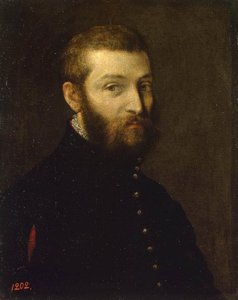
Paolo Veronese
1528 - 1588 , Italia
Datos clave
- Artistas Que Influyeron: ['Tiziano']
- Estilo Artístico: Naturalista, Veneciano
- Fecha De Nacimiento: 1528
- Influencia En Artistas: ['Artistas de WahooArt']
- Lugar De Nacimiento: Verona, Italia
- Nacionalidad: Italiana
- Nombre Completo: Paolo Veronese
- Nombres Alternativos: Paolo Caliari
- Obras Notables:
- La Boda de Caná (1563)
- El Banquete en la casa de Levi (1573)
Artículos relacionados

El Óleo sobre Lienzo: Historia, Técnica y la Persistencia de un Medio Artístico Atemporal
Descubre la historia y técnica del óleo sobre lienzo. Explora reproducciones fieles hechas a mano, personalización artística y consejos de expertos con AllPaintingsStore. ¡Colecciona arte con confianza!

The Enduring Power of Painting: A Historical & Contemporary Exploration of Form and Emotion
Explore the rich history & enduring techniques of oil painting with AllPaintingsStore. Discover masterpieces, learn about art collecting, and find authentic handmade reproductions crafted by skilled artists.

The Enduring Legacy of Oil on Canvas: Technique, History & Aesthetic Impact
Explore the rich history & techniques of oil painting – from Renaissance masters to Impressionism. Discover pigments, layering methods, and why this timeless medium endures. Expert insights for artists & art enthusiasts.

Paolo Veronese: A Renaissance Master of Color, Composition, and Venetian Splendor
Explore the vibrant world of Paolo Veronese, a Renaissance master renowned for his opulent compositions, masterful use of color, and dramatic Venetian scenes. Discover key artworks & legacy.

El Legado Duradero del Óleo sobre Lienzo: Técnica, Historia y Práctica Contemporánea
Descubre la historia y técnica del óleo sobre lienzo. Explora reproducciones fieles hechas a mano, personalización artística y consejos de expertos con .


