


 Ver en contexto
 Enviar
 Compartir
 Detalles
 Guía
Guía

 Descargar
 Similares
 Radiografía
 Presentación de diapositivas
 Preguntas y respuestas
 Estadísticas
Landschaft

 Ver más
Giclée / Impresión de arte
Impresiones giclée o en lienzo de calidad de museo con producción rápida y opciones de acabado flexibles. ( Comprar pintura hecha a mano Cambiar a imagen digital)




P118B €10

P118H €10

P118W €10

P438Z €10

P508JH €12

P508YH €12

P805H €10

P805Z €10

P919BZ €10

P919G €10

P919XJ €10

P959ZH €10

P968JZ €12

W106C €8

W218G €10

W218JH €8

W218Y €10

W307PJ €10

W316G €10

W316PJ €8

W316Y €10

W398PJ €8

W4111J €10

W500HY €15

W500JH €15

W692G €12

W849H €8

W940BG €15

W953PJ €8




Elija entre nuestros tamaños predefinidos que respetan las proporciones originales de la obra.

Introduzca el ancho y el alto que necesite para adaptarse a su marco o pared. Una impresión solo puede recortarse, nunca hacerse más grande que la imagen original, por lo que un tamaño con una forma distinta perderá parte de la obra. Le enviaremos una maqueta digital para su aprobación antes de realizar cualquier impresión. La imagen que se muestra en esta página no refleja el recorte real; solo la maqueta lo hace.
Envío a todo el mundo () en 2 semanas en lugar de las 4/5 semanas estándar. (8 noviembre)

Envío exprés gratuito a todo el mundo

Lienzo de lino de alta calidad

Seguro de envío total

Garantía de reembolso de aranceles aduaneros

Garantía de fidelidad cromática exacta

Política de devolución de 100 días (solo por defectos)

Garantía de devolución del 100% del dinero

Descuento por cantidad
 La opción de vidrio solo está disponible en tamaños inferiores a 110 cm.

Landschaft
Giclée / Impresión de arte
Dimensiones de la reproducción
-


Precio total final
€ 58
Obras relacionadas


Biografía del artista
Paul Baum (1859 – 1932): Un Maestro Silencioso del Paisaje Impresionista
Paul Baum (1859-1932) emergió de Meissen, Alemania, como un pintor profundamente arraigado en el floreciente movimiento impresionista. Su viaje artístico comenzó con exposiciones formativas y culminó en una distinguida carrera marcada por la observación meticulosa y las representaciones serenas de la vida rural, un testimonio de su inquebrantable dedicación a capturar los momentos fugaces de la belleza.- Primeros años y formación: Las inclinaciones artísticas iniciales de Baum se nutrieron durante su juventud, moldeándolo en el artista que llegaría a ser. Perfeccionó sus habilidades mediante el estudio diligente y la experimentación, absorbiendo las influencias de luminarias establecidas del impresionismo como Claude Monet y Camille Pissarro.
- El Premio Roma y el retiro toscano (1895): Un momento crucial llegó en 1895, cuando Baum obtuvo el premio Villa Romana, lo que le otorgó una residencia de un año en Roma, un crisol para la innovación artística. Esta experiencia impactó profundamente su estilo, fomentando una preferencia por paletas luminosas y una perspectiva atmosférica característica del impresionismo.
- Viajes y desarrollo artístico: Su espíritu viajero lo impulsó hacia la Toscana, donde pasó cuatro años inmerso en los paisajes de San Gimignano y Florencia. Estos viajes alimentaron su visión artística, dando como resultado pinturas evocadoras que transmitían la esencia de la campiña italiana con una sensibilidad notable.
El impacto de la guerra y la influencia académica (1914 – 1918)
El estallido de la Primera Guerra Mundial interrumpió la trayectoria de Baum, obligándolo a regresar a Alemania y aceptar una cátedra en la Academia. Sin embargo, sus búsquedas artísticas continuaron a pesar de estas obligaciones, demostrando su compromiso tanto con la enseñanza como con la expresión creativa. Cabe destacar que sucedió a Carl Bantzer como profesor de pintura de paisaje, un papel que consolidó su posición dentro de la comunidad artística alemana.- Breves colaboraciones artísticas: Los esfuerzos artísticos de Baum se extendieron más allá de las lecciones; participó en proyectos colaborativos con otros artistas, enriqueciendo la cultura visual de su época.
Marburg y la exploración continua del paisaje (1921 – 1932)
En 1921, Baum estableció su hogar en Marburg, imaginándolo como su morada permanente, aunque permaneció artísticamente activo hasta su prematura muerte en 1932. Continuó refinando su técnica y explorando nuevos temas, particularmente los paisajes de Baviera y la Toscana. Sus últimos años transcurrieron principalmente en San Gimignano, donde encontró inspiración entre las colinas toscanas.- Legado: El legado perdurable de Baum reside en sus cautivadoras pinturas de paisajes, obras que encarnan el espíritu de la búsqueda de la luz y el color propia del impresionismo. Su meticulosa atención al detalle y su profundo entendimiento de la naturaleza continúan resonando en los espectadores de hoy, asegurando su lugar como una figura significativa en la historia del arte alemán.
Obras notables y estilo artístico
La obra de Baum abarca una gama diversa de temas, desde tranquilas escenas fluviales hasta vibrantes estudios florales, todos representados con una precisión magistral e imbuidos de una inconfundible estética impresionista. Sus pinturas se distinguen por sus armonías cromáticas luminosas, pinceladas suaves y sutiles gradaciones de tono, elementos que transmiten la belleza efímera del mundo natural con una gracia sin igual. Entre sus piezas más celebradas se encuentran “Weimar en la lluvia” (1883), “Paisaje fluvial en Mecklemburgo” (1895), “Sint Anna ter Muiden” (c. 1902) y “Paisaje cerca de Hyères” (1909). Estas obras ejemplifican la dedicación inquebrantable de Baum por capturar la esencia del impresionismo, un movimiento que alteró para siempre el curso de la historia del arte.
Paul Baum
1859 - 1932 , Alemania
Datos clave
- Artistic Movement Or Style: Impresionismo
- Date Of Birth: Meissen, Alemania (1859)
- Date Of Death: 1932
- Full Name: Paul Baum
- Nationality: Alemania
- Notable Artworks:
- Weimar en la lluvia
- Paisaje fluvial en Mestricia
- Sint Anna ter Muiden
- Paisaje cerca de Hyères
- Place Of Birth: Meissen
Artículos relacionados

Maestría y Forma: Las 25 Mejores Obras de Paul Cézanne
Explora las 25 obras maestras de Paul Cézanne y su legado postimpresionista. ¡Descubre toda la colección en AllPaintingsStore.com!

Beyond the Horizon: A Curated Guide to Integrating Post-Impressionist Landscapes into Modern Interiors
Transform your home with the emotive power of Post-Impressionist landscapes. Discover expert tips on selecting hand-painted oil reproductions to create a soulful, vibrant interior that reflects your unique style and connection to nature.

Dominando la Abstracción: Las 25 Obras Maestras de Paul Klee
Explora las 25 obras maestras de Paul Klee y su ritmo abstracto. Encuentra reproducciones de museo en AllPaintingsStore.com.

Golden Fields & Sun-Drenched Meadows: Capturing the Soul of Impressionist Landscapes
Immerse yourself in the luminous world of Impressionist landscapes. Discover how masters like Monet and Gauguin captured ephemeral light through plein air painting, and learn to bring the soul of sun-drenched meadows into your home with exquisite, hand-painted oil reproductions.
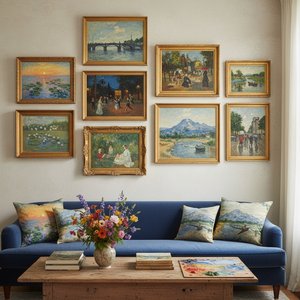
Los 10 Maestros del Paisaje Impresionista: Obras que Cambiaron la Historia del Arte
Descubre los 10 lienzos impresionistas que revolucionaron el arte. Monet, Renoir y más… Explora la historia, técnica y belleza de cada obra maestra. Encuentra reproducciones de alta calidad para tu hogar en AllPaintingsStore.com.