


 Ver en contexto
 Enviar
 Compartir
 Detalles

 Descargar
 Similares
 Radiografía
 Presentación de diapositivas
untitled (3729)

 Ver más
Giclée / Impresión de arte
Impresiones giclée o en lienzo de calidad de museo con producción rápida y opciones de acabado flexibles. ( Comprar pintura hecha a mano Comprar imagen)




P118B $10

P118H $10

P118W $10

P438Z $10

P508JH $12

P508YH $12

P805H $10

P805Z $10

P919BZ $10

P919G $10

P919XJ $10

P959ZH $10

P968JZ $12

W106C $8

W218G $10

W218JH $8

W218Y $10

W307PJ $10

W316G $10

W316PJ $8

W316Y $10

W398PJ $8

W4111J $10

W500HY $15

W500JH $15

W692G $12

W849H $8

W940BG $15

W953PJ $8




Elija entre nuestros tamaños predefinidos que respetan las proporciones originales de la obra.

Puede introducir sus propias dimensiones para adaptarse a un marco o espacio específico. Si el tamaño seleccionado no coincide con las proporciones de la imagen original, recortaremos la obra de arte o extenderemos la imagen con un borde con efecto espejo o de color sólido. Se enviará una maqueta digital para su aprobación antes de que comience la producción.
Tenga en cuenta que la vista previa en pantalla no refleja el recorte o la extensión real. Solo la maqueta mostrará con precisión la composición final.
Aunque existen tamaños personalizados, recomendamos seleccionar una dimensión de la lista predefinida para preservar las proporciones originales.
Envío a todo el mundo () en 2 semanas en lugar de las 4/5 semanas estándar. (24 agosto)

Envío exprés gratuito a todo el mundo

Lienzo de lino de alta calidad

Seguro de envío total

Garantía de reembolso de impuestos aduaneros

Garantía de fidelidad cromática exacta

Política de devolución de 60 días (solo por defectos)

Garantía de devolución del 100% del dinero

Descuento por cantidad
 La opción de vidrio solo está disponible en tamaños inferiores a 110 cm.

untitled (3729)
Giclée / Impresión de arte
Dimensiones de la reproducción
-


Precio total final
$ 64
Descripción de la pieza
A Window Into Provence: Paul Cézanne’s *Rideau, Cruchon et Compotier*
Paul Cézanne's 1893 painting, *Rideau, Cruchon et Compotier* – “Curtain, Jug and Fruit Bowl” – isn’t merely a still life; it’s a meticulously constructed meditation on perception, form, and the very essence of seeing. More than just a depiction of everyday objects arranged on a table, this work represents a pivotal moment in art history, bridging the fleeting impressions of Impressionism with the nascent geometric explorations that would define Cubism. It's a piece that invites prolonged contemplation, revealing layers of meaning within its deceptively simple composition.
Cézanne’s approach to painting was revolutionary for his time. He rejected the traditional pursuit of capturing an immediate visual impression, instead focusing on distilling objects down to their fundamental shapes and structures. This is strikingly evident in *Rideau, Cruchon et Compotier*. The jug, the bowl, the curtain – each element isn’t rendered with photographic accuracy but rather as a series of interlocking planes and angles, suggesting depth and volume through careful manipulation of line and color. Notice how the curves of the jug mimic the contours of the fruit bowl, creating a visual harmony that transcends mere representation. This deliberate simplification wasn't about reducing reality; it was about revealing its underlying geometry – a principle he relentlessly pursued throughout his career.
The Painter’s Studio and the Pursuit of Harmony
Painted in Cézanne’s studio in Auvers-sur-Oise, just outside Paris, *Rideau, Cruchon et Compotier* offers a glimpse into the artist's working environment. The objects – a simple earthenware jug, a fruit bowl brimming with apples and oranges, and a draped curtain – were commonplace items, yet Cézanne imbued them with an extraordinary sense of significance. He often used his own possessions as subjects, creating a personal vocabulary of forms and colors that reflected his unique vision. The arrangement itself feels deliberately staged, almost theatrical, suggesting a carefully considered composition rather than a spontaneous snapshot.
Cézanne’s meticulous attention to detail is remarkable. The brushstrokes are visible, yet they don't create a sense of texture or surface quality. Instead, they contribute to the overall structure and form of the objects, acting as building blocks that define their shape and volume. The use of color is equally deliberate – muted tones dominate, creating a sense of stillness and tranquility. The subtle variations in hue and value suggest light and shadow, but without resorting to traditional shading techniques. This restrained palette allows the forms themselves to take center stage.
Symbolism and Emotional Resonance
While Cézanne avoided overt symbolism, *Rideau, Cruchon et Compotier* is rich with subtle visual cues that invite interpretation. The curtain, for example, can be seen as a barrier between the viewer and the objects within, creating a sense of distance and mystery. The jug, often associated with abundance and nourishment, hints at themes of life and sustenance. And the fruit itself – ripe and luscious – evokes feelings of pleasure and indulgence.
Beyond its formal qualities, *Rideau, Cruchon et Compotier* possesses a profound emotional resonance. It’s a painting that speaks to the quiet beauty of everyday objects, inviting us to slow down and appreciate the simple pleasures of life. Cézanne's masterful manipulation of form and color creates a sense of harmony and balance, suggesting a deep connection between the artist and his subject matter. The painting is not just about depicting a still life; it’s about capturing a feeling – a moment of contemplation and serenity.
A Legacy of Innovation
*Rideau, Cruchon et Compotier* stands as a crucial link in the chain that led to modern art. Cézanne's radical approach to painting—his emphasis on form, structure, and geometric abstraction—inspired generations of artists, including Picasso and Braque, who would go on to develop Cubism. This work demonstrates his pioneering spirit, pushing beyond the limitations of traditional representation and paving the way for a new era in art history. Reproductions of this iconic piece offer a tangible connection to Cézanne’s revolutionary vision, allowing viewers to experience firsthand the power and beauty of his groundbreaking style.
Obras relacionadas


Biografía del artista
vida temprana e influencias
paul cézanne, un pintor postimpresionista francés, nació el 19 de enero de 1839 en Aix-en-Provence, Francia. Su vida temprana estuvo marcada por una fuerte conexión con la empresa bancaria de su familia, lo que le proporcionó seguridad financiera. Esto le permitió concentrarse en sus aspiraciones artísticas sin la carga del estrés financiero. les nabis, neoimpresionismo y simbolismo influyeron en el trabajo temprano de Cézanne, que se caracterizó por su énfasis en las formas geométricas y una paleta de colores limitada. Su interés en las obras de paul gauguin y georges seurat fortaleció aún más su estilo postimpresionista.estilo artístico y técnicas
El uso innovador de Cézanne de los planos de color y pequeños trazos repetitivos creó campos complejos que transmitían su intenso estudio de los temas. Su enfoque a menudo exploratorio del arte condujo al desarrollo de un nuevo lenguaje pictórico, que enfatizaba la estructura subyacente de los objetos en una composición.- características clave:
- formas geométricas y facetado
- paleta de colores reducida
- énfasis en la esencia constructiva del mundo físico
- múltiples perspectivas y simultaneidad
- obras influyentes:
- el estanque de jas de bouffan (1880)
- retrato de emile zola (1866)
- bosque (1892)
- museos que exhiben el trabajo de Cézanne:
- museo marmottan monet en París, Francia
- el museo de bellas artes en Houston, Estados Unidos
legado e impacto
El trabajo pionero de Cézanne en el postimpresionismo allanó el camino para diversos movimientos vanguardistas, incluyendo cubismo, fauvismo y surrealismo. Su influencia se puede ver en las obras de pablo picasso, henri matisse y georges braque. El legado de Cézanne continúa inspirando a artistas y entusiastas del arte por igual, consolidando su lugar como una figura fundamental en la historia del arte moderno.- movimientos artísticos relacionados:
- vea las obras de Cézanne:
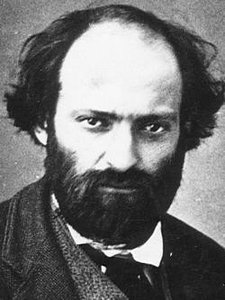
Paul Cézanne
1839 - 1906 , Francia
Datos clave
- Artistas Que Influyeron:
- Paul Gauguin
- Georges Seurat
- Estilo Artístico: Postimpresionismo
- Fecha De Muerte: Octubre 22, 1906
- Fecha De Nacimiento: 19 de enero de 1839
- Influenciado A Artistas:
- Pablo Picasso
- Henri Matisse
- Georges Braque
- Lugar De Nacimiento: Aix-en-Provence, Francia
- Nacionalidad: Francés
- Nombre Completo: Paul Cézanne
- Obras Notables:
- El estanque de Jas de Bouffan
- Retrato de Émile Zola
- Bosque
- Grandes Bañistas
Artículos relacionados
Paul Cézanne: Las 25 Obras Maestras que Definieron el Arte Moderno | AllPaintingsStore
Descubre las 25 obras maestras de Paul Cézanne que revolucionaron el arte moderno. Explora su técnica, inspiración y significado en paisajes, bodegones y retratos. Reproducciones de alta calidad para decorar tu hogar con arte inolvidable. ¡Explora la colección completa en AllPaintingsStore.com!
The Bountiful Still Life: Symbolism & Artistic Representation of Fruit Across Art History
Explore the rich history of still life painting & the symbolism of fruit across art movements. Discover masterpieces from Caravaggio to Cézanne with AllPaintingsStore – expert guidance & museum-quality reproductions.
Sun-Drenched Citrus: The Vibrant Beauty of Oranges in Impressionist Masterpieces
Embark on a sensory journey through Impressionist masterpieces. Discover how Renoir and Cézanne captured the vibrant light and luscious textures of sun-drenched oranges in exquisite still life paintings designed to inspire and transform your home.

Silent Narratives: Exploring the Enduring Appeal of Still Life Painting Across Centuries
Explore the rich history of still life painting with AllPaintingsStore. Discover Dutch Masters, decode vanitas symbolism & learn about collecting timeless art. Expert insights and museum-quality reproductions.

The Enduring Appeal of Still Life: A Historical & Contemporary Exploration
Explore the rich history & symbolism of still life painting with AllPaintingsStore. Discover masterpieces from the Dutch Golden Age, learn about vanitas art, and find expert guidance for collecting timeless artworks.


