


 Ver en contexto
 Enviar
 Compartir
 Detalles
 Guía
Guía

 Descargar
 Similares
 Radiografía
 Presentación de diapositivas
 Q&A
Q&A Estadísticas
Barrators-Giampolo

 Ver más
Giclée / Impresión de arte
Impresiones giclée o en lienzo de calidad de museo con producción rápida y opciones de acabado flexibles. ( Comprar pintura hecha a mano Cambiar a imagen digital)




P118B €10

P118H €10

P118W €10

P438Z €10

P508JH €12

P508YH €12

P805H €10

P805Z €10

P919BZ €10

P919G €10

P919XJ €10

P959ZH €10

P968JZ €12

W106C €8

W218G €10

W218JH €8

W218Y €10

W307PJ €10

W316G €10

W316PJ €8

W316Y €10

W398PJ €8

W4111J €10

W500HY €15

W500JH €15

W692G €12

W849H €8

W940BG €15

W953PJ €8




Elija entre nuestros tamaños predefinidos que respetan las proporciones originales de la obra.

Introduzca el ancho y el alto que necesite para adaptarse a su marco o pared. Una impresión solo puede recortarse, nunca hacerse más grande que la imagen original, por lo que un tamaño con una forma distinta perderá parte de la obra. Le enviaremos una maqueta digital para su aprobación antes de realizar cualquier impresión. La imagen que se muestra en esta página no refleja el recorte real; solo la maqueta lo hace.
Envío a todo el mundo () en 2 semanas en lugar de las 4/5 semanas estándar. (30 octubre)

Envío exprés gratuito a todo el mundo

Lienzo de lino de alta calidad

Seguro de envío total

Garantía de reembolso de aranceles aduaneros

Garantía de fidelidad cromática exacta

Política de devolución de 100 días (solo por defectos)

Garantía de devolución del 100% del dinero

Descuento por cantidad
 La opción de vidrio solo está disponible en tamaños inferiores a 110 cm.

Barrators-Giampolo
Giclée / Impresión de arte
Dimensiones de la reproducción
-


Precio total final
€ 57
A Glimpse into Torment: Gustave Doré's "Barrators–Giampolo"
Gustave Doré’s “Barrators–Giampolo,” a stark and unsettling engraving, pulls the viewer into a maelstrom of suffering and despair. Created during the height of his prolific career in the late 19th century, this work isn't merely an illustration; it is a visceral exploration of human anguish rendered with Doré’s signature dramatic flair. Part of a larger series illustrating Dante Alighieri’s *Divine Comedy*, “Barrators–Giampolo” stands as a powerful testament to the artist’s ability to translate complex literary themes into compelling visual narratives, and offers a window into the anxieties and artistic sensibilities of its time.
The Weight of Romanticism and Literary Echoes
Doré's work is deeply rooted in the Romantic movement, an era characterized by a fascination with emotion, individualism, and the sublime—often tinged with darkness. This engraving exemplifies these traits through its depiction of torment within a hellish landscape. The subject matter itself draws directly from Dante’s *Inferno*, specifically portraying barrators – individuals who illegally collect fees or extort money – condemned to eternal punishment. The historical context is crucial; the mid-19th century witnessed significant social upheaval and anxieties surrounding morality, justice, and the consequences of transgression. Doré's illustrations tapped into these prevailing concerns, offering a visual representation of societal fears and spiritual struggles. The choice of Dante’s work as inspiration further elevates the piece, connecting it to centuries of literary tradition exploring themes of sin, redemption, and divine retribution.
A Symphony in Black and White: Technique and Composition
The power of “Barrators–Giampolo” lies not only in its subject matter but also in Doré’s masterful technique. As an engraver, he was renowned for his ability to create incredibly detailed and expressive images using a relatively simple medium. The engraving process itself involves meticulously carving lines into a metal plate (typically steel or copper) with specialized tools called burins. Ink is then applied to the plate, wiping away the excess before pressing paper against it, transferring the image. Doré’s skill shines through in the intricate network of lines that define every element of the scene—from the muscular forms of the tormented figures to the jagged rocks and swirling chaos of the background. The use of hatching and cross-hatching creates a remarkable range of tonal values, simulating light and shadow with astonishing depth. The composition is deliberately unbalanced and dynamic; the central figure wielding a spear dominates the scene, surrounded by writhing bodies caught in various states of agony. This asymmetry contributes to the overall feeling of instability and impending doom.
Symbolism and Emotional Resonance
Beyond its literal depiction of Dante’s vision of hell, “Barrators–Giampolo” resonates with deeper symbolic meaning. The barrators themselves represent not just financial corruption but also broader moral failings—a condemnation of greed, injustice, and the abuse of power. The fiery landscape symbolizes the eternal consequences of sin, while the anguished expressions on the figures’ faces convey a profound sense of suffering and despair. Doré doesn't shy away from depicting the brutality of punishment; instead, he confronts the viewer with the raw emotional impact of transgression. The engraving evokes feelings of fear, pity, and perhaps even a sense of unease—a reminder of the fragility of human morality and the potential for darkness within us all. The work’s enduring appeal lies in its ability to tap into universal themes of suffering, justice, and the search for meaning in a world often marked by chaos and uncertainty.
Preguntas y respuestas
¿Cómo puedo descubrir obras de arte similares a "Barrators-Giampolo" de Paul Gustave Doré?
La página de Obras similares de "Barrators-Giampolo" de Paul Gustave Doré muestra obras relacionadas.
¿Quién es el autor de "Barrators-Giampolo" y a qué movimiento pertenece?
Paul Gustave Doré creó "Barrators-Giampolo" dentro del movimiento Romanticism.
¿Qué estado de ánimo y emoción se entrelazan en "Barrators-Giampolo"?
"Barrators-Giampolo" de Paul Gustave Doré transmite una sensación Melancholic dentro de un ambiente general Dramatic.
Obras relacionadas


Biografía del artista
Paul Gustave Doré: Una Vida en Ilustración
Primeros Años y Orígenes
- Nacimiento: 6 de enero de 1832, en Estrasburgo, Francia.
- Incluso siendo niño, Doré mostró un talento artístico notable y una personalidad precoz. Hay historias sobre sus bromas tempranas que demostraban una madurez inusual para su edad.
- Inclínaciones Artísticas Tempranas: Comenzó a dibujar a muy temprana edad, mostrando rápidamente una habilidad excepcional.
- A los 15 años, Doré se embarcó en su carrera profesional como caricaturista para el periódico francés Le Journal pour rire.
Desarrollo Artístico y Primeras Obras
- Primeros Encargos: Sus primeras obras incluían libros ilustrados como Los Trabajos de Hércules (1847), Tres artistas incomprendidos y descontentos (1851), y Las Desagradables Aventuras de una Aventura Agradable (1851).
- Influencias: Las ilustraciones de J.J. Grandville fueron una influencia significativa en su estilo temprano.
- Doré rápidamente ganó reconocimiento por sus composiciones dinámicas y el uso dramático de la luz y la sombra, incluso en estas primeras obras.
- Comenzó a recibir encargos para ilustrar la literatura clásica, incluyendo obras de Cervantes, Rabelais, Balzac, Milton y Dante.
Reconocimiento Internacional y Logros Importantes
- Ilustrando a Gigantes Literarios: En 1853, fue encargado de ilustrar las obras de Lord Byron, seguido por un monumental proyecto de Biblia ilustrada.
- El Gitano Errante (1856): Esta obra, aunque popular, contenía undertones antisemitas que reflejaban la época.
- Don Quijote: Sus ilustraciones de 1860 para la Divina Comedia de Cervantes influyeron profundamente en las interpretaciones posteriores de los personajes y la historia.
- El Cuervo (1883): La edición ampliada de Edgar Allan Poe’s “El Cuervo” por Doré le ganó 30,000 francos de Harper & Brothers.
- Londres: Un Peregrinaje (1872): Esta colaboración con Blanchard Jerrold retrataba las duras realidades de la sociedad victoriana y provocó controversia por su enfoque en la pobreza.
Estilo y Técnicas
- Maestría en Grabado en Madera: Doré era un maestro del grabado en madera, creando imágenes increíblemente detalladas y dramáticas.
- Composición Dramática: Su obra se caracteriza por composiciones dinámicas, fuertes contrastes entre la luz y la sombra (claroscuro) y un sentido de grandeza.
- A menudo empleaba un gran equipo de talladores para traducir sus diseños en grabados en madera, lo que permitía la producción masiva.
- Romanticismo: Su estilo está firmemente arraigado en la tradición romántica, enfatizando la emoción, la imaginación y el sublime.
Legado e Importancia Histórica
- Premios y Honores: Doré fue nombrado Chevalier de la Légion d'honneur por el gobierno francés en 1861.
- Sus ilustraciones tuvieron un impacto generalizado en la cultura visual, influyendo a artistas y lectores durante generaciones.
- Influencia en Artistas Posteriores: Inspiró a artistas como Vincent van Gogh, quien admiraba sus representaciones del sufrimiento y la adversidad.
- A pesar de algunas críticas contemporáneas, la obra de Doré es ahora celebrada por su mérito artístico e importancia histórica. Sus ilustraciones siguen dando forma a nuestra comprensión de la literatura clásica y la sociedad victoriana.
- Fallecimiento: Paul Gustave Doré murió el 23 de enero de 1883, dejando atrás un vasto y perdurable legado.

Paul Gustave Doré
1832 - 1883 , Francia
Datos clave
- Artistas Que Influyeron: ['J.J. Grandville']
- Estilo Artístico: Romanticismo
- Fecha De Muerte: 23 de enero de 1883
- Fecha De Nacimiento: 6 de enero de 1832
- Influenciado A Artistas: ['Vincent van Gogh']
- Lugar De Nacimiento: Estrasburgo, Francia
- Nacionalidad: Francés
- Nombre Completo: Paul Gustave Doré
- Obras Notables:
- Los Trabajos de Hércules
- Don Quijote (ilustraciones)
- La Divina Comedia
- El Cuervo
- Londres: Un Peregrinaje
Artículos relacionados

Blanco Sublime: Los 10 Cuadros Más Famosos Dominados por la Luz y el Color
Descubre los 10 cuadros blancos más emblemáticos de la historia del arte. Explora Monet, Van Gogh y Klimt, y su magistral uso de la luz y el color. Encuentra reproducciones de alta calidad e inspírate para tu decoración en .

Paul Gustave Doré: A Master of Romantic Realism & the Illustrated Imagination
Explore the captivating world of Gustave Doré, master of Romantic realism & iconic illustrator. Discover his dramatic wood engravings, paintings, and sculptures – a legacy shaping art history. Learn more at AllPaintingsStore.

Los 10 Grabados Legendarios que Transformaron la Historia del Arte | AllPaintingsStore
Descubre los 10 grabados legendarios de Dürer, Rembrandt y Goya que revolucionaron el arte. Explora la historia, técnicas y belleza atemporal de estas obras maestras. Reproducciones de alta calidad en AllPaintingsStore.com para decorar tu hogar con arte clásico.
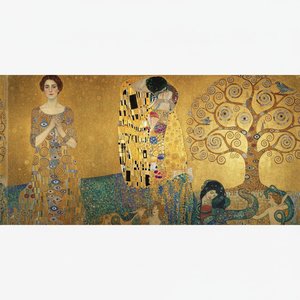
Obras Maestras de Gustav Klimt: Las 25 Pinturas más Icónicas y Doradas
Explora las 25 obras maestras de Gustav Klimt y su brillo dorado. Descubre este tesoro del Art Nouveau en AllPaintingsStore.com.

Las 10 Pinturas Más Famosas Dominadas por el Negro | Arte y Decoración
Descubre las 10 pinturas más impactantes dominadas por el negro. Explora obras maestras de Rembrandt, Goya y Rothko, su historia y significado. Encuentra reproducciones de arte exclusivas para transformar tu hogar en .


