


 Ver en contexto
 Enviar
 Compartir
 Detalles
 Guía
Guía

 Descargar
 Similares
 Radiografía
 Presentación de diapositivas
 Q&A
Q&A Estadísticas
Inner Forces
 Acrylic On Canvas
- WallArt
- Abstract Expressionism
 1939
1939 30.0 x 21.0 cm
 Ver más
Giclée / Impresión de arte
Impresiones giclée o en lienzo de calidad de museo con producción rápida y opciones de acabado flexibles. ( Comprar pintura hecha a mano Cambiar a imagen digital)




P118B €10

P118H €10

P118W €10

P438Z €10

P508JH €12

P508YH €12

P805H €10

P805Z €10

P919BZ €10

P919G €10

P919XJ €10

P959ZH €10

P968JZ €12

W106C €8

W218G €10

W218JH €8

W218Y €10

W307PJ €10

W316G €10

W316PJ €8

W316Y €10

W398PJ €8

W4111J €10

W500HY €15

W500JH €15

W692G €12

W849H €8

W940BG €15

W953PJ €8




Elija entre nuestros tamaños predefinidos que respetan las proporciones originales de la obra.

Introduzca el ancho y el alto que necesite para adaptarse a su marco o pared. Una impresión solo puede recortarse, nunca hacerse más grande que la imagen original, por lo que un tamaño con una forma distinta perderá parte de la obra. Le enviaremos una maqueta digital para su aprobación antes de realizar cualquier impresión. La imagen que se muestra en esta página no refleja el recorte real; solo la maqueta lo hace.
Envío a todo el mundo () en 2 semanas en lugar de las 4/5 semanas estándar. (28 octubre)

Envío exprés gratuito a todo el mundo

Lienzo de lino de alta calidad

Seguro de envío total

Garantía de reembolso de aranceles aduaneros

Garantía de fidelidad cromática exacta

Política de devolución de 100 días (solo por defectos)

Garantía de devolución del 100% del dinero

Descuento por cantidad
 La opción de vidrio solo está disponible en tamaños inferiores a 110 cm.

Inner Forces
Giclée / Impresión de arte
Dimensiones de la reproducción
-


Precio total final
€ 56
A Window Into Imagination: Paul Klee’s “Kreis”
Paul Klee's "Kreis" ("Circle"), created in 1939 during the tumultuous years of World War II, transcends mere geometric form to become a poignant emblem of resilience and an invitation into the artist’s inner world. Executed on paper measuring approximately 30 x 21 cm, this deceptively simple drawing embodies Klee's signature style—a masterful blend of abstraction and lyrical spontaneity that distinguishes him from his contemporaries. It represents more than just a circle; it is a visual manifestation of Klee’s preoccupation with cyclical patterns – recurring themes in nature, mythology, and human experience – reflecting an unwavering belief in the transformative power of repetition and renewal amidst adversity.The Style of Playful Abstraction
Klee's artistic vision was rooted in a profound rejection of representational art, prioritizing instead the exploration of emotional resonance and perceptual ambiguity. Unlike Picasso or Matisse, who sought to capture recognizable subjects with meticulous detail, Klee deliberately obscured boundaries between figure and ground, creating compositions that shimmered with layered textures and suggestive contours. This approach aligns perfectly with the burgeoning Surrealist movement, which championed dreamlike imagery and irrational juxtapositions as pathways to accessing subconscious realms. However, Klee’s style remained uniquely his own—characterized by a distinctive “Klee-esque” handwriting, meticulously applied in varying thicknesses and orientations, adding an element of tactile immediacy to the artwork's visual surface.Technique: Watercolor and Pencil on Paper
The execution of "Kreis" demonstrates Klee’s mastery of watercolor and pencil techniques—a combination that allowed him to achieve remarkable tonal gradations and textural contrasts. Layers of diluted watercolor pigment were delicately brushed onto the paper, establishing a foundational wash of muted hues – predominantly blues and greens – evoking the serenity of alpine landscapes, a recurring motif in Klee's oeuvre. Overlaid with precise pencil lines, these contours delineate the circle’s boundaries while simultaneously introducing subtle variations in tone and hatching patterns. The interplay between watercolor and pencil creates an illusionistic depth that defies the drawing’s two-dimensional format, inviting viewers to contemplate the relationship between visible and invisible realms.Historical Context: Facing Uncertainty
“Kreis” was produced during a period of profound geopolitical instability—the Second World War casting a long shadow over Europe and disrupting artistic production across the continent. Despite the anxieties of his time, Klee remained steadfast in his commitment to artistic experimentation, refusing to succumb to pressures for conformity or propaganda. The circle itself can be interpreted as a symbol of wholeness, unity, and protection – concepts that resonated deeply with Klee’s humanist sensibilities. It represents an affirmation of life's inherent beauty and resilience—a quiet defiance against the horrors unfolding beyond his studio walls.Symbolism: Recurring Motifs and Inner Reflection
Beyond its formal qualities, “Kreis” is laden with symbolic significance—reflecting Klee’s fascination with archetypal imagery and his exploration of psychological themes. The circle embodies concepts such as eternity, cosmic order, and the cyclical nature of time – mirroring Klee's belief that art could transcend immediate circumstances and communicate universal truths. Furthermore, the artist’s handwriting itself serves as a conduit for introspection—representing Klee’s inner voice and conveying his emotional state through visual marks. The drawing encourages contemplation on themes of vulnerability, strength, and transformation—inviting viewers to engage in their own personal dialogues with the artwork's profound message.Emotional Impact: A Balm for Troubled Times
Ultimately, “Kreis” possesses an enduring emotional impact—offering solace and inspiration amidst periods of uncertainty and hardship. Its understated elegance and harmonious composition convey a sense of calm reassurance—a reminder that beauty can flourish even in the face of darkness. The drawing’s subtle textural contrasts stimulate visual perception while simultaneously fostering contemplation on themes of resilience and renewal. “Kreis” stands as testament to Klee's unwavering belief in art's capacity to illuminate the human spirit—leaving viewers with a lingering impression of wonder and gratitude for encountering this extraordinary work of art.Preguntas y respuestas
¿Qué nivel de luminancia tiene "Inner Forces" de Paul Klee?
La luminancia registrada para "Inner Forces" de Paul Klee es Luminous.
¿Qué uso y espacio se recomiendan para "Inner Forces" de Paul Klee?
Se recomienda el uso de (Accent) y su ubicación en (Living Room) para "Inner Forces" de Paul Klee.
¿Quién es el autor y en qué fecha se creó "Inner Forces"?
Paul Klee creó "Inner Forces" en 1939.
Obras relacionadas


Biografía del artista
Paul Klee: Una Vida en Color y Forma
Primeros Años y Educación
- Paul Klee nació el 18 de diciembre de 1879, en Münchenbuchsee, Suiza.
- Su padre era profesor de música alemán y su madre una cantante suiza, fomentando una temprana apreciación por las artes.
- Inicialmente, Klee se dedicó al dibujo pero finalmente abandonó la representación realista en favor de formas más expresivas.
- Estudió en la Academia de Bellas Artes de Múnich entre 1898 y 1901.
Desarrollo Artístico e Influencias
- La obra temprana de Klee mostraba influencias del Art Nouveau y el Simbolismo, pero rápidamente comenzó a desarrollar su estilo único.
- Un viaje crucial a Túnez en 1914 impactó profundamente su uso del color y la abstracción – la luz y la atmósfera inspiraron un cambio hacia paletas más audaces.
- Estuvo influenciado por movimientos como el Expresionismo, el Cubismo y el Surrealismo, aunque nunca se alineó completamente con ninguno de ellos.
- Su interés en la música informó profundamente su enfoque artístico, a menudo comparando la pintura con la composición musical.
Los Años Bauhaus y Más Allá
- De 1931 a 1933, Klee enseñó en la influyente escuela Bauhaus de arte, diseño y arquitectura junto a Wassily Kandinsky.
- Este período vio florecer su obra abstracta, explorando la teoría del color y las relaciones formales.
- Con el ascenso del nazismo en Alemania, Klee fue despedido de la Bauhaus en 1933 debido a su “arte degenerado”.
- Regresó a Suiza y continuó pintando, pero su salud se deterioró durante este tiempo.
Temas Principales y Estilo Artístico
- La obra de Klee se caracteriza por una exploración juguetona pero profunda del color, la línea y la forma.
- A menudo empleaba imágenes infantiles y composiciones caprichosas, impregnadas de significado simbólico.
- Temas recurrentes incluyen jardines, paisajes, retratos y arreglos abstractos.
- Sus “Cuadernos de Paul Klee”, publicados póstumamente, revelan sus extensas investigaciones teóricas sobre el color y el diseño.
Legado e Importancia Histórica
- Paul Klee murió el 29 de junio de 1940, en Muralto, Suiza.
- Se considera uno de los artistas más importantes del siglo XX, conectando el abismo entre el arte figurativo y el abstracto.
- Su uso innovador del color y sus escritos teóricos continúan inspirando a artistas e diseñadores hoy en día.
- La obra de Klee sigue siendo muy buscada por coleccionistas y museos de todo el mundo, consolidando su lugar como una figura icónica en la historia del arte moderno.
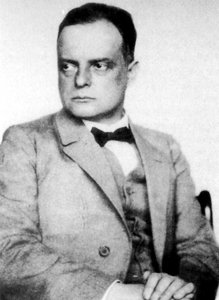
Paul Klee
1879 - 1940 , Suiza
Datos clave
- Fecha De Fallecimiento: 29 de junio de 1940
- Fecha De Nacimiento: 18 de diciembre de 1879
- Lugar De Nacimiento: Münchenbuchsee, Suiza
- Movimiento Artístico:
- Expresionismo
- Cubismo
- Surrealismo
- Nacionalidad: Suizo-alemán
- Nombre Completo: Paul Klee
- Obras Notables:
- Ritmos RojoVerde y VioletaAmarillo
- Contemplación
- En las casas de Saint Germain
- Nubes sobre Bor
- Hermanos
- Carta Fantasma
- Flora sobre rocas Sol
Artículos relacionados

Blanco Sublime: Los 10 Cuadros Más Famosos Dominados por la Luz y el Color
Descubre los 10 cuadros blancos más emblemáticos de la historia del arte. Explora Monet, Van Gogh y Klimt, y su magistral uso de la luz y el color. Encuentra reproducciones de alta calidad e inspírate para tu decoración en .
Paul Klee: A Poetics of Form and Color – Exploring the Inner Landscape of a Modern Master
Explore the captivating world of Paul Klee! Discover his innovative art, Bauhaus influence, & unique symbolic language. Expert analysis & high-quality reproductions at AllPaintingsStore.

Abstracción Geométrica: 10 Obras Maestras que Transformaron el Arte Moderno | AllPaintingsStore
Descubre las 10 obras maestras de la abstracción geométrica que revolucionaron el arte moderno. Explora a Mondrian, Malevich y Kandinsky en AllPaintingsStore.com. Reproducciones de alta calidad para tu hogar.
Paul Cézanne: Las 25 Obras Maestras que Definieron el Arte Moderno | AllPaintingsStore
Descubre las 25 obras maestras de Paul Cézanne que revolucionaron el arte moderno. Explora su técnica, inspiración y significado en paisajes, bodegones y retratos. Reproducciones de alta calidad para decorar tu hogar con arte inolvidable. ¡Explora la colección completa en AllPaintingsStore.com!

Paul Klee: Las 25 Obras Maestras que Definen un Genio del Arte Moderno | AllPaintingsStore
Descubre las 25 obras maestras de Paul Klee, el genio del arte moderno. Explora su expresionismo único, composiciones abstractas y vibrantes paletas de colores. Reproducciones de alta calidad y decoración con arte en AllPaintingsStore.com.


