


 Vista previa
 Compartir
 Compartir
 Ver detalles

 Descargar
 Ver similares
 Radiografía
 Presentación de diapositivas
Temple Gardens


 Leer más
Giclée / Impresión de arte
Impresiones giclée o en lienzo de calidad de museo con producción rápida y opciones de acabado flexibles. ( Encargar reproducción pintada a mano Comprar descarga)




P118B $10

P118H $10

P118W $10

P438Z $10

P508JH $12

P508YH $12

P805H $10

P805Z $10

P919BZ $10

P919G $10

P919XJ $10

P959ZH $10

P968JZ $12

W106C $8

W218G $10

W218JH $8

W218Y $10

W307PJ $10

W316G $10

W316PJ $8

W316Y $10

W398PJ $8

W4111J $10

W500HY $15

W500JH $15

W692G $12

W849H $8

W940BG $15

W953PJ $8




Elija entre nuestros tamaños predefinidos que respetan las proporciones originales de la obra.

Puede introducir sus propias dimensiones para adaptarse a un marco o espacio específico. Si el tamaño seleccionado no coincide con las proporciones de la imagen original, recortaremos la obra de arte o extenderemos la imagen con un borde con efecto espejo o de color sólido. Se enviará una maqueta digital para su aprobación antes de que comience la producción.
Tenga en cuenta que la vista previa en pantalla no refleja el recorte o la extensión real. Solo la maqueta mostrará con precisión la composición final.
Aunque existen tamaños personalizados, recomendamos seleccionar una dimensión de la lista predefinida para preservar las proporciones originales.
Envío a todo el mundo () en 2 semanas en lugar de las 4/5 semanas estándar. (21 agosto)

Envío exprés gratuito a todo el mundo

Lienzo de lino de alta calidad

Seguro de envío completo

Garantía de reembolso de aranceles aduaneros

Garantía de fidelidad cromática exacta

Política de devolución de 60 días (solo por defectos)

Garantía de devolución del 100% del dinero

Oferta por volumen
 La opción de vidrio solo está disponible en tamaños inferiores a 110 cm.

Temple Gardens
Giclée / Impresión de arte
Tamaño de la reproducción
-


Precio total
$ 64
Descripción de la pieza
The Genesis of a Fragmented World
Paul Klee's “Three Panels,” painted circa 1920, isn’t merely a collection of landscapes; it’s a carefully constructed meditation on perception, memory, and the fractured nature of experience. Emerging from the fertile artistic ground of early 20th-century Switzerland – a period marked by both fervent experimentation and a deep connection to folklore – Klee sought to move beyond representational accuracy and delve into the subjective realm of emotion. The painting’s genesis lies in his fascination with musical composition, believing that visual art could mirror the structure and harmony found within sound. This influence is immediately apparent in the deliberate layering of color and form, creating a dynamic tension between the individual panels.
- Yellow Panel: Dominated by a stylized tree against a vibrant yellow background, this panel evokes a sense of primal energy and perhaps even a yearning for renewal. The single figure suggests a solitary observer contemplating nature’s enduring power.
- Orange Panel: Featuring a simplified building set within an orange expanse, the second panel hints at urban life – a stark contrast to the natural world depicted in the first. It could represent the encroachment of modernity and its impact on traditional landscapes.
- Red Panel: The final panel presents a mountainous scene bathed in red light, conveying a feeling of both grandeur and potential danger. The gathering of figures around a hearth suggests community and warmth amidst the imposing landscape.
A Dance of Color and Technique
Klee’s technique is characterized by its meticulous layering of thin washes of color, applied with a delicate touch. He employed a method he termed “gouache,” a water-based opaque paint that allowed for subtle gradations and the creation of luminous effects. The brushstrokes are rarely visible, contributing to the painting's ethereal quality. Notice how he builds up color in thin glazes, creating an almost stained-glass effect within each panel. This technique wasn’t simply about visual beauty; it was a deliberate attempt to capture the fleeting nature of light and shadow, mirroring the ephemeral qualities of memory.
Key Techniques:- Gouache Painting: The foundation of Klee's color palette.
- Layered Glazes: Creating depth and luminosity through multiple thin applications of paint.
- Controlled Brushwork: Employing delicate, almost invisible brushstrokes to achieve a sense of harmony and balance.
Symbolic Resonance and the Zeitgeist
“Three Panels” resonates deeply with the intellectual currents of its time – the rise of Surrealism, the exploration of the unconscious mind, and the growing interest in folklore and mythology. The fragmented composition reflects a broader cultural anxiety about the loss of traditional values and the disorientation brought on by rapid social change. The recurring motifs—the tree, the building, the mountains—are archetypal symbols that tap into universal human experiences. Klee’s use of these elements suggests a desire to find meaning in a world increasingly defined by uncertainty.
Emotional Impact and Artistic Legacy
Ultimately, “Three Panels” is a profoundly moving work that invites the viewer to engage in a personal dialogue with its imagery. The painting's emotional impact stems from Klee’s masterful manipulation of color and form, creating a sense of both tranquility and unease. It stands as a testament to his innovative approach to art-making and his ability to capture the complexities of human experience. Today, reproductions of “Three Panels” continue to inspire artists and collectors alike, offering a glimpse into the visionary world of one of 20th century’s most influential figures.
Obras relacionadas


Biografía del artista
Paul Klee: Una Vida en Color y Forma
Primeros Años y Educación
- Paul Klee nació el 18 de diciembre de 1879, en Münchenbuchsee, Suiza.
- Su padre era profesor de música alemán y su madre una cantante suiza, fomentando una temprana apreciación por las artes.
- Inicialmente, Klee se dedicó al dibujo pero finalmente abandonó la representación realista en favor de formas más expresivas.
- Estudió en la Academia de Bellas Artes de Múnich entre 1898 y 1901.
Desarrollo Artístico e Influencias
- La obra temprana de Klee mostraba influencias del Art Nouveau y el Simbolismo, pero rápidamente comenzó a desarrollar su estilo único.
- Un viaje crucial a Túnez en 1914 impactó profundamente su uso del color y la abstracción – la luz y la atmósfera inspiraron un cambio hacia paletas más audaces.
- Estuvo influenciado por movimientos como el Expresionismo, el Cubismo y el Surrealismo, aunque nunca se alineó completamente con ninguno de ellos.
- Su interés en la música informó profundamente su enfoque artístico, a menudo comparando la pintura con la composición musical.
Los Años Bauhaus y Más Allá
- De 1931 a 1933, Klee enseñó en la influyente escuela Bauhaus de arte, diseño y arquitectura junto a Wassily Kandinsky.
- Este período vio florecer su obra abstracta, explorando la teoría del color y las relaciones formales.
- Con el ascenso del nazismo en Alemania, Klee fue despedido de la Bauhaus en 1933 debido a su “arte degenerado”.
- Regresó a Suiza y continuó pintando, pero su salud se deterioró durante este tiempo.
Temas Principales y Estilo Artístico
- La obra de Klee se caracteriza por una exploración juguetona pero profunda del color, la línea y la forma.
- A menudo empleaba imágenes infantiles y composiciones caprichosas, impregnadas de significado simbólico.
- Temas recurrentes incluyen jardines, paisajes, retratos y arreglos abstractos.
- Sus “Cuadernos de Paul Klee”, publicados póstumamente, revelan sus extensas investigaciones teóricas sobre el color y el diseño.
Legado e Importancia Histórica
- Paul Klee murió el 29 de junio de 1940, en Muralto, Suiza.
- Se considera uno de los artistas más importantes del siglo XX, conectando el abismo entre el arte figurativo y el abstracto.
- Su uso innovador del color y sus escritos teóricos continúan inspirando a artistas e diseñadores hoy en día.
- La obra de Klee sigue siendo muy buscada por coleccionistas y museos de todo el mundo, consolidando su lugar como una figura icónica en la historia del arte moderno.
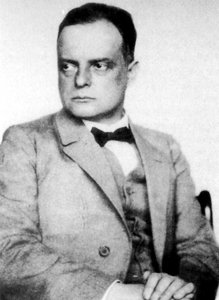
Paul Klee
1879 - 1940 , Suiza
Datos clave
- Fecha De Fallecimiento: 29 de junio de 1940
- Fecha De Nacimiento: 18 de diciembre de 1879
- Lugar De Nacimiento: Münchenbuchsee, Suiza
- Movimiento Artístico:
- Expresionismo
- Cubismo
- Surrealismo
- Nacionalidad: Suizo-alemán
- Nombre Completo: Paul Klee
- Obras Notables:
- Ritmos RojoVerde y VioletaAmarillo
- Contemplación
- En las casas de Saint Germain
- Nubes sobre Bor
- Hermanos
- Carta Fantasma
- Flora sobre rocas Sol
Artículos relacionados

Paul Klee: Las 25 Obras Maestras que Definen un Genio del Arte Moderno | AllPaintingsStore
Descubre las 25 obras maestras de Paul Klee, el genio del arte moderno. Explora su expresionismo único, composiciones abstractas y vibrantes paletas de colores. Reproducciones de alta calidad y decoración con arte en AllPaintingsStore.com.

Expresionismo Abstracto: 10 Obras Maestras que Transformaron el Arte |
Descubre las 10 obras maestras del Expresionismo Abstracto: Pollock, Rothko y más. Explora la historia, técnica y significado de estos lienzos icónicos. Reproducciones de arte exclusivas en .
Paul Klee: A Poetics of Form and Color – Exploring the Inner Landscape of a Modern Master
Explore the captivating world of Paul Klee! Discover his innovative art, Bauhaus influence, & unique symbolic language. Expert analysis & high-quality reproductions at AllPaintingsStore.

Abstracción Geométrica: 10 Obras Maestras que Transformaron el Arte Moderno | AllPaintingsStore
Descubre las 10 obras maestras de la abstracción geométrica que revolucionaron el arte moderno. Explora a Mondrian, Malevich y Kandinsky en AllPaintingsStore.com. Reproducciones de alta calidad para tu hogar.
Paul Cézanne: Las 25 Obras Maestras que Definieron el Arte Moderno | AllPaintingsStore
Descubre las 25 obras maestras de Paul Cézanne que revolucionaron el arte moderno. Explora su técnica, inspiración y significado en paisajes, bodegones y retratos. Reproducciones de alta calidad para decorar tu hogar con arte inolvidable. ¡Explora la colección completa en AllPaintingsStore.com!


