


 Ver en contexto
 Enviar
 Compartir
 Detalles
 Guía
Guía

 Descargar
 Similares
 Radiografía
 Presentación de diapositivas
 Preguntas y respuestas
 Estadísticas
Artemisia

- 98.0 x 105.0 cm


 Ver más
Obtenga un archivo listo para imprimir que supera con creces la vista previa web. Cada imagen digital que vendemos proviene de un maestro de alta resolución de nuestro archivo —generalmente de entre 5.000 y 15.000 píxeles de ancho— para que pueda realizar impresiones de gran formato, recortar con precisión o reproducir detalles minuciosos con total confianza.
Ningún archivo sale de nuestro estudio sin ser intervenido. Un experto digital coteja los colores con la pintura original y los corrige si es necesario, para luego mejorar la claridad y el detalle mediante herramientas de retoque profesional —siempre manteniendo la fidelidad a la pincelada y al estilo del artista. El resultado es una imagen que evoca la esencia de la pintura, no un escaneo con filtros.
Aprobación previa al finalizar: nuestro experto le enviará la imagen por correo electrónico en un plazo de 72 horas para su revisión. ¿No está satisfecho? Puede solicitar mejoras o correcciones, o pedir un reembolso si la calidad no cumple con sus expectativas.
Esta es la calidad en la que confían editoriales, estudios de diseño, galerías e imprentas.
Imagen Digital
Descarga un archivo de alta resolución para exhibición personal, impresión y proyectos creativos. ( Cambiar a impresiones Comprar pintura hecha a mano)
Incluido en cada pedido de imágenes digitales
Entrega digital experta, garantizada.
Al elegir AllPaintingsStore.com, no solo está adquiriendo una imagen; está recibiendo una obra de arte digital mejorada profesionalmente, elaborada con precisión y respaldada por una garantía de satisfacción. Esto es todo lo que incluye su pedido, automáticamente:

Entrega rápida por email
Recibirá su archivo de imagen digital en alta resolución por correo electrónico en un plazo de 72 horas tras realizar su pedido, listo para su uso inmediato.

Archivo digital optimizado por IA
Su obra de arte se optimiza profesionalmente mediante herramientas avanzadas de IA y edición manual, garantizando el máximo detalle, claridad y precisión cromática.

Reenvío gratuito de por vida
¿Has borrado o perdido tu archivo por error? No te preocupes: te lo volveremos a enviar en cualquier momento, sin coste adicional.

Sin gastos de importación, siempre
Disfrute de su obra de arte al instante sin aduanas, aranceles ni gastos de envío; las descargas digitales siempre están libres de impuestos.

Garantía de fidelidad de color
Garantizamos que su imagen digital refleje los colores originales con la mayor fidelidad posible, mediante el uso de herramientas profesionales y gestión del color.

Garantía de satisfacción de 100 días
Si no está satisfecho con su imagen digital, la revisaremos o le reembolsaremos el 100% en un plazo de 100 días, sin preguntas.

100% Garantía de devolución de dinero
¿No está satisfecho? Obtenga un reembolso completo dentro de los 100 días posteriores a la recepción de su archivo digital, sin necesidad de explicaciones.

Descuentos por pedidos grandes
Compra 3 imágenes, ahorra 10% - Compra 5, ahorra 15% - Compra 10+, ahorra 20%. Ideal para proyectos creativos, galerías y agencias.
Una visión de resiliencia: La obra maestra de Rubens, Artemisia
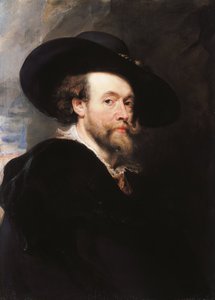
En el gran tapiz de la era barroca, pocos retratos cautivan la atención del espectador con una profundidad psicológica tan profunda como la obra maestra de 1615 de Peter Paul Rubens, Artemisia. No se trata simplemente de la representación de una mujer noble; es un encuentro evocador con un alma forjada en el fuego. A través de su pincel magistral, Rubens captura el parecido de Artemisia Gentileschi, una mujer cuya vida estuvo definida tanto por inmensos triunfos artísticos como por desgarradoras luchas personales. La pintura sirve como un puente impresionante entre el mundo físico y el paisaje interno de la resistencia humana, convirtiéndola en una pieza central de una gravedad emocional sin parangón para cualquier coleccionista exigente.
La composición es una clase magistral de claroscuro, donde el dramático juego de luces y sombras insufla vida a cada pliegue de la tela y a cada destello de expresión. Rubens emplea una paleta rica y vibrante que subraya la teatralidad de la escena, dirigiendo la mirada hacia la figura central, cuya mirada permanece firme e inquebrantable. A medida que la luz se derrama sobre el lienzo, ilumina la corona regia sobre su cabeza, un símbolo deliberado de su soberanía intelectual y de su estatus tan arduamente ganado dentro de un panorama artístico dominado por hombres. La meticulosa representación de las texturas, desde el brillo pesado de los lujosos tejidos hasta la sutil calidez de los tonos de piel, crea una profundidad ilusionista que invita al espectador a adentrarse directamente en este momento histórico.
Simbolismo y espíritu barroco
Más allá de su brillantez técnica, la obra está impregnada de la compleja atmósfera sociorreligiosa de la Contrarreforma. Creado durante una época de intenso fervor religioso y jerarquías sociales en transformación, el retrato funciona como una alegoría de la fortaleza. La presencia de las figuras circundantes, absortas en lo que parece ser un momento de enfoque compartido o discusión académica, aporta un sentido de gravedad comunitaria que contrasta con el poder singular e introspectivo de la propia Artemisia. Cada elemento, desde la forma en que la luz incide en el cuenco ante ella hasta las sombras sutiles que ocultan los rostros de sus admiradores, contribuye a una narrativa de dignidad mantenida en medio del caos.
Para quienes buscan integrar una pieza de tal magnitud en un interior curado, Artemisia ofrece más que mera belleza estética; proporciona un tema de conversación que evoca conceptos de agencia y resiliencia. La capacidad de la pintura para anclar una estancia con su presencia sombría pero magnífica la convierte en una elección ideal para espacios sofisticados, ya sea un estudio formal, un gran comedor o una galería contemporánea. Es una obra que no se limita a decorar una pared, sino que enriquece la atmósfera misma de un hogar, ofreciendo una ventana atemporal al triunfo del espíritu humano a través del lente del esplendor barroco.
Preguntas y respuestas
¿Qué orientación tiene "Artemisia" de Pedro Pablo Rubens?
"Artemisia" de Pedro Pablo Rubens es una composición en Cuadrado. Se recomienda revisar las proporciones antes de elegir un tamaño de impresión.
¿Qué atmósfera transmite "Artemisia"?
"Artemisia" de Pedro Pablo Rubens se describe con un ambiente Dramático. Esta clasificación puede ayudar a combinar la obra con un entorno.
¿Qué color predomina en "Artemisia"?
El color que más destaca en "Artemisia" es el Café intenso (#564836). El color dominante resulta muy útil a la hora de combinar una obra de arte con un espacio interior.
Obras relacionadas


Biografía del artista
A Life Forged in Baroque Splendor
Sir Peter Paul Rubens, a name synonymous with the very essence of Baroque dynamism, was far more than simply a painter; he was a diplomat, a scholar, and a cultural architect who fundamentally reshaped the artistic landscape of 17th-century Europe. Born in Siegen, Germany, in 1577, his early life was marked by displacement—a formative experience that subtly permeated his later work with an undercurrent of drama and emotional depth. His father, Jan Rubens, a lawyer fleeing religious persecution for his Calvinist beliefs, uprooted the family from their native Antwerp, then under Spanish rule. This initial exile instilled in young Peter Paul a sense of resilience and adaptability—qualities that would serve him well throughout his multifaceted career. Following his father’s death in 1587, the family returned to Antwerp, where he received a humanist education before embarking on his artistic training around 1590, apprenticing under Tobias Verhaecht and Adam van Noort, honing foundational skills in drawing and painting techniques. However, it was his time with Otto van Veen that proved pivotal, exposing him to the rich legacy of Italian Renaissance art—a world he would soon embrace wholeheartedly.The Italian Awakening and Artistic Synthesis
In 1600, Rubens embarked on a transformative journey to Italy, a pilgrimage that irrevocably shaped his artistic vision. For eight years, he immersed himself in the masterpieces of Michelangelo, Raphael, and Titian, absorbing their mastery of form, color, and composition. The influence of these Renaissance giants is readily apparent in his early Italian works, characterized by classical themes and idealized figures—a testament to his meticulous study of antiquity. Yet, Rubens didn’t merely imitate; he synthesized these influences with his own innate talent, developing a distinctive style marked by vibrant hues, dynamic compositions, and a sensuous depiction of the human form. He studied anatomy meticulously, resulting in figures that possessed both physical realism and emotional power—robust bodies imbued with life and movement. This period wasn’t solely about artistic development; it was a profound intellectual awakening, fostering a deep appreciation for classical mythology and literature which would become recurring motifs throughout his oeuvre. The intensity of the Italian light, the dramatic use of color, and the sheer scale of the works he encountered profoundly impacted his approach to painting. Upon returning to Antwerp in 1608, Rubens swiftly established himself as the leading artist of his time, receiving a flood of commissions that testified to his burgeoning reputation and solidifying his position at the forefront of Flemish art.A Master of Many Forms: Painting Beyond Boundaries
Rubens’s artistic output was astonishingly diverse and prolific. He didn't confine himself to a single genre; instead, he excelled in history paintings, mythological scenes, portraits, landscapes, and religious works—a testament to his versatility and boundless creativity. His large-scale canvases, often intended for churches, palaces, and public spaces, were breathtaking displays of technical virtuosity and dramatic storytelling. The Descent from the Cross (c. 1616-1617) exemplifies his masterful use of light and shadow to create a scene of profound emotional intensity—a moment of grief and sacrifice rendered with unparalleled drama. The Raising of the Cross (1610-1611), with its swirling figures and dynamic composition, showcases his ability to convey movement and energy—a hallmark of his Baroque style. Even in seemingly static subjects like The Judgement of Paris (c. 1636), Rubens infused a sense of life and vitality through his vibrant color palette and sensual depiction of the human form. His technique was equally remarkable – a masterful command of oil painting, employing impasto to create texture and depth, alongside delicate glazing techniques to achieve luminous effects. He frequently employed allegorical figures and symbolic imagery, layering narratives with complex meanings that invited contemplation and interpretation. Rubens’s workshop produced an astonishing volume of work, often involving numerous assistants who helped him realize his ambitious visions.The Diplomatic Years and Legacy
Beyond his artistic achievements, Rubens played a significant role in the political affairs of Europe. His diplomatic skills were highly sought after by the Southern Netherlands (modern-day Belgium), and he undertook numerous missions to England, France, and Spain, negotiating treaties and fostering political alliances—a unique dual role that afforded him a nuanced perspective on European affairs and further enhanced his reputation as a man of intellect and influence. In 1622, Rubens was commissioned by Maria de Medici, widow of King Henry IV of France, to decorate two entire galleries in her palace at Versailles. This ambitious project proved fraught with difficulties due to the Queen’s unpredictable nature and the interference of Cardinal Richelieu, ultimately leading to its incomplete abandonment. Despite this setback, Rubens continued his diplomatic endeavors, traveling extensively throughout Europe and solidifying his connections with powerful figures. In 1625, a devastating plague swept through Antwerp, claiming the lives of many residents, including Rubens’s beloved wife, Isabella Brant. This profound loss deeply affected him, yet he persevered in his work, continuing to paint and serve as a diplomat until his death in 1640. His legacy extends far beyond his artistic creations; he is remembered as a pioneering figure who bridged the gap between art and politics, leaving an indelible mark on the cultural landscape of Europe.Key Characteristics of Rubens’s Style
- Dynamic Composition: Rubens' paintings are known for their energetic and dramatic arrangements of figures—a hallmark of Baroque art.
- Vibrant Color Palette: He employed a rich, warm color scheme that brought his canvases to life—often utilizing contrasting hues to heighten drama.
- Sensuous Figures: His depictions of the human form were characterized by fullness, vitality, and often, overt sensuality—reflecting the Renaissance ideal of beauty.
- Masterful Use of Light and Shadow: Rubens skillfully manipulated light and shadow to create depth, drama, and emotional impact—a technique known as chiaroscuro.
- Allegorical Symbolism: His works frequently incorporated allegorical figures and symbolic imagery, adding layers of meaning and complexity.
Pedro Pablo Rubens
1577 - 1640 , Alemania
Breves datos
- Artistic Movement Or Style: Barroco
- Artists Or Movements Influenced By This Artist:
- Van Dyck
- Jordaens
- Artists Who Influenced This Artist:
- Miguel Ángel
- Rafael
- Tiziano
- Date Of Birth: 1577
- Date Of Death: 1640
- Full Name: Sir Peter Paul Rubens
- Nationality: Flamenco
- Notable Artworks:
- Descenso de la Cruz
- Rayo de luz
- Place Of Birth: Siegen, Alemania