


 Ver en contexto
 Enviar
 Compartir
 Detalles
 Guía
Guía

 Descargar
 Similares
 Radiografía
 Presentación de diapositivas
 Q&A
Q&A Estadísticas
Rapha Maitre


 Ver más
Giclée / Impresión de arte
Impresiones giclée o en lienzo de calidad de museo con producción rápida y opciones de acabado flexibles. ( Comprar pintura hecha a mano Cambiar a imagen digital)




P118B €10

P118H €10

P118W €10

P438Z €10

P508JH €12

P508YH €12

P805H €10

P805Z €10

P919BZ €10

P919G €10

P919XJ €10

P959ZH €10

P968JZ €12

W106C €8

W218G €10

W218JH €8

W218Y €10

W307PJ €10

W316G €10

W316PJ €8

W316Y €10

W398PJ €8

W4111J €10

W500HY €15

W500JH €15

W692G €12

W849H €8

W940BG €15

W953PJ €8




Elija entre nuestros tamaños predefinidos que respetan las proporciones originales de la obra.

Introduzca el ancho y el alto que necesite para adaptarse a su marco o pared. Una impresión solo puede recortarse, nunca hacerse más grande que la imagen original, por lo que un tamaño con una forma distinta perderá parte de la obra. Le enviaremos una maqueta digital para su aprobación antes de realizar cualquier impresión. La imagen que se muestra en esta página no refleja el recorte real; solo la maqueta lo hace.
Envío a todo el mundo () en 2 semanas en lugar de las 4/5 semanas estándar. (1 noviembre)

Envío exprés gratuito a todo el mundo

Lienzo de lino de alta calidad

Seguro de envío total

Garantía de reembolso de aranceles aduaneros

Garantía de fidelidad cromática exacta

Política de devolución de 100 días (solo por defectos)

Garantía de devolución del 100% del dinero

Descuento por cantidad
 La opción de vidrio solo está disponible en tamaños inferiores a 110 cm.

Rapha Maitre
Giclée / Impresión de arte
Dimensiones de la reproducción
-


Precio total final
€ 57
Un vistazo a la vida parisina: Revelando el Rapha Maitre de Renoir
La obra maestra de Pierre-Auguste Renoir de 1871, Rapha Maitre, ofrece una ventana cautivadora al floreciente mundo del impresionismo y al celebrado enfoque del artista hacia la belleza y la vida moderna. Actualmente alojado en el Smith College Museum of Art, este óleo sobre lienzo es más que un simple retrato; es una evocación de elegancia, intimidad y los momentos fugaces que definen la experiencia humana.El sujeto y la composición: Un estudio de ocio refinado
La pintura se centra en una mujer, la propia Rapha Maitre, representada con una dignidad serena y un encanto sutil. Se encuentra sentada —probablemente en un sofá o una silla—, con una pose relajada pero que posee una gracia inherente. Renoir dirige magistralmente nuestra mirada hacia su rostro, plasmado con un detalle meticuloso que captura el atisbo de una sonrisa, dotando a la composición de calidez y cercanía. El fondo presenta figuras indistintas, deliberadamente suavizadas para enfatizar a Rapha Maitre como punto focal, atrayendo al espectador hacia su esfera personal. Esta elección compositiva subraya la habilidad de Renoir para crear narrativa a través de la jerarquía visual.Técnica impresionista: Luz, color y textura
Rapha Maitre es un ejemplo por excelencia del estilo impresionista de Renoir. El artista emplea una paleta vibrante, dejando de lado la tradicional restricción académica en favor de un juego dinámico de color que captura los efectos de la luz. La pincelada es característicamente suelta y plumosa, fundiéndose sin interrupciones para crear una textura aterciopelada que aporta profundidad y realismo al sujeto. Esta técnica no busca la réplica precisa; se trata de transmitir una impresión: una experiencia sensorial de luz, forma y atmósfera. La paleta de colores fragmentados contribuye a este efecto, permitiendo que el ojo del espectador mezcle los tonos y complete la imagen.Contexto histórico: El amanecer del impresionismo
Pintada durante un período de cambios artísticos radicales, Rapha Maitre encarna el espíritu del movimiento impresionista. Surgido en Francia a finales del siglo XIX, el impresionismo rechazó las rígidas convenciones de la pintura académica, favoreciendo los escenarios al aire libre y capturando las cualidades efímeras de la vida moderna. Renoir, junto con artistas como Monet y Degas, buscó representar el mundo tal como lo veían, y no como se representaba convencionalmente. Esto marcó un cambio significativo en las prioridades artísticas, allanando el camino para los futuros movimientos de vanguardia.Simbolismo y resonancia emocional
Aunque parece sencilla a primera vista, Rapha Maitre transmite sutilmente un simbolismo a través de sus detalles. El atuendo de la mujer—una chaqueta de rayas blancas y negras y una pajarita oscura—sugiere a una parisina elegante de la época. La atmósfera general es de contemplación tranquila y ocio refinado. Más allá de lo superficial, la pintura evoca una sensación de intimidad e invita a los espectadores a conectar con el sujeto a un nivel emocional. No es meramente un retrato; es un vistazo a un momento de existencia pacífica, bellamente plasmado por la mano maestra de Renoir.Una obra maestra atemporal para los espacios de hoy
Rapha Maitre continúa resonando con el público actual debido a su belleza perdurable y su profundidad emocional. Su armoniosa paleta de colores y su elegante composición lo convierten en una adición versátil para cualquier interior, aportando sofisticación y estilo artístico. Ya sea que usted sea un coleccionista de arte en busca de una pieza significativa o un diseñador de interiores en busca de inspiración, Rapha Maitre ofrece una estética atemporal que trasciende las tendencias. Una reproducción de alta calidad de esta obra se convertirá, sin duda, en un punto focal preciado en cualquier hogar u oficina.Preguntas y respuestas
¿Qué color predomina en la composición de "Rapha Maitre" de Pierre-Auguste Renoir?
El color que más destaca en "Rapha Maitre" es el Verde ftalocianina (#1e1d15). El color dominante resulta muy útil a la hora de combinar una obra de arte con un espacio interior.
¿Es Pierre-Auguste Renoir, autor de "Rapha Maitre", conocido por otros nombres?
Pierre-Auguste Renoir también es conocido por los nombres Auguste Renoir, Renoir.
¿Cuál es el tono predominante de "Rapha Maitre" de Pierre-Auguste Renoir?
Un tono Del ocre al sepia recorre "Rapha Maitre" de Pierre-Auguste Renoir.
Obras relacionadas


Biografía del artista
vida temprana y carrera
pierre-auguste renoir, un artista francés fundamental, nació el 25 de febrero de 1841 en Limoges, Francia. Jugó un papel crucial a la hora de dar forma al movimiento impresionista, conocido por su luz vibrante y sus colores saturados. La obra de Renoir celebraba la belleza, particularmente la sensualidad femenina, colocándolo en una línea de artistas que se extendía desde Rubens hasta Watteau.legado artístico
El legado de Renoir se extendió más allá de su lienzo, como patriarca de una familia donde el arte florecía en diversas formas. Sus hijos, pierre renoir (1885–1952), el cineasta jean renoir (1894–1979) y el artista ceramista claude renoir (1901–1969), cada uno hizo contribuciones significativas en sus campos. Su nieto, el cineasta claude renoir (1913–1993), avanzó aún más la herencia artística de la familia.obras notables y museos
* dance at bougival, una pintura notable de Renoir, muestra su dominio para capturar la esencia del arte impresionista. * El musée des collettes, ubicado en Cagnes-sur-Mer, Francia, es un destino imprescindible para los amantes del arte. Este museo, que fue la casa de Pierre-Auguste Renoir, sirve como testimonio de su vida y obra, alberga quince de sus pinturas. * El musée maurice denis, otra joya oculta en Francia, presenta una impresionante colección de pinturas postimpresionistas franceses de finales del siglo XIX y principios del siglo XX.explora el arte de Renoir con AllPaintingsStore
- Descubre el encanto del musée des collettes (Francia) y su arte impresionista en AllPaintingsStore: [https://AllPaintingsStore.com/@@/a@d3aupf](https://AllPaintingsStore.com/@@/a@d3aupf)
- Explora las maravillas del musée maurice denis (Francia) con AllPaintingsStore: /es/art/show/art-d3aue3-es/
- Visualiza las pinturas de Renoir, incluyendo dance at bougival, en AllPaintingsStore: [https://AllPaintingsStore.com/@/pierre-auguste renoir](https://AllPaintingsStore.com/@/pierre-auguste%20renoir)
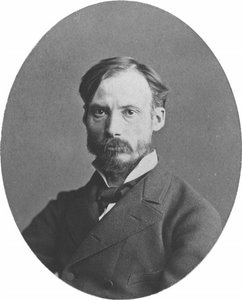
Pierre-Auguste Renoir
1841 - 1919 , Francia
Datos clave
- Artistas Que Influyeron:
- Rubens
- Watteau
- Camille Pissarro
- Édouard Manet
- Fecha De Fallecimiento: 3 de diciembre de 1919
- Fecha De Nacimiento: 25 de febrero de 1841
- Lugar De Nacimiento: Limoges, Francia
- Movimiento Artístico: Impresionismo
- Nacionalidad: Francés
- Nombre Completo: Pierre-Auguste Renoir
- Obras Notables:
- Baile en Bougival
- Almuerzo de la fiesta de remo
- Los grandes bañistas
- Dos hermanas
- Jóvenes tocando el piano
Artículos relacionados

The Enduring Legacy of Oil on Canvas: Technique, History & Aesthetic Impact
Explore the rich history & techniques of oil painting – from Renaissance masters to Impressionism. Discover pigments, layering methods, and why this timeless medium endures. Expert insights for artists & art enthusiasts.

Las 25 mejores obras de Pierre-Auguste Renoir: El alma del Impresionismo
Explora las 25 mejores obras de Renoir y la luz del impresionismo. ¡Descubre estas obras maestras en AllPaintingsStore.com!

Los 10 Maestros Impresionistas que Revolucionaron el Arte | AllPaintingsStore
Descubre los 10 cuadros impresionistas más influyentes de Monet, Renoir y Degas. Explora la historia, técnica y colores vibrantes del impresionismo. Encuentra reproducciones de arte exclusivas en AllPaintingsStore.com.

Los 10 Maestros del Paisaje Impresionista: Obras que Cambiaron la Historia del Arte
Descubre los 10 lienzos impresionistas que revolucionaron el arte. Explora la historia de Monet, Van Gogh y Renoir, sus técnicas y colores vibrantes. Encuentra reproducciones de alta calidad para decorar tu hogar en AllPaintingsStore.com

The Luminous World of Pierre-Auguste Renoir: An Exploration of Impressionism's Sensuous Embrace
Explore the captivating world of Pierre-Auguste Renoir! Discover his life, iconic Impressionist masterpieces & enduring legacy with our expert guide. High-quality reproductions available.


