


 Ver en contexto
 Enviar
 Compartir
 Detalles
 Guía
Guía

 Descargar
 Similares
 Radiografía
 Presentación de diapositivas
 Estadísticas
Hercules Standing


 Ver más
Giclée / Impresión de arte
Impresiones giclée o en lienzo de calidad de museo con producción rápida y opciones de acabado flexibles. ( Comprar pintura hecha a mano Cambiar a imagen digital)




P118B €10

P118H €10

P118W €10

P438Z €10

P508JH €12

P508YH €12

P805H €10

P805Z €10

P919BZ €10

P919G €10

P919XJ €10

P959ZH €10

P968JZ €12

W106C €8

W218G €10

W218JH €8

W218Y €10

W307PJ €10

W316G €10

W316PJ €8

W316Y €10

W398PJ €8

W4111J €10

W500HY €15

W500JH €15

W692G €12

W849H €8

W940BG €15

W953PJ €8




Elija entre nuestros tamaños predefinidos que respetan las proporciones originales de la obra.

Introduzca el ancho y el alto que necesite para adaptarse a su marco o pared. Una impresión solo puede recortarse, nunca hacerse más grande que la imagen original, por lo que un tamaño con una forma distinta perderá parte de la obra. Le enviaremos una maqueta digital para su aprobación antes de realizar cualquier impresión. La imagen que se muestra en esta página no refleja el recorte real; solo la maqueta lo hace.
Envío a todo el mundo () en 2 semanas en lugar de las 4/5 semanas estándar. (25 octubre)

Envío exprés gratuito a todo el mundo

Lienzo de lino de alta calidad

Seguro de envío total

Garantía de reembolso de aranceles aduaneros

Garantía de fidelidad cromática exacta

Política de devolución de 100 días (solo por defectos)

Garantía de devolución del 100% del dinero

Descuento por cantidad
 La opción de vidrio solo está disponible en tamaños inferiores a 110 cm.

Hercules Standing
Giclée / Impresión de arte
Dimensiones de la reproducción
-


Precio total final
€ 56
A Titan of Marble: Exploring Pierre Puget’s Hercules Standing
Pierre Puget (1620-1694), a sculptor whose career spanned decades and encompassed both artistic brilliance and engineering prowess, remains one of France's most celebrated Baroque masters. His monumental statue, “Hercules Standing,” created around 1660, exemplifies the stylistic ideals of his era – a fusion of realism, anatomical precision, and dramatic emotion that continues to captivate audiences today.
- Subject Matter: The sculpture depicts Hercules, the legendary hero of Greek mythology known for his strength and prowess. Puget’s depiction captures him in a dynamic contrapposto pose—a stance where one leg is extended while the other relaxes—reflecting classical ideals of human form and movement.
- Style & Technique: “Hercules Standing” firmly anchors itself within Hellenistic sculpture, inheriting the legacy of artists like Bernini who championed anatomical accuracy and expressive gesture. Puget skillfully employed terracotta – a durable material favored for monumental sculptures – demonstrating meticulous craftsmanship and attention to detail. The statue’s surface is polished to achieve a luminous sheen, mirroring the idealized beauty of ancient Greek art.
Historical Context: Puget's artistic journey began in Marseille, where he honed his skills carving galleys before embarking on a transformative voyage to Italy during his formative years. This immersion in Italian Baroque art profoundly influenced his style, exposing him to the grandeur of Pietro da Cortona’s frescoes and fostering an appreciation for theatrical composition. Returning to Marseille with renewed vision, Puget continued to produce works that celebrated human dignity and artistic innovation.
- Material & Reproduction: The original sculpture is crafted from terracotta—a material chosen for its ability to withstand the elements and maintain sculptural form over time. AllPaintingsStore’s reproduction utilizes high-resolution photographic printing on premium archival paper, guaranteeing exceptional color fidelity and preserving the statue's textural nuances for generations to come.
- Symbolism: Hercules embodies courage, resilience, and divine power—themes central to Greek mythology and reflecting broader humanist aspirations of his time. Puget’s portrayal underscores the enduring fascination with heroic narratives and idealized representations of human potential.
“Hercules Standing” transcends mere representation; it communicates a palpable sense of energy and contemplation. Its serene gaze contrasts sharply with the muscular physique, inviting viewers to ponder themes of strength versus stillness—a duality that speaks to the complexities of human experience. This remarkable sculpture serves as an enduring testament to Pierre Puget’s artistic genius and the timeless beauty of Hellenistic art.
Preguntas y respuestas
¿Está disponible una descarga en alta resolución de "Hercules Standing"?
Para obtener una copia digital de "Hercules Standing" de Pierre Puget, puede solicitar descarga de una imagen digital en alta resolución en su página de Imagen digital de alta resolución.
¿Qué paleta de colores y qué emoción evocan "Hercules Standing"?
En "Hercules Standing", los colores de Neutrals acompañan a un sentimiento Dramatic.
¿Dónde puedo ver la obra original "Hercules Standing" de Pierre Puget?
Puede ver la obra original "Hercules Standing" en el Staatliche Museen zu Berlin, Berlín, Germany.
Obras relacionadas


Biografía del artista
Pierre Puget: Una Vida Entre el Arte y la Ingeniería
- Nacimiento: Marsella, Francia (1620)
- Fallecimiento: 1694
Primeros Años e Influencias Italianas
- Aprendizaje: Puget comenzó su carrera a los catorce años, tallando adornos para galeones construidos en Marsella. Esta temprana exposición a la artesanía sentó las bases para sus posteriores aspiraciones artísticas.
- Viaje a Italia (1640): Buscando oportunidades, viajó a Italia, inicialmente a Livorno y luego a Florencia. Perfeccionó sus habilidades como tallador de madera y pintor.
- Roma y Pietro da Cortona: Un momento crucial llegó cuando fue tomado bajo el ala de Pietro da Cortona en Roma. Puget asistió en la pintura de elaborados techos en el Palazzo Barberini y el Palazzo Pitti, absorbiendo el dinamismo y la grandeza del arte barroco romano.
- Regreso a Marsella (1643): Después de tres años en Italia, regresó a Marsella, trayendo consigo una sensibilidad artística refinada moldeada por maestros italianos.
Obras Principales y Desarrollo Artístico
- Primeras Comisiones: Tras su regreso, Puget recibió encargos para pinturas y retablos, demostrando un estilo en evolución influenciado por Annibale Carracci y Rubens.
- Avances Escultóricos: Se centró cada vez más en la escultura, creando obras como las medallas para la popa de los buques de guerra franceses, mostrando una creciente maestría de la forma y el detalle.
- Vaux-le-Vicomte (1660s): Nicolas Fouquet encargó a Puget esculpir Hércules para su castillo en Vaux-le-Vicomte, marcando un momento significativo en su carrera y demostrando el patrocinio de figuras poderosas.
- Período Genovés: Tras la caída en desgracia de Fouquet, Puget se mudó a Génova, donde creó obras notables como "Hércules Galo" (Louvre) y esculturas para iglesias como Santa Maria di Carignano.
- Comisiones de Versalles: Colbert trajo a Puget de vuelta a Francia, lo que llevó a encargos para Versalles, incluyendo los celebrados grupos de “Milo de Crotona” y “Perseo y Andrómeda”. Estas obras se caracterizan por su intensidad dramática y realismo expresivo.
Estilo e Influencias
- Drama Barroco: El estilo de Puget está firmemente arraigado en la tradición barroca, enfatizando el movimiento, la emoción y el teatralidad.
- Inspiración Clásica: Si bien abraza el dinamismo barroco, su trabajo también revela una apreciación por las formas e ideales clásicos.
- Miguel Ángel y Bernini: Sus esculturas muestran influencias de las figuras poderosas de Miguel Ángel y las composiciones dinámicas de Bernini.
- Expresión Única: A pesar de estas influencias, Puget desarrolló un estilo distintivo marcado por su energía cruda e intensidad expresiva, diferenciándolo de los artistas barrocos más convencionales.
Legado y Significado Histórico
- Uniendo Arte e Ingeniería: La capacidad de Puget para combinar a la perfección el talento artístico con las habilidades de ingeniería fue única. Su trabajo en la arquitectura naval y las fortificaciones demuestra una ingeniosidad práctica junto con sus logros artísticos.
- Un Genio Torturado: Théophile Gautier lo describió famosamente como el "emperador melancólico de los convictos", reflejando la intensidad e, quizás, las luchas inherentes a su proceso creativo.
- Impacto Duradero: Las esculturas de Puget, particularmente “Milo de Crotona” y “Perseo y Andrómeda”, siguen siendo ejemplos icónicos de la escultura barroca francesa, admiradas por su poder expresivo y virtuosismo técnico.
- Reconocimiento Actual: Su trabajo es celebrado en museos de todo el mundo, incluyendo el Louvre y el Musée des Beaux-Arts de Marsella, consolidando su lugar como una figura significativa en la historia del arte.

Pierre Puget
1620 - 1694 , Francia
Datos clave
- Artistas Que Influyeron:
- Annibale Carracci
- Rubens
- Miguel Ángel
- Bernini
- Fecha De Fallecimiento: 2 de diciembre de 1694
- Fecha De Nacimiento: 16 de octubre de 1620
- Lugar De Nacimiento: Marsella, Francia
- Movimiento Artístico: Barroco
- Nacionalidad: Francés
- Nombre Completo: Pierre Puget
- Obras Notables:
- Hércules en reposo
- Fauno terracota
- Puerta del Hôtel de Ville
- La Lapidación de San Pedro
- Un fragata en el mar
Artículos relacionados

The Enduring Form: Exploring Themes & Techniques in Sculpture Across Historical Periods
Explore the rich history of sculpture from ancient masterpieces to contemporary innovations. Discover key techniques, influential artists & investment potential for discerning art collectors.
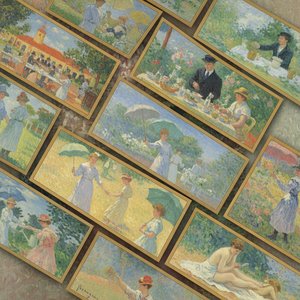
Renoir: Las 25 Obras Maestras del Impresionismo para Decorar tu Hogar con Arte
Descubre las 25 obras maestras de Renoir, el rey del impresionismo. Explora su técnica, historia y significado en cada pintura. Encuentra reproducciones de arte de alta calidad para decorar tu hogar con AllPaintingsStore.com.

The Enduring Legacy of Marble: A Comprehensive Exploration of Technique, Symbolism & Artistic Expression
Explore the rich history of marble sculpture from antiquity to the Renaissance! Discover key techniques, influential artists & enduring themes in classical art. Expert insights for collectors and enthusiasts at AllPaintingsStore.

Esculturas de Bronce Legendarias: 10 Obras Maestras que Transformaron el Arte | AllPaintingsStore
Descubre las 10 esculturas de bronce más legendarias que revolucionaron el arte. Explora la historia de Rodin, Degas y otros maestros del bronce. Encuentra reproducciones de alta calidad e inspiración para tu hogar en AllPaintingsStore.com.

The Enduring Allure of Marble in Art History: From Classical Sculpture to Modern Abstraction
Explore the captivating history of marble sculpture from ancient Greece to modern art. Discover renowned artists like Canova & Michelangelo, carving techniques, and investment insights at AllPaintingsStore.


