


 Ver en contexto
 Enviar
 Compartir
 Detalles

 Descargar
 Similares
 Radiografía
 Presentación de diapositivas
Trees


 Ver más
Giclée / Impresión de arte
Impresiones giclée o en lienzo de calidad de museo con producción rápida y opciones de acabado flexibles. ( Comprar pintura hecha a mano Comprar imagen)




P118B $10

P118H $10

P118W $10

P438Z $10

P508JH $12

P508YH $12

P805H $10

P805Z $10

P919BZ $10

P919G $10

P919XJ $10

P959ZH $10

P968JZ $12

W106C $8

W218G $10

W218JH $8

W218Y $10

W307PJ $10

W316G $10

W316PJ $8

W316Y $10

W398PJ $8

W4111J $10

W500HY $15

W500JH $15

W692G $12

W849H $8

W940BG $15

W953PJ $8




Elija entre nuestros tamaños predefinidos que respetan las proporciones originales de la obra.

Puede introducir sus propias dimensiones para adaptarse a un marco o espacio específico. Si el tamaño seleccionado no coincide con las proporciones de la imagen original, recortaremos la obra de arte o extenderemos la imagen con un borde con efecto espejo o de color sólido. Se enviará una maqueta digital para su aprobación antes de que comience la producción.
Tenga en cuenta que la vista previa en pantalla no refleja el recorte o la extensión real. Solo la maqueta mostrará con precisión la composición final.
Aunque existen tamaños personalizados, recomendamos seleccionar una dimensión de la lista predefinida para preservar las proporciones originales.
Envío a todo el mundo () en 2 semanas en lugar de las 4/5 semanas estándar. (23 agosto)

Envío exprés gratuito a todo el mundo

Lienzo de lino de alta calidad

Seguro de envío total

Garantía de reembolso de impuestos aduaneros

Garantía de fidelidad cromática exacta

Política de devolución de 60 días (solo por defectos)

Garantía de devolución del 100% del dinero

Descuento por cantidad
 La opción de vidrio solo está disponible en tamaños inferiores a 110 cm.

Trees
Giclée / Impresión de arte
Dimensiones de la reproducción
-


Precio total final
$ 64
Descripción de la pieza
The Essence of Nature Through a Modern Lens
In the evocative masterpiece Trees, we witness a profound moment in the evolution of Piet Mondrian, a period where the boundaries between the natural world and the burgeoning language of abstraction began to blur. This work serves as a breathtaking bridge between his early roots in the Hague School and the radical geometric precision that would later define his legacy. The painting presents a lush, vibrant scene where verdant leaves dance across branches, creating a rhythmic tapestry of green. Amidst this botanical splendor, small birds are perched delicately upon the limbs, breathing life and movement into the composition. A subtle architectural presence in the background provides a sense of depth, grounding this ethereal woodland setting within a touch of human context, suggesting a serene sanctuary where nature and civilization exist in quiet coexistence.
To behold this piece is to experience the transition from observation to essence. While the subject matter remains rooted in the landscape, Mondrian’s technique begins to whisper of his future explorations into Neo-Plasticism. The brushwork, though still retaining a sense of organic texture and Impressionistic vitality, hints at a desire to distill the chaotic beauty of the forest into something more structured and harmonious. For the discerning collector or interior designer, this painting offers a unique duality: it possesses the warmth and life of a traditional landscape, yet carries the intellectual weight of a modernist pioneer. It is a work that invites the eye to wander through its leafy depths while simultaneously prompting the mind to contemplate the underlying order of the universe.
A Symphony of Color and Symbolic Harmony
The emotional impact of Trees lies in its ability to evoke a sense of tranquil vitality. The palette is dominated by rich, pulsating greens that suggest the peak of summer, yet there is an underlying balance that speaks to Mondrian’s deep-seated spiritual convictions. As his journey progressed, Mondrian sought a visual vocabulary that reflected the universal truths found in systems like Zen Buddhism and Kabbalah—principles centered on equilibrium and the unity of all things. In this painting, we see the early stages of that quest; the way the light filters through the canopy and the rhythmic placement of the birds suggest a world that is not merely seen, but felt as a balanced, living organism.
For those looking to adorn a sophisticated living space or a curated gallery, this reproduction offers more than mere decoration. It serves as a focal point of contemplative beauty. The interplay of light and organic form provides a refreshing burst of color that can breathe life into minimalist interiors, while its historical significance adds a layer of academic prestige to any collection. Owning a piece that captures the very moment an artist begins to strip away the superficial to find the eternal is a rare privilege, making Trees an indispensable treasure for lovers of art history and seekers of aesthetic harmony.
Obras relacionadas


Biografía del artista
**vida temprana y carrera en los Países Bajos (1872-1911)**
pieter cornelis mondriaan, conocido a partir de 1911 como piet mondrian, fue un pintor y teórico del arte holandés nacido el 7 de marzo de 1872, en Amersfoort, Países Bajos. Comenzó su carrera como maestro en educación primaria mientras practicaba la pintura, inicialmente en el estilo impresionista holandés de la Escuela de Ámsterdam.- Su obra temprana, caracterizada por paisajes naturalistas, se puede ver en pinturas como the red mill y trees in moonrise, que se exhibieron en el kunstmuseum den haag.
- La búsqueda de Mondrian por parte de un estilo personal lo llevó a explorar diversos movimientos artísticos, incluyendo el puntillismo y el fauvismo.
- Su primera exposición en 1893 marcó el comienzo de su prolífica carrera.
**la evolución del estilo de Mondrian**
de figurativo a abstracto La dirección artística de Mondrian se desplazó hacia un estilo cada vez más abstracto, culminando en una forma no representacional que llamó neoplasticismo. Esta 'arte plástico puro' tenía como objetivo crear 'belleza universal', limitando su vocabulario formal a los colores primarios (rojo, azul y amarillo), valores (negro, blanco y gris) y direcciones (horizontal y vertical).- Ejemplos de este estilo se pueden ver en pinturas como composition with yellow patch (46 x 46 cm, neoplasticismo, óleo sobre lienzo).
- La obra de Mondrian tuvo una enorme influencia en el arte del siglo XX, impactando no solo la pintura abstracta sino también el diseño, la arquitectura y la moda.
**legado e influencia**
El legado de Mondrian se extiende más allá de su propia obra, influyendo en estilos y movimientos importantes como la pintura de campo de color, el expresionismo abstracto y el minimalismo. El historiador del diseño stephen bayley señaló que Mondrian se ha convertido en un símbolo para todo lo que el modernismo pretendía ser.- Explore más de la obra de Mondrian en AllPaintingsStore.com.
- Aprenda sobre el movimiento De Stijl y su influencia en el arte moderno en wikipedia.
- Descubra otros artistas influyentes como vincent van gogh y su impacto en el mundo del arte.
**obras clave y exposiciones**
* piet mondrian: apple blossom (cubismo) (ver en AllPaintingsStore.com) * piet mondrian: still life with vase of spices ii (cubismo) (ver en AllPaintingsStore.com) * piet mondrian: passionflower (73 x 48 cm, kunstmuseum den haag, post impressionismo, acuarela) (ver en AllPaintingsStore.com)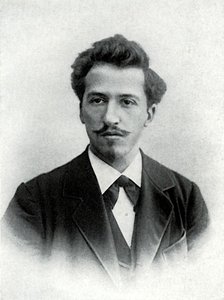
Piet Mondrian
1872 - 1944 , Países Bajos
Datos clave
- Artistas Que Influyeron:
- Hague School
- Puntillismo
- Fauvismo
- Cubismo
- Estilo Artístico: Neoplasticismo, De Stijl
- Fecha De Nacimiento: 7 de marzo de 1872
- Influenciado A Artistas:
- Expresionismo abstracto
- Minimalismo
- Color Field painting
- Lugar De Nacimiento: Amersfoort, Países Bajos
- Nacionalidad: Holandés
- Nombre Completo: Piet Mondrian
- Obras Notables:
- Nueva York I
- Composición con Rojo, Azul y Amarillo
- Broadway Boogie Woogie
- Tableau no. 2
Artículos relacionados

Abstracción Geométrica: 10 Obras Maestras que Transformaron el Arte Moderno | AllPaintingsStore
Descubre las 10 obras maestras de la abstracción geométrica que revolucionaron el arte moderno. Explora a Mondrian, Malevich y Kandinsky en AllPaintingsStore.com. Reproducciones de alta calidad para tu hogar.

Verdant Visions: Exploring the Symbolism & Aesthetic Impact of Green in Art History
Explore the rich history & symbolism of green in art! Discover iconic paintings, techniques, and how to bring verdant harmony into your home with AllPaintingsStore's expert guide.
Paul Cézanne: Las 25 Obras Maestras que Definieron el Arte Moderno | AllPaintingsStore
Descubre las 25 obras maestras de Paul Cézanne que revolucionaron el arte moderno. Explora su técnica, inspiración y significado en paisajes, bodegones y retratos. Reproducciones de alta calidad para decorar tu hogar con arte inolvidable. ¡Explora la colección completa en AllPaintingsStore.com!
Kandinsky: Las 25 Obras Maestras del Pionero de la Abstracción | AllPaintingsStore
Descubre las 25 obras maestras de Wassily Kandinsky, pionero del arte abstracto. Explora su expresionismo, composiciones únicas y la historia detrás de cada cuadro. Reproducciones de alta calidad para decorar tu hogar con arte moderno en AllPaintingsStore.com.

Beyond Form & Color: Geometric Abstraction's Evolution in 20th/21st Century Art
Explore the evolution of geometric abstraction from Cubism to contemporary art. Discover key artists like Malevich & Mondrian, investment insights, and expert collecting advice at AllPaintingsStore.


