Vista previa
 Compartir
 Compartir
 Ver detalles
 Guía
Guía

 Descargar
 Ver artículos similares
 Radiografía
 Presentación de diapositivas
 Estadísticas
La visión de Ezequiel


 Leer más
Giclée / Impresión de arte
Impresiones giclée o en lienzo de calidad de museo con producción rápida y opciones de acabado flexibles. ( Encargar reproducción pintada a mano Ver versión en imagen digital)




P118B €10

P118H €10

P118W €10

P438Z €10

P508JH €12

P508YH €12

P805H €10

P805Z €10

P919BZ €10

P919G €10

P919XJ €10

P959ZH €10

P968JZ €12

W106C €8

W218G €10

W218JH €8

W218Y €10

W307PJ €10

W316G €10

W316PJ €8

W316Y €10

W398PJ €8

W4111J €10

W500HY €15

W500JH €15

W692G €12

W849H €8

W940BG €15

W953PJ €8




Elija entre nuestros tamaños predefinidos que respetan las proporciones originales de la obra.

Introduzca el ancho y el alto que necesite para adaptarse a su marco o pared. Una impresión solo puede recortarse, nunca hacerse más grande que la imagen original, por lo que un tamaño con una forma distinta perderá parte de la obra. Le enviaremos una maqueta digital para su aprobación antes de realizar cualquier impresión. La imagen que se muestra en esta página no refleja el recorte real; solo la maqueta lo hace.
Envío a todo el mundo () en 2 semanas en lugar de las 4/5 semanas estándar. (24 octubre)

Envío exprés gratuito a todo el mundo

Lienzo de lino de alta calidad

Seguro de envío completo

Garantía de reembolso de impuestos aduaneros

Garantía de fidelidad cromática exacta

Política de devolución de 100 días (solo por defectos)

Garantía de devolución del 100% del dinero

Oferta por volumen
 La opción de vidrio solo está disponible en tamaños inferiores a 110 cm.

La visión de Ezequiel
Giclée / Impresión de arte
Tamaño de la reproducción
-


Precio total
€ 56
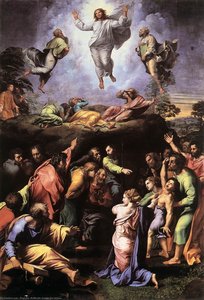
Raphael: Ezekiel's Vision – A Symphony of Divine Majesty
Raffaello Sanzio da Urbino, born Raffaello Sanzio da Urbino in 1483, stands as one of the titans of the High Renaissance—a painter whose mastery transcended mere skill; he achieved an almost transcendent harmony between observation and imagination. Alongside Michelangelo and Leonardo da Vinci, Raphael embodies the intellectual fervor and artistic brilliance that defined this pivotal era, shaping Western art for centuries to come.
The Vision Embodied: Composition and Symbolism
“Ezekiel’s Vision,” painted around 1518, is more than just a depiction of biblical scripture; it's an exquisitely crafted meditation on divine authority and prophetic revelation. Raphael skillfully employs pyramidal composition—a technique borrowed from Michelangelo—to elevate the central figure of God to prominence. The four angelic creatures flanking him are not merely decorative elements but potent symbols representing the evangelists – Matthew, Mark, Luke and John – embodying the Gospels’ core narratives.
Technique: Oil Paint – Layers of Light and Texture
Raphael's choice of oil paint—a medium favored by artists throughout Europe—allowed him to achieve unparalleled luminosity and textural depth. He meticulously built up layers of glazes, subtly blending colors to create a breathtaking illusion of light and shadow. This painstaking process captures the ethereal quality of God’s presence, mirroring the radiant splendor of Michelangelo's Sistine Chapel ceiling.
Renaissance Spirit: Context and Influence
Created during the High Renaissance—a period marked by humanist ideals and an obsession with realism—“Ezekiel’s Vision” reflects the broader artistic currents of its time. Raphael drew inspiration from Michelangelo’s monumental frescoes, demonstrating a shared commitment to conveying grandeur and spiritual significance. The painting's serene atmosphere speaks to the humanist quest for understanding God’s plan through observation and contemplation.
Provenance and Preservation: A Journey Through Time
The artwork’s history is rich with aristocratic patronage—beginning with Vincenzo Ercolani in Bolognese nobility, followed by Francesco I de’ Medici and culminating in its permanent residence at Palazzo Pitti in Florence. Recent conservation efforts have ensured that this masterpiece retains its original splendor for future generations, safeguarding Raphael's legacy as a beacon of artistic excellence.
Bringing Raphael Home with AllPaintingsStore.com
At AllPaintingsStore.com, we honor Raphael’s genius by offering meticulously crafted oil painting reproductions—each one painstakingly researched and executed by skilled artisans. Explore our collection today and immerse yourself in the timeless beauty of “Ezekiel’s Vision,” transforming your home into a space infused with Renaissance artistry.
- Painting by 'Raphael (Raffaello Sanzio Da Urbino)' | Raphael (R Raffaello Sanzio Da Urbino):Ezekiel's Vision
- The Museum St. Peter's Basilica (Vatican City, Italy) Introduction
Preguntas y respuestas
¿Qué uso y espacio se recomiendan para "La visión de Ezequiel" de Rafael?
Se sugiere "La visión de Ezequiel" para Acento cromático, y el espacio recomendado es un Salón principal.
¿Cuál es el uso recomendado para una impresión de "La visión de Ezequiel"?
El uso recomendado de una impresión de "La visión de Ezequiel" es Acento cromático.
¿Puedo ver una vista de rayos X de "La visión de Ezequiel" de Rafael?
La vista de rayos X de "La visión de Ezequiel" de Rafael se encuentra en la página Rayos X de la obra: un examen interactivo de la imagen a través de once capas ópticas.
Obras relacionadas


Biografía del artista
**vida temprana y formación**
Rafael (rafaello sanzio da urbino), un renombrado pintor y arquitecto italiano, nació entre el 28 de marzo y el 6 de abril de 1483, en la pequeña pero culturalmente significativa ciudad de Urbino. Su padre, Giovanni Santi, era pintor de corte para el duque, proporcionando a Rafael una exposición temprana al mundo artístico. Después de fallecer su padre a los once años, Rafael probablemente administró el taller familiar, consolidando aún más su base artística.**carrera artística e influencias**
El viaje artístico de Rafael puede categorizarse en tres fases distintas, cada una marcada por un estilo único:- primeros años en Umbría: caracterizado por la influencia de su padre y el ambiente cultural de Urbino.
- período florentino (1504-1508): absorbiendo las tradiciones artísticas de Florencia, que influyeron significativamente en su estilo.
- período romano (1508-1520): trabajando para dos papas y sus asociados, produciendo algunas de sus obras más celebradas, incluyendo la escuela de Atenas en la stanza della segnatura del Vaticano.
**obras notables y legado**
Algunas de las obras notables de Rafael incluyen:- el juicio de Salomón (ver en AllPaintingsStore)
- la madona de Esterházy (ver en AllPaintingsStore)
- Stanze Vaticane - vista de la stanza della segnatura (ver en AllPaintingsStore)
- San Sebastián (ver en AllPaintingsStore)
- La dama velada (ver en AllPaintingsStore)
**influencia y legado**
La influencia de Rafael en el arte es profunda, con su obra siendo un pilar del Renacimiento italiano. Su estilo sereno y armonioso ha sido un modelo para la pintura neoclásica, como señaló el historiador de arte Johann Joachim Winckelmann. A pesar de la influencia posterior del estilo de Miguel Ángel, Rafael sigue siendo uno de los artistas más reverenciados en la historia. ver el perfil de Rafael en AllPaintingsStore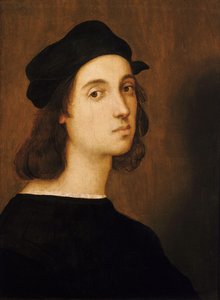
Rafael
1483 - 1520 , Italia
Datos clave
- Artistas Influyentes:
- Giovanni Santi
- Pietro Perugino
- Estilo Artístico: Alto Renacimiento
- Fecha De Muerte: 06/04/1520
- Fecha De Nacimiento: 28/03/1483
- Influencia En Artistas: Neoclasicismo
- Lugar De Nacimiento: Urbino, Italia
- Nacionalidad: Italiano
- Nombre Completo: Rafael (Raffaello Sanzio)
- Obras Notables:
- El Juicio de Salomón
- Madonna del Cardellino
- La Escuela de Atenas
- San Sebastián
- La Dama Velada
Artículos relacionados
Rafael: Las 25 Obras Maestras que Definen al Genio del Renacimiento | AllPaintingsStore
Descubre las 25 obras maestras de Rafael Sanzio, el genio del Renacimiento. Explora su historia, técnica y significado en pinturas icónicas como 'La Escuela de Atenas'. Reproducciones de arte de alta calidad para decorar tu hogar con elegancia. ¡Explora la colección completa en AllPaintingsStore.com!

El Legado Duradero del Óleo sobre Lienzo: Técnica, Historia y Práctica Contemporánea
Descubre la historia y técnica del óleo sobre lienzo. Explora reproducciones fieles hechas a mano, personalización artística y consejos de expertos con .

The Enduring Power of Painting: A Historical & Contemporary Exploration of Form and Emotion
Explore the rich history & enduring techniques of oil painting with AllPaintingsStore. Discover masterpieces, learn about art collecting, and find authentic handmade reproductions crafted by skilled artists.

The Enduring Legacy of Oil on Canvas: Technique, History & Aesthetic Impact
Explore the rich history & techniques of oil painting – from Renaissance masters to Impressionism. Discover pigments, layering methods, and why this timeless medium endures. Expert insights for artists & art enthusiasts.

El Óleo sobre Lienzo: Historia, Técnica y la Persistencia de un Medio Artístico Atemporal
Descubre la historia y técnica del óleo sobre lienzo. Explora reproducciones fieles hechas a mano, personalización artística y consejos de expertos con AllPaintingsStore. ¡Colecciona arte con confianza!