


 Vista previa
 Compartir
 Compartir
 Ver detalles

 Descargar
 Ver similares
 Radiografía
 Presentación de diapositivas
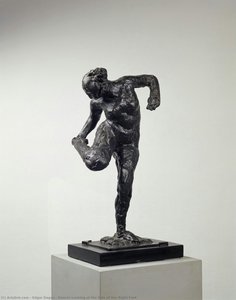
Torso
 1955
1955 90.0 x 24.0 cm
 Colección del Consejo de las Artes
 Leer más
Giclée / Impresión de arte
Impresiones giclée o en lienzo de calidad de museo con producción rápida y opciones de acabado flexibles. ( Encargar reproducción pintada a mano Comprar descarga)




































Elija entre nuestros tamaños predefinidos que respetan las proporciones originales de la obra.

Puede introducir sus propias dimensiones para adaptarse a un marco o espacio específico. Si el tamaño seleccionado no coincide con las proporciones de la imagen original, recortaremos la obra de arte o extenderemos la imagen con un borde con efecto espejo o de color sólido. Se enviará una maqueta digital para su aprobación antes de que comience la producción.
Tenga en cuenta que la vista previa en pantalla no refleja el recorte o la extensión real. Solo la maqueta mostrará con precisión la composición final.
Aunque existen tamaños personalizados, recomendamos seleccionar una dimensión de la lista predefinida para preservar las proporciones originales.
Envío a todo el mundo () en 2 semanas en lugar de las 4/5 semanas estándar. (20 agosto)

Envío exprés gratuito a todo el mundo

Lienzo de lino de alta calidad

Seguro de envío completo

Garantía de reembolso de aranceles aduaneros

Garantía de fidelidad cromática exacta

Política de devolución de 60 días (solo por defectos)

Garantía de devolución del 100% del dinero

Oferta por volumen
 La opción de vidrio solo está disponible en tamaños inferiores a 110 cm.

Torso
Giclée / Impresión de arte
Tamaño de la reproducción
-


Precio total
$ 64
Descripción de la pieza
Obras relacionadas




Biografía del artista
Reg Butler: Sculpting the Unseen – A Portrait of Anxiety and Female Form
Reginald Cotterell Butler, born in Buntingford, Hertfordshire, in 1913, wasn’t a sculptor by conventional training. His early life, shaped by his parents’ roles as Master and Matron of the Buntingford Union Workhouse – a stark backdrop to his formative years – instilled within him a quiet intensity, a sensitivity to human vulnerability that would profoundly inform his artistic vision. Initially pursuing architecture at the Architectural Association School of London, he found himself drawn away from structured design towards the tactile immediacy of sculpture, a shift catalyzed by wartime service as a conscientious objector. This period, spent repairing farm implements, provided him with an intimate understanding of materials – iron, in particular – and a nascent skill set that would become the foundation for his distinctive style.
Butler’s early work, particularly during the 1950s, reflected this blacksmithing heritage. His sculptures were characterized by elongated, almost skeletal forms, often evoking a sense of quiet desperation or restrained emotion. These pieces, frequently constructed from forged iron, possessed a raw, elemental quality – a directness that resonated with the anxieties of post-war Britain. Yet, it was his 1953 ‘Monument to the Unknown Political Prisoner,’ awarded first prize in an international competition, that truly cemented his reputation and established him as a significant figure within the burgeoning British sculptural scene. This commission, a powerful statement against political repression, demonstrated Butler’s ability to imbue inanimate materials with potent symbolic weight.
The Influence of Bellmer and Jones – A Descent into the Subconscious
Following the success of the ‘Unknown Political Prisoner,’ Butler’s artistic trajectory took a significant turn. He began experimenting with welding techniques, embracing the fluidity and expressive potential of metal joining. Simultaneously, he developed his own innovative bronze shell casting method, allowing him to create remarkably lifelike figures – primarily female – that possessed an unsettling beauty and a palpable sense of psychological depth. This stylistic shift has been inextricably linked to the influence of two key artists: Hans Bellmer and Allen Jones. Bellmer’s meticulously crafted, often disturbing dolls, with their exaggerated features and vacant stares, provided a framework for exploring themes of sexuality, vulnerability, and the uncanny. Jones's unsettlingly realistic female figures, particularly his “Girl on a Round Base,” shared a similar preoccupation with the grotesque and the emotionally charged.
Butler’s sculptures weren’t merely imitations; they were reinterpretations, filtered through his own unique sensibility. He amplified Bellmer’s inherent strangeness, layering it with a distinctly British anxiety – a quiet unease rooted in the social and political landscape of the mid-20th century. The figures he created are not idealized beauties but rather embodiments of repressed desires, unspoken fears, and the lingering trauma of war.
A Gallery of Female Figures – Themes of Isolation and Vulnerability
The core of Butler’s oeuvre revolves around his captivating series of female sculptures. These aren't portraits in the traditional sense; they are psychological studies rendered in metal. He consistently depicted women in states of isolation, often presented in ambiguous poses that suggest both vulnerability and resilience. The figures frequently appear to be caught in moments of introspection or suspended between worlds – a visual representation of the emotional complexities he sought to convey. Their elongated limbs, subtly distorted features, and vacant gazes contribute to an atmosphere of haunting beauty and unsettling stillness.
The recurring motif of the ‘round base’ – seen prominently in works like “Girl on a Round Base” – is particularly significant. It serves as both a grounding element and a symbolic constraint, suggesting a sense of entrapment or limitation. These bases, combined with the figures' often passive postures, evoke a feeling of being trapped within one’s own thoughts and emotions.
Legacy and Recognition – A Place in Art History
Reg Butler’s work gained considerable recognition throughout his career, culminating in inclusion in major international collections including the Museum of Modern Art in New York City and the Tate Gallery in London. His sculptures continue to be studied and admired for their technical skill, psychological depth, and haunting beauty. He was a pivotal figure in British sculpture during a period of significant artistic experimentation, bridging the gap between traditional craftsmanship and contemporary concerns.
Butler’s influence extends beyond his own creations; he is often credited with foreshadowing the work of later sculptors like Ron Mueck, whose similarly unsettlingly realistic figures explore themes of human vulnerability and psychological fragility. Reg Butler's legacy lies not only in the enduring power of his sculptures but also in their ability to provoke contemplation on the darker aspects of the human experience – a testament to an artist who dared to confront the unseen.

Datos clave
- Artistic Movement Or Style: Sculpture (lifelike female figures)
- Artists Or Movements Influenced By This Artist: ['Ron Mueck']
- Artists Who Influenced This Artist:
- Hans Bellmer
- Allen Jones
- Date Of Birth: April 28, 1913
- Date Of Death: October 23, 1981
- Full Name: Reginald Cotterell Butler
- Nationality: English
- Notable Artworks:
- Girl on a Round Base
- Unknown Political Prisoner
- Place Of Birth: Buntingford, Hertfordshire


