


 Vista previa
 Compartir
 Compartir
 Ver detalles

 Descargar
 Ver similares
 Radiografía
 Presentación de diapositivas
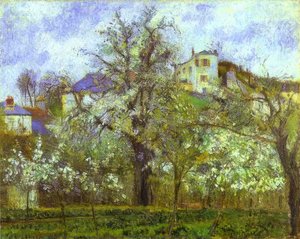
Spring
 Leer más
Giclée / Impresión de arte
Impresiones giclée o en lienzo de calidad de museo con producción rápida y opciones de acabado flexibles. ( Encargar reproducción pintada a mano Comprar descarga)




































Elija entre nuestros tamaños predefinidos que respetan las proporciones originales de la obra.

Puede introducir sus propias dimensiones para adaptarse a un marco o espacio específico. Si el tamaño seleccionado no coincide con las proporciones de la imagen original, recortaremos la obra de arte o extenderemos la imagen con un borde con efecto espejo o de color sólido. Se enviará una maqueta digital para su aprobación antes de que comience la producción.
Tenga en cuenta que la vista previa en pantalla no refleja el recorte o la extensión real. Solo la maqueta mostrará con precisión la composición final.
Aunque existen tamaños personalizados, recomendamos seleccionar una dimensión de la lista predefinida para preservar las proporciones originales.
Envío a todo el mundo () en 2 semanas en lugar de las 4/5 semanas estándar. (19 agosto)

Envío exprés gratuito a todo el mundo

Lienzo de lino de alta calidad

Seguro de envío completo

Garantía de reembolso de aranceles aduaneros

Garantía de fidelidad cromática exacta

Política de devolución de 60 días (solo por defectos)

Garantía de devolución del 100% del dinero

Oferta por volumen
 La opción de vidrio solo está disponible en tamaños inferiores a 110 cm.

Spring
Giclée / Impresión de arte
Tamaño de la reproducción
-


Precio total
$ 64
Obras relacionadas




Biografía del artista
Reinhold Max Eicher: Bridging Barbizon Realism and Symbolist Vision
Reinhold Max Eicher (1890 – 1953) stands as a pivotal figure in German Expressionist landscape painting, yet his artistic journey began within the traditions of Barbizon realism. Born in Vienna, Austria, Eicher’s formative years were steeped in the influence of Impressionism and Neo-Impressionism, particularly through encounters with artists like Edvard Munch and Claude Monet. These early experiences instilled a profound appreciation for capturing fleeting moments of natural beauty—a sensibility that would later become central to his distinctive style. However, unlike many contemporaries who prioritized purely observational accuracy, Eicher possessed an innate desire to convey emotion and psychological depth within his canvases—a characteristic that distinguishes him from the predominantly objective gaze of Impressionism.Early Influences: The Seeds of Expression
Munch’s exploration of anxiety and existential dread served as a formative catalyst for Eicher's artistic sensibilities. His paintings frequently grapple with themes of isolation, despair, and the confrontation between humanity and the indifferent cosmos—reflecting Munch’s preoccupation with psychological torment. Simultaneously, Monet’s masterful manipulation of light and color—particularly his Impressionistic depictions of Giverny—provided Eicher with invaluable compositional techniques and a foundational understanding of atmospheric perspective. The shimmering surfaces of Monet's water lilies instilled in Eicher a fascination for capturing the ephemeral qualities of nature—a preoccupation that would permeate his oeuvre throughout his career.Barbizon Roots: Mastering Realistic Landscape Technique
Initially trained at the Munich Academy of Fine Arts alongside artists like Wilhelm Leibl and Max Liebermann, Eicher honed his skills in realistic landscapes—primarily portraying Bavarian forests and alpine vistas—reflecting the prevailing aesthetic ideals of the Barbizon School. Leibl’s meticulous attention to detail and Liebermann's nuanced tonal gradations instilled in Eicher a disciplined approach to rendering natural forms with unwavering fidelity. Yet, even within this rigorously observed framework, Eicher subtly infused his paintings with expressive undertones—a hallmark of his evolving artistic vision.The Turning Point: Embracing Symbolism and Artistic Innovation
Despite maintaining a grounding in Barbizon realism, Eicher’s artistic trajectory decisively shifted toward Expressionism during the early 1920s. This transformative period coincided with his engagement with Die Brücke (The Bridge)—a group of avant-garde artists who vehemently rejected academic conventions and championed radical experimentation. Artists like Ernst Ludwig Kirchner and Karl Schmidt-Rottluff encouraged Eicher to liberate himself from stylistic constraints—embracing bold color palettes, textured surfaces, and emotionally charged compositions. The influence of Gustav Klimt’s decorative symbolism—particularly his opulent use of gold leaf—further broadened Eicher's artistic horizons—inspiring him to explore the expressive potential of ornamentation and visual richness. Hugo Steiner Sammel’s pioneering explorations into tonal painting similarly challenged Eicher’s preconceptions about color representation—encouraging him to experiment with unconventional chromatic harmonies.Expressionist Style: Texture, Color, and Psychological Depth
Eicher's Expressionist output is characterized by a deliberate rejection of Impressionistic optical illusion—prioritizing instead the conveyance of inner psychological states through visual language. He employed thick impasto brushstrokes—often mixed with sand or other aggregates—creating palpable textural surfaces that mirrored the ruggedness of the landscapes he portrayed. These textures weren’t merely decorative; they served as conduits for conveying emotional intensity—reflecting inner turmoil and spiritual contemplation. Unlike Impressionists who sought to capture fleeting sensations, Eicher aimed to evoke profound feelings—capturing the sublime beauty of nature alongside its inherent melancholy. His color palettes—dominated by earthy hues juxtaposed with vibrant reds and yellows—were imbued with symbolic significance—expressing themes of solitude, grief, and the confrontation between humanity and the overwhelming forces of existence.Notable Works and Artistic Legacy
Among Eicher’s most celebrated paintings are “Winter Landscape” (1928), depicting a snow-covered Bavarian forest bathed in muted light—a testament to his mastery of tonal painting and his ability to evoke atmospheric mood. “Forest Interior” (1930) portrays a darkened woodland scene illuminated by shafts of sunlight—underscoring Eicher’s fascination with capturing the interplay between illumination and shadow—creating dramatic visual contrasts that heighten emotional resonance. “The Mountain” (1934)—a monumental canvas depicting a towering alpine peak—demonstrates Eicher's unwavering commitment to conveying grandeur and spiritual contemplation—solidifying his place as one of Germany’s foremost landscape painters. His work continues to inspire artists today—recognized for its evocative beauty and its profound exploration of existential themes—establishing Reinhold Max Eicher as an enduring icon of Expressionist art history.
Reinhold Max Eicher
Alemania
Datos clave
- Artistic Movement Or Style: Expressionismo
- Artists Or Movements Influenced By This Artist: ['Simbolismo']
- Artists Who Influenced This Artist:
- Gustavo Klimt
- Hugo Steiner Sammel
- Date Of Birth: Vienna, Austria
- Full Name: Reinhold Max Eicher
- Nationality: Austrian
- Notable Artworks:
- Paisaje invernal
- Interior forestal



