


 Ver en contexto
 Enviar
 Compartir
 Detalles
 Guía
Guía

 Descargar
 Similares
 Radiografía
 Presentación de diapositivas
 Estadísticas
Standing Warror with Shield


 Ver más
Giclée / Impresión de arte
Impresiones giclée o en lienzo de calidad de museo con producción rápida y opciones de acabado flexibles. ( Comprar pintura hecha a mano Cambiar a imagen digital)




P118B €10

P118H €10

P118W €10

P438Z €10

P508JH €12

P508YH €12

P805H €10

P805Z €10

P919BZ €10

P919G €10

P919XJ €10

P959ZH €10

P968JZ €12

W106C €8

W218G €10

W218JH €8

W218Y €10

W307PJ €10

W316G €10

W316PJ €8

W316Y €10

W398PJ €8

W4111J €10

W500HY €15

W500JH €15

W692G €12

W849H €8

W940BG €15

W953PJ €8




Elija entre nuestros tamaños predefinidos que respetan las proporciones originales de la obra.

Introduzca el ancho y el alto que necesite para adaptarse a su marco o pared. Una impresión solo puede recortarse, nunca hacerse más grande que la imagen original, por lo que un tamaño con una forma distinta perderá parte de la obra. Le enviaremos una maqueta digital para su aprobación antes de realizar cualquier impresión. La imagen que se muestra en esta página no refleja el recorte real; solo la maqueta lo hace.
Envío a todo el mundo () en 2 semanas en lugar de las 4/5 semanas estándar. (26 octubre)

Envío exprés gratuito a todo el mundo

Lienzo de lino de alta calidad

Seguro de envío total

Garantía de reembolso de aranceles aduaneros

Garantía de fidelidad cromática exacta

Política de devolución de 100 días (solo por defectos)

Garantía de devolución del 100% del dinero

Descuento por cantidad
 La opción de vidrio solo está disponible en tamaños inferiores a 110 cm.

Standing Warror with Shield
Giclée / Impresión de arte
Dimensiones de la reproducción
-


Precio total final
€ 56
Salvator Rosa’s Standing Warrior with Shield: A Vision of Baroque Power
Salvator Rosa’s “Standing Warrior with Shield,” completed around 1657, isn't merely a depiction of military prowess; it’s a masterful distillation of the Baroque aesthetic—a visual manifesto reflecting the turbulent spirit of its time and embodying profound philosophical contemplation. Executed in etching on ivory laid paper, this artwork transcends simple representation, inviting viewers into a dramatic tableau that speaks volumes about courage, resilience, and humanity's confrontation with formidable forces.
- Subject Matter: The central figure portrays a warrior poised for action, clad in classical armor—a breastplate and greaves—suggesting both historical grandeur and mythological allusion. His raised arm signifies defiance and readiness, while his gaze directs attention inward, hinting at an internal struggle mirroring the broader anxieties of the era concerning faith and morality.
- Style & Technique: Rosa’s signature style is characterized by a meticulous attention to detail—particularly in capturing the textures of armor and shield—achieved through masterful shading and fine lines. The etching process itself lends an ethereal quality to the image, emphasizing light and shadow as instruments of expressive power. Unlike the polished surfaces favored by earlier Renaissance artists, Rosa deliberately embraced darkness and roughness, mirroring the Baroque preoccupation with sublime landscapes and conveying a sense of unease.
- Historical Context: Created during the reign of Louis XIV—the zenith of French absolutism—the artwork reflects the prevailing intellectual currents of the period. Philosophers like Descartes wrestled with questions of certainty and reason amidst religious upheaval, mirroring the warrior’s internal gaze. Rosa's work aligns with a broader artistic trend toward portraying heroic figures grappling with existential dilemmas.
- Symbolism: The shield itself is laden with symbolic significance—representing protection against external threats but also embodying inner fortitude. Its intricate designs could hark back to heraldry, signifying lineage and authority, yet simultaneously convey a deeper message about confronting adversity with unwavering resolve. Rosa’s use of dark hues amplifies this symbolism, emphasizing the warrior's vulnerability beneath a veneer of strength.
- Emotional Impact: “Standing Warrior with Shield” evokes a palpable sense of drama—a confrontation between man and nature, between courage and fear. The artist’s deliberate manipulation of light and shadow creates an atmosphere of tension and anticipation, inviting viewers to contemplate the complexities of human experience. It's a piece that lingers in the mind long after viewing, prompting reflection on themes of heroism, vulnerability, and the enduring quest for meaning.
This artwork exemplifies Rosa’s ability to synthesize artistic skill with philosophical inquiry—a testament to his enduring legacy as one of the Baroque’s most visionary figures. Its haunting beauty and profound symbolism continue to inspire admiration and intrigue, securing its place as a cornerstone of European art history.
Preguntas y respuestas
¿A qué etapa de la trayectoria de Salvador Rosa pertenece "Standing Warror with Shield" (1657)?
La fecha de 1657 sitúa a "Standing Warror with Shield" en el Mature Period del desarrollo de Salvador Rosa.
¿Cómo puedo ver "Standing Warror with Shield" de Salvador Rosa en formato de presentación?
Disponible una presentación de diapositivas: la página Galería de imágenes de "Standing Warror with Shield" de Salvador Rosa.
¿De qué manera el estilo de "Standing Warror with Shield" se relaciona con la época de su creador?
"Standing Warror with Shield" de Salvador Rosa pertenece al movimiento Baroque, dentro de la era Edad Moderna temprana de su creador.
Obras relacionadas


Biografía del artista
Vida temprana y formación
Salvator Rosa, pintor barroco italiano, poeta e grabador, nació en Arenella, Nápoles, el 20 de junio o el 21 de julio de 1615. Su madre, Giulia Greca Rosa, pertenecía a una de las familias griegas de Sicilia. A pesar de los deseos de su padre de que se convirtiera en abogado o sacerdote, Salvator demostró una preferencia por las artes desde temprana edad.Trayectoria artística
La carrera artística de Salvator Rosa se caracterizó por su estilo poco ortodoxo y extravagante, lo que lo diferenciaba de sus contemporáneos. Estuvo activo en Nápoles, Roma y Florencia, y su obra estuvo influenciada por el naturalismo de Ribera y el clasicismo de Poussin. Sin embargo, se negó a ser atado por ningún estilo o movimiento particular.- Pitágoras emergiendo del inframundo (Museo de Arte Kimball, Fort Worth, Estados Unidos), una de sus obras más famosas, muestra su mezcla única de temas filosóficos y artísticos.
- Su obra El bautismo del eunuco (Museo de Arte Chrysler, Norfolk, Estados Unidos) demuestra su capacidad para infundir un alto dramatismo incluso en historias bíblicas menores.
Influencias y legado
La obra de Salvator Rosa tuvo un impacto significativo en el desarrollo del arte barroco. Su influencia puede verse en las obras de artistas posteriores, como Luca Giordano, que continuó superando los límites de la expresión artística.Enlaces importantes: Perfil de Salvator Rosa en AllPaintingsStore Wikipedia: Salvator Rosa Pitágoras emergiendo del inframundo en AllPaintingsStoreDesarrollo y logros importantes
Rosa se distinguió por su enfoque único de los paisajes, a menudo representando escenas salvajes e indómitas que contrastaban con las vistas clásicas idealizadas de artistas como Claude Lorrain. Sus obras no solo mostraban la naturaleza en su estado más crudo, sino que también exploraban temas filosóficos y morales. Aunque sus habilidades técnicas a veces fueron criticadas, su originalidad e innovación artística eran innegables. Su capacidad para combinar elementos de la historia, la mitología y la filosofía en sus pinturas lo convirtió en una figura singular dentro del arte barroco.Significado histórico
La vida y obra de Salvator Rosa continúan fascinando a los amantes del arte e historiadores por igual. Su estilo poco ortodoxo y su rebelión perpetua contra las normas de su tiempo han cimentado su lugar en la historia del arte barroco. Se le considera un precursor del movimiento romántico, influyendo en artistas posteriores con su visión apasionada y dramática de la naturaleza y la condición humana. El Museo de Arte Kimball y el Museo de Arte Chrysler son instituciones que albergan importantes obras de Rosa.
Salvador Rosa
1615 - 1673 , Italia
Datos clave
- Artistas Que Influyeron:
- Ribera
- Poussin
- Estilo Artístico: Barroco
- Fecha De Muerte: 15 de marzo de 1673
- Fecha De Nacimiento: 20 o 21 de junio de 1615
- Influencia En Artistas: ['Luca Giordano']
- Lugar De Nacimiento: Arenella, Italia
- Nacionalidad: Italiana
- Nombre Completo: Salvator Rosa
- Obras Notables:
- Pitágoras emergiendo del inframundo
- El bautismo del eunuco
Artículos relacionados

Salvator Rosa: A Baroque Rebel's Vision of Landscape, Allegory & the Human Condition
Explore the captivating world of Salvator Rosa, a rebellious Baroque master. Discover his dramatic landscapes, allegorical paintings & lasting influence on Romanticism. Hand-painted reproductions available at AllPaintingsStore.

El Aguafuerte: Un Recorrido Histórico por su Técnica, Cualidades Estéticas y Significado Duradero
Descubre la fascinante historia y técnica del aguafuerte. Explora su evolución artística, los maestros que lo dominaron y sus cualidades estéticas únicas. Guía experta para amantes del arte.

The Intricate World of Etching: A Historical Survey of Technique, Aesthetic Evolution, and Enduring Artistic Impact
Explore the rich history of etching, from its origins to modern practice. Discover techniques, key artists like Rembrandt, and insights for collectors. A comprehensive guide by AllPaintingsStore.

Giclée Prints: Archival Quality & Aesthetic Nuances for the Discerning Collector
Explore the world of giclée prints with AllPaintingsStore. Learn about archival quality, aesthetic nuances & investment potential. Expert guidance for discerning art collectors seeking museum-quality reproductions and lasting value.
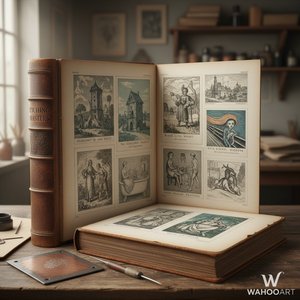
Las 10 Grabados Legendarios que Revolucionaron el Arte | AllPaintingsStore
Descubre los 10 grabados legendarios que transformaron la historia del arte. Explora las obras maestras de Rembrandt, Goya y Dürer. Encuentra reproducciones de alta calidad e inspírate para decorar tu hogar con arte clásico en AllPaintingsStore.com.


