- Inicio

- Impresión en lienzo
- Sandro Botticelli
- Annunciation

 Vista previa
 Compartir
 Compartir
 Ver detalles

 Descargar
 Ver similares
 Radiografía
 Presentación de diapositivas
Annunciation


 Leer más
Giclée / Impresión de arte
Impresiones giclée o en lienzo de calidad de museo con producción rápida y opciones de acabado flexibles. ( Cambiar a pintura hecha a mano Cambiar a imagen)




































Elija entre nuestros tamaños predefinidos que respetan las proporciones originales de la obra.

Puede introducir sus propias dimensiones para adaptarse a un marco o espacio específico. Si el tamaño seleccionado no coincide con las proporciones de la imagen original, recortaremos la obra de arte o extenderemos la imagen con un borde con efecto espejo o de color sólido. Se enviará una maqueta digital para su aprobación antes de que comience la producción.
Tenga en cuenta que la vista previa en pantalla no refleja el recorte o la extensión real. Solo la maqueta mostrará con precisión la composición final.
Aunque existen tamaños personalizados, recomendamos seleccionar una dimensión de la lista predefinida para preservar las proporciones originales.
Envío a todo el mundo () en 2 semanas en lugar de las 4/5 semanas estándar. (1 agosto)

Envío exprés gratuito a todo el mundo

Lienzo de lino de alta calidad

Seguro de envío completo

Garantía de reembolso de aranceles aduaneros

Garantía de fidelidad cromática exacta

Política de devolución de 60 días (solo por defectos)

Garantía de devolución del 100% del dinero

Oferta por volumen
 La opción de vidrio solo está disponible en tamaños inferiores a 110 cm.

Annunciation
Giclée / Impresión de arte
Tamaño de la reproducción
-


Precio total
$ 64
Descripción de la pieza
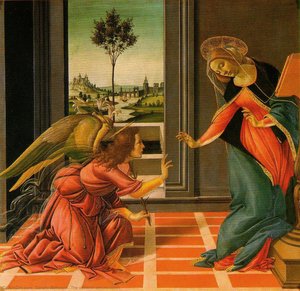
A Moment Frozen in Time: Botticelli’s Annunciation
The Annunciation, painted circa 1500 by Sandro Botticelli, stands as an emblem of Renaissance Florence—a testament to humanist ideals intertwined with profound religious devotion. More than just a depiction of biblical narrative, it embodies the burgeoning spirit of artistic innovation that characterized the era and continues to captivate audiences today. Examining its composition, color palette, technique, and symbolic resonance reveals layers of meaning beyond its surface beauty.Composition and Spatial Harmony
Botticelli’s masterful use of perspective establishes a serene architectural setting—a loggia or arcade—that frames the central figures of Mary and Gabriel. Symmetry reigns supreme; Mary occupies the apex of balance, seated gracefully on a bench beneath a delicately arched doorway. The angel Gabriel kneels before her, creating an immediate visual dialogue that underscores the momentousness of the event. Two additional figures flank the principal subjects, subtly reinforcing the sense of order and grandeur. This deliberate arrangement wasn’t merely aesthetically pleasing; it mirrored the humanist preoccupation with rational harmony—a cornerstone of Renaissance thought.Color Palette and Light
The painting's color scheme eschews vibrant hues in favor of muted earth tones – ochres, browns, creams, and soft greens – reflecting the prevailing artistic sensibilities of the time. A single crimson cushion beneath Mary’s seat punctuates the palette with a splash of warmth, symbolizing divine grace and highlighting her maternal role. Botticelli skillfully employs diffused lighting, casting gentle illumination across the scene without harsh shadows. This subdued luminescence contributes significantly to the artwork's contemplative mood, fostering an atmosphere of reverence and tranquility.Technique: Oil on Canvas – Precision and Detail
Botticelli’s technique—oil paint applied onto canvas—allowed for unparalleled subtlety in tonal gradations and nuanced color blending. The artist meticulously rendered drapery folds with painstaking precision, capturing the flowing movement of fabric while simultaneously conveying a sense of ethereal beauty. Close observation reveals an astonishing level of detail – from the delicate embroidery on Mary's robe to the subtle expressions etched upon Gabriel’s face—demonstrating Botticelli’s unwavering commitment to realism tempered by idealized form.Symbolism and Spiritual Significance
The Annunciation transcends its literal portrayal of biblical scripture; it is laden with symbolic significance. The lily, prominently displayed in Mary’s hand, represents purity and virginity – virtues revered throughout Christian tradition. Gabriel's outstretched hand signifies divine communication and the proclamation of God’s plan for salvation. Botticelli’s depiction of Mary embodies humility and acceptance—a reflection of her unwavering faith as she receives the news of her miraculous conception. The entire scene speaks to themes of grace, hope, and divine providence – concepts central to Renaissance spirituality.Emotional Resonance: A Legacy of Beauty
Botticelli's Annunciation continues to resonate with viewers centuries later due to its profound emotional impact. It captures a moment of transformative beauty—a serene tableau imbued with spiritual contemplation. The artwork’s graceful figures, harmonious composition, and luminous color palette evoke feelings of reverence and wonder, transporting the viewer back to Renaissance Florence and reminding us of the enduring power of art to inspire awe and illuminate the human condition. Its timeless appeal ensures that Botticelli's masterpiece will endure as an icon of artistic excellence for generations to come.Obras relacionadas


Biografía del artista
vida temprana y formación
Sandro Botticelli, nacido Alessandro di Mariano di Vanni Filipepi alrededor de 1445, fue una figura clave en el Renacimiento temprano de la pintura italiana. Inicialmente eclipsado post mortem, la obra de Botticelli fue revitalizada a finales del siglo XIX por los pre-rafaelitas, lo que llevó a una reevaluación de sus contribuciones artísticas. Botticelli nació en Florencia, Italia, y vivió toda su vida en el mismo barrio. Su familia, incluyendo a su padre Mariano di Vanni d'Amadeo Filipepi, estuvo involucrada en diversas profesiones, lo que les permitió entrar en contacto con artistas. Giorgio Vasari informó que Botticelli fue inicialmente entrenado como joyero.Estilo artístico y obras notables
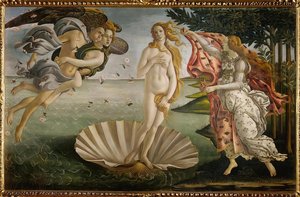
La obra de Botticelli se caracteriza por una elegante linealidad, que conecta el gótico tardío italiano con el Renacimiento temprano. Sus obras más famosas, El nacimiento de Venus y Primavera, se exhiben en la Galería Uffizi en Florencia, que alberga una importante colección de su arte. * El nacimiento de Venus (ver en AllPaintingsStore) * Primavera (explorar el arte de Sandro Botticelli en AllPaintingsStore) * La natividad mística (Galería Nacional, Londres), fechada en 1501, es la única obra de Botticelli con una fecha clara.Legado e influencia
El estilo de Botticelli evolucionó hacia un enfoque más personal en la década de 1490, divergente de sus contemporáneos como Leonardo da Vinci y el estilo del Alto Renacimiento emergente. Su obra ha sido reconocida como una contribución significativa al movimiento artístico del Renacimiento italiano. * El movimiento artístico del Renacimiento italiano * Sandro Botticelli en Wikipedia- Artistas notables del Renacimiento italiano incluyen a Sandro Botticelli, Leonardo da Vinci, Miguel Ángel y Tiziano.
- La Galería Uffizi de Florencia alberga una importante colección de arte de Botticelli.
- La obra de Botticelli ha sido reconocida como una figura clave en el Renacimiento temprano de la pintura italiana.
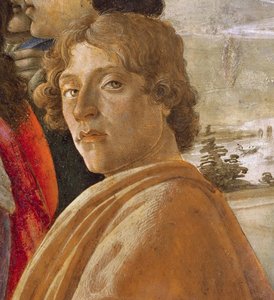
Sandro Botticelli
1445 - 1510 , Italia
Datos clave
- Artistas Que Influyeron:
- Fra Angelico
- Paolo Uccello
- Estilo Artístico: Renacimiento Temprano
- Fecha De Muerte: 1510
- Fecha De Nacimiento: c. 1445
- Influenciado A Artistas: ['Pre-Rafaelitas']
- Lugar De Nacimiento: Florencia, Italia
- Nacionalidad: Italiana
- Nombre Completo: Sandro Botticelli
- Obras Notables:
- El Nacimiento de Venus
- Primavera
- Natividad Mística
Artículos relacionados
Rafael: Las 25 Obras Maestras que Definen al Genio del Renacimiento | AllPaintingsStore
Descubre las 25 obras maestras de Rafael Sanzio, el genio del Renacimiento. Explora su historia, técnica y significado en pinturas icónicas como 'La Escuela de Atenas'. Reproducciones de arte de alta calidad para decorar tu hogar con elegancia. ¡Explora la colección completa en AllPaintingsStore.com!

The Dawn of a New Vision: Exploring Themes & Innovations in Early Renaissance Art (c. 1400-1500)
Explore the groundbreaking innovations & humanist ideals of Early Renaissance art (c. 1400-1500). Discover masterpieces by Botticelli, Fra Angelico & more. A deep dive for art enthusiasts.
Los 10 Maestros del Renacimiento Temprano: Arte que Transformó el Mundo |
Descubre los 10 maestros del Renacimiento Temprano: Botticelli, Leonardo da Vinci y más. Explora la historia, técnica y belleza de obras icónicas italianas. Reproducciones de arte exclusivas en .
Los 25 Tesoros del Uffizi: Arte Renacentista para tu Hogar | AllPaintingsStore
Descubre los 25 tesoros del Uffizi en Florencia: Botticelli, Leonardo da Vinci y más. Explora la historia, el arte renacentista y encuentra reproducciones de alta calidad para tu hogar. ¡Inspírate con AllPaintingsStore.com!

Botticelli: Las 25 Obras Maestras del Renacimiento para Decorar con Arte y Elegancia
Descubre las 25 obras maestras de Sandro Botticelli, el genio del Renacimiento italiano. Explora 'El Nacimiento de Venus', 'Primavera' y más: historia, técnica y belleza clásica. Encuentra reproducciones de arte exclusivas en AllPaintingsStore.com.