


 Ver en contexto
 Enviar
 Compartir
 Detalles

 Descargar
 Similares
 Radiografía
 Presentación de diapositivas
Purgatory

 Ver más
Reproducción al óleo hecha a mano
Óleo sobre lienzo pintado a mano en el tamaño y marco de su elección, realizado por encargo por nuestros artistas. ( Comprar impresión Comprar imagen)




































Elija entre nuestros tamaños predefinidos que respetan las proporciones originales de la obra.

Puede ingresar sus propias dimensiones para adaptarse a un marco o espacio específico. Si el tamaño seleccionado no coincide con las proporciones de la imagen original, recortaremos la obra o extenderemos la pintura con elementos adicionales pintados a mano. Se le enviará una maqueta digital para su aprobación antes de comenzar la producción.
Tenga en cuenta que la vista previa en pantalla no refleja el recorte o la extensión reales. Solo la maqueta mostrará con precisión la composición final.
Si bien existen tamaños personalizados, recomendamos seleccionar una dimensión de la lista predefinida para preservar las proporciones originales.
Tras realizar el pedido, el equipo de AllPaintingsStore.com enviará un correo electrónico al cliente para solicitar instrucciones y proporcionarle una vista previa del boceto.
Envío a todo el mundo () en 3-4 semanas en lugar de las 5 semanas estándar. (23 agosto). Sin comprometer la calidad.

Envío exprés gratuito a todo el mundo

Lienzo de lino de alta calidad

Seguro de envío total

Garantía de reembolso de impuestos aduaneros

Garantía de fidelidad cromática exacta

Política de devolución de 60 días (solo por defectos)

Garantía de devolución del 100% del dinero

Descuento por cantidad
 La opción de vidrio solo está disponible en tamaños inferiores a 110 cm.

Purgatory
Técnica de reproducción
Dimensiones de la reproducción
-


Precio total final
$ 608
Descripción de la obra
Botticelli's Vision of Purgatory: A Detailed Study
The preparatory drawing for Botticelli’s depiction of Purgatory stands as a remarkable testament to the artist’s meticulous observation and masterful execution—a window into the creative process behind one of Renaissance art’s most iconic images. Executed in pen and ink on paper, this study transcends mere technical demonstration; it embodies Botticelli's signature style, infused with humanist ideals and steeped in theological contemplation. It offers invaluable insight into how he envisioned Dante Alighieri’s harrowing journey through the afterlife, capturing not just the visual elements but also the profound spiritual atmosphere of purgatorial torment.Composition and Spatial Arrangement
Botticelli’s compositional strategy prioritizes conveying a sense of hierarchy and movement within the confines of a relatively small surface area. The drawing depicts Purgatory as a layered landscape—a tiered structure ascending towards heaven—populated by figures engaged in various stages of purification. At the uppermost level, a group of saints observes the scene below, symbolizing divine judgment and guiding souls toward salvation. Central to the composition is a monumental edifice adorned with intricate architectural details, representing purgatorial purgatories where penitents confront their sins and strive for redemption. Below this dominant structure sprawl undulating plains populated by tormented souls—a chaotic yet purposeful arrangement designed to communicate the arduous process of spiritual cleansing. The artist skillfully utilizes perspective to create depth and convey the overwhelming scale of purgatory’s expanse.Technique: Linearity and Shading – Botticelli's Signature Style
Botticelli’s technique is characterized by an unwavering commitment to linear precision—a hallmark of Florentine disegno, or drawing—combined with subtle shading to achieve remarkable realism. The artist employs hatching and cross-hatching extensively to render form and volume, capturing the textures of drapery, stone, and flesh with astonishing accuracy. Fine lines delineate anatomical features and clothing folds, demonstrating Botticelli’s profound understanding of human anatomy gleaned from his studies at Vesuvian Medical School. Furthermore, he skillfully manipulates tonal variations—ranging from pale grey to darker shades—to simulate light and shadow, creating a palpable sense of atmosphere and conveying the emotional intensity of the scene. The meticulous attention to detail reflects Botticelli's belief in disegno as the foundation for painting, ensuring that any subsequent fresco would possess an unparalleled level of expressive power.Historical Context: Dante’s Inferno and Renaissance Theology
Botticelli’s drawing emerged from a fervent intellectual climate dominated by Dante Alighieri’s *Inferno*, published in 1308—a seminal work of medieval literature that profoundly influenced artistic sensibilities. Dante's depiction of Hell captivated the imagination of artists and intellectuals alike, prompting them to explore themes of morality, sin, and divine retribution. Botticelli’s commission to depict Purgatory for Lorenzo de Medici—the Magnificent—underscored the importance of humanist ideals within Florentine culture. The Renaissance preoccupation with classical antiquity fueled a renewed interest in human anatomy and proportion, informing Botticelli's artistic endeavors. Moreover, theological considerations shaped his interpretation of purgatorial torment—representing not merely physical suffering but also spiritual purification through repentance and contrition.Symbolism: Flames, Architecture, and Divine Guidance
The drawing is replete with symbolic imagery reflecting Dante’s theological framework. The dominant presence of flames symbolizes the purifying fire that consumes sins and expels impurities from souls destined for heaven. These flames are depicted as swirling vortices—a visual metaphor for the turbulent process of spiritual transformation. Architectural elements—particularly the edifice at the center—represent purgatorial purgatories governed by divine justice, where penitents confront their transgressions and strive to attain redemption. The saints observing the scene embody divine compassion and guidance—representing God’s benevolent intervention in humanity's struggle for salvation. Botticelli’s masterful use of symbolism elevates his drawing beyond mere visual representation, transforming it into a profound meditation on faith, morality, and the ultimate destiny of humankind.Emotional Impact: A Momentary Glimpse Into Dante’s Journey
Ultimately, Botticelli’s preparatory study succeeds in capturing the emotional core of Dante’s *Divine Comedy*. The drawing conveys a palpable sense of solemnity—reflecting the gravity of purgatorial torment and the seriousness of spiritual contemplation. Yet, amidst the depiction of suffering, there exists an underlying current of hope—expressed through the luminous saints and the upward trajectory of the architectural structure—affirming the belief in divine mercy and the possibility of eternal salvation. This drawing serves as a poignant reminder that Botticelli’s artistic vision transcended mere technical skill; it embodied a deep engagement with humanist ideals and theological convictions—resulting in an enduring masterpiece that continues to inspire awe and contemplation centuries later.Obras relacionadas


Biografía del artista
vida temprana y formación
Sandro Botticelli, nacido Alessandro di Mariano di Vanni Filipepi alrededor de 1445, fue una figura clave en el Renacimiento temprano de la pintura italiana. Inicialmente eclipsado post mortem, la obra de Botticelli fue revitalizada a finales del siglo XIX por los pre-rafaelitas, lo que llevó a una reevaluación de sus contribuciones artísticas. Botticelli nació en Florencia, Italia, y vivió toda su vida en el mismo barrio. Su familia, incluyendo a su padre Mariano di Vanni d'Amadeo Filipepi, estuvo involucrada en diversas profesiones, lo que les permitió entrar en contacto con artistas. Giorgio Vasari informó que Botticelli fue inicialmente entrenado como joyero.Estilo artístico y obras notables
La obra de Botticelli se caracteriza por una elegante linealidad, que conecta el gótico tardío italiano con el Renacimiento temprano. Sus obras más famosas, El nacimiento de Venus y Primavera, se exhiben en la Galería Uffizi en Florencia, que alberga una importante colección de su arte. * El nacimiento de Venus (ver en AllPaintingsStore) * Primavera (explorar el arte de Sandro Botticelli en AllPaintingsStore) * La natividad mística (Galería Nacional, Londres), fechada en 1501, es la única obra de Botticelli con una fecha clara.Legado e influencia
El estilo de Botticelli evolucionó hacia un enfoque más personal en la década de 1490, divergente de sus contemporáneos como Leonardo da Vinci y el estilo del Alto Renacimiento emergente. Su obra ha sido reconocida como una contribución significativa al movimiento artístico del Renacimiento italiano. * El movimiento artístico del Renacimiento italiano * Sandro Botticelli en Wikipedia- Artistas notables del Renacimiento italiano incluyen a Sandro Botticelli, Leonardo da Vinci, Miguel Ángel y Tiziano.
- La Galería Uffizi de Florencia alberga una importante colección de arte de Botticelli.
- La obra de Botticelli ha sido reconocida como una figura clave en el Renacimiento temprano de la pintura italiana.
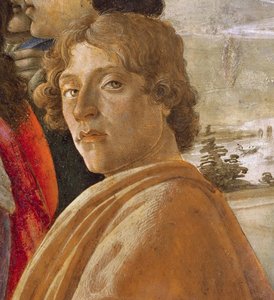
Sandro Botticelli
1445 - 1510 , Italia
Datos clave
- Artistas Que Influyeron:
- Fra Angelico
- Paolo Uccello
- Estilo Artístico: Renacimiento Temprano
- Fecha De Muerte: 1510
- Fecha De Nacimiento: c. 1445
- Influenciado A Artistas: ['Pre-Rafaelitas']
- Lugar De Nacimiento: Florencia, Italia
- Nacionalidad: Italiana
- Nombre Completo: Sandro Botticelli
- Obras Notables:
- El Nacimiento de Venus
- Primavera
- Natividad Mística
Artículos relacionados

Botticelli: Las 25 Obras Maestras del Renacimiento para Decorar con Arte y Elegancia
Descubre las 25 obras maestras de Sandro Botticelli, el genio del Renacimiento italiano. Explora 'El Nacimiento de Venus', 'Primavera' y más: historia, técnica y belleza clásica. Encuentra reproducciones de arte exclusivas en AllPaintingsStore.com.
Dante Gabriel Rossetti: Las 25 Obras Maestras del Prerrafaelismo | AllPaintingsStore
Descubre las 25 obras maestras de Dante Gabriel Rossetti, el máximo exponente del Prerrafaelismo. Explora su simbolismo, retratos victorianos y la belleza femenina en lienzos inolvidables. Reproducciones de arte exclusivas en AllPaintingsStore.com.
Los 10 Maestros del Renacimiento Temprano: Arte que Transformó el Mundo |
Descubre los 10 maestros del Renacimiento Temprano: Botticelli, Leonardo da Vinci y más. Explora la historia, técnica y belleza de obras icónicas italianas. Reproducciones de arte exclusivas en .

The Nuances of Graphite: Exploring Emotional Depth & Technical Mastery in Pencil Drawing
Explore the captivating world of graphite drawing! Discover its rich history, master essential techniques like chiaroscuro, and learn how artists evoke emotion through this timeless medium. Expert insights for art enthusiasts.

Mastering the Line: A Comprehensive Expert Guide to Technical Precision and Expressive Depth in Drawing
Elevate your artistic practice with this expert guide to mastering the line. Discover advanced techniques in graphite, charcoal, and contour drawing designed for art students seeking technical precision and expressive depth in their fine art studies.


