


 Vista previa
 Compartir
 Compartir
 Ver detalles

 Descargar
 Ver similares
 Radiografía
 Presentación de diapositivas
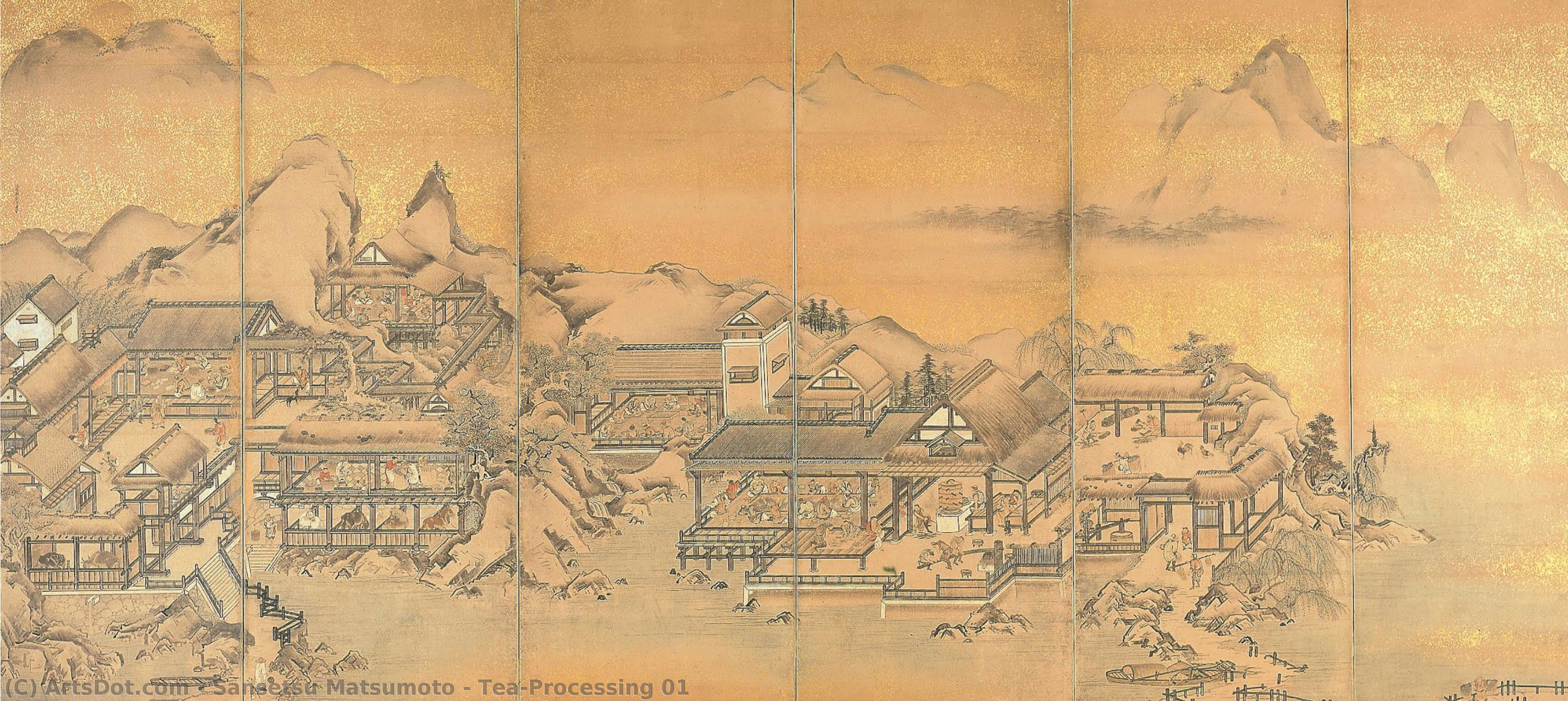
Tea-Processing 01
 161.0 x 360.0 cm
 Leer más
Reproducción al óleo hecha a mano
Óleo sobre lienzo pintado a mano en el tamaño y marco de su elección, realizado por encargo por nuestros artistas. ( Pedir impresión Comprar descarga)




































Elija entre nuestros tamaños predefinidos que respetan las proporciones originales de la obra.

Puede ingresar sus propias dimensiones para adaptarse a un marco o espacio específico. Si el tamaño seleccionado no coincide con las proporciones de la imagen original, recortaremos la obra o extenderemos la pintura con elementos adicionales pintados a mano. Se le enviará una maqueta digital para su aprobación antes de comenzar la producción.
Tenga en cuenta que la vista previa en pantalla no refleja el recorte o la extensión reales. Solo la maqueta mostrará con precisión la composición final.
Si bien existen tamaños personalizados, recomendamos seleccionar una dimensión de la lista predefinida para preservar las proporciones originales.
Tras realizar el pedido, el equipo de AllPaintingsStore.com enviará un correo electrónico al cliente para solicitar instrucciones y proporcionarle una vista previa del boceto.
Envío a todo el mundo () en 3-4 semanas en lugar de las 5 semanas estándar. (20 agosto). Sin comprometer la calidad.

Envío exprés gratuito a todo el mundo

Lienzo de lino de alta calidad

Seguro de envío completo

Garantía de reembolso de aranceles aduaneros

Garantía de fidelidad cromática exacta

Política de devolución de 60 días (solo por defectos)

Garantía de devolución del 100% del dinero

Oferta por volumen
 La opción de vidrio solo está disponible en tamaños inferiores a 110 cm.

Tea-Processing 01
Técnica de reproducción
Tamaño de la reproducción
-


Precio total
$ 258
Obras relacionadas


Biografía del artista
Sansetsu Matsumoto: Harmony Between Man and Nature in Edo Period Ink Paintings
Sansetsu Matsumoto (松本人左衛門), born around 1589 and died in Kyoto in 1651, stands as a pivotal figure within the artistic landscape of Japan’s Edo period—a time marked by social stability under Tokugawa rule and an unparalleled flourishing of cultural expression. Though biographical details remain somewhat sparse due to the limitations of historical records, Matsumoto's legacy rests firmly upon his mastery of *sumō* (墨画), specifically landscapes rendered in monochrome ink wash technique, which cemented his reputation as one of Kyoto’s most esteemed court painters. His work embodies a profound aesthetic sensibility rooted in Zen Buddhism and Confucian ideals—a dedication to capturing the essence of nature not merely as an object of observation but as a conduit for spiritual contemplation.- Early Life and Training: Matsumoto's origins are shrouded in obscurity, with scant documentation regarding his family lineage or formative years. However, he emerged from Kyoto’s artistic milieu—a tradition steeped in meticulous craftsmanship and philosophical depth—where he honed his skills under the tutelage of influential masters like Kobori Fumio (後藤藤三郎), a renowned landscape architect who championed the principles of *wabi-sabi* (侘寂)—the beauty of imperfection and transience. This training instilled within Matsumoto a deep appreciation for simplicity, asymmetry, and the subtle nuances of natural phenomena.
- Service to Iyo Matsuyama Han: Matsumoto’s artistic career gained considerable prominence through his service as a court painter for Iyo Matsuyama han (伊予松山藩), a feudal domain governed by Tokugawa Yoshimune. During this period, he produced a prolific body of work—primarily landscapes—that served both decorative and propagandistic purposes. These paintings skillfully conveyed the grandeur of the han’s territory while simultaneously reflecting the Confucian emphasis on benevolent governance and harmonious relations between ruler and subject.
- Notable Landscapes: Among Matsumoto's celebrated works are depictions of Mount Yoshino (吉野山), a sacred site revered for its cherry blossoms, and landscapes surrounding Kyoto’s Kamigamo Shrine (貴神神社). These paintings exemplify his ability to convey not just visual information but also emotional resonance—a palpable sense of tranquility and reverence for the natural world. The meticulous detail with which Matsumoto rendered individual trees, rocks, and ripples on water speaks volumes about his dedication to artistic precision.
- Influence and Legacy: Matsumoto’s influence extended far beyond his immediate contemporaries, shaping the trajectory of Edo period landscape painting and establishing a benchmark for aesthetic excellence. His unwavering adherence to *wabi-sabi* principles—the acceptance of imperfection as inherent beauty—became a cornerstone of Japanese artistic philosophy. Subsequent generations of painters drew inspiration from Matsumoto's masterful technique and profound contemplative spirit, ensuring that his legacy endured throughout the centuries.

sansetsu matsumoto
1676 - , Japan
Datos clave
- Artistic Movement Or Style: Edo Period
- Full Name: sansetsu matsumoto
- Nationality: Japanese
- Notable Artworks: ['Tea-Processing 01']
- Place Of Birth: Japan


