


 Ver en contexto
 Enviar
 Compartir
 Detalles
 Guía
Guía

 Descargar
 Similares
 Radiografía
 Presentación de diapositivas
 Estadísticas
Spring
 Oil
Oil- WallArt
- Young Poland
 19th Century
 5.0 x 59.0 cm
 Museo Masóvia
 Ver más
Giclée / Impresión de arte
Impresiones giclée o en lienzo de calidad de museo con producción rápida y opciones de acabado flexibles. ( Comprar pintura hecha a mano Cambiar a imagen digital)




P118B €10

P118H €10

P118W €10

P438Z €10

P508JH €12

P508YH €12

P805H €10

P805Z €10

P919BZ €10

P919G €10

P919XJ €10

P959ZH €10

P968JZ €12

W106C €8

W218G €10

W218JH €8

W218Y €10

W307PJ €10

W316G €10

W316PJ €8

W316Y €10

W398PJ €8

W4111J €10

W500HY €15

W500JH €15

W692G €12

W849H €8

W940BG €15

W953PJ €8




Elija entre nuestros tamaños predefinidos que respetan las proporciones originales de la obra.

Introduzca el ancho y el alto que necesite para adaptarse a su marco o pared. Una impresión solo puede recortarse, nunca hacerse más grande que la imagen original, por lo que un tamaño con una forma distinta perderá parte de la obra. Le enviaremos una maqueta digital para su aprobación antes de realizar cualquier impresión. La imagen que se muestra en esta página no refleja el recorte real; solo la maqueta lo hace.
Envío a todo el mundo () en 2 semanas en lugar de las 4/5 semanas estándar. (27 octubre)

Envío exprés gratuito a todo el mundo

Lienzo de lino de alta calidad

Seguro de envío total

Garantía de reembolso de aranceles aduaneros

Garantía de fidelidad cromática exacta

Política de devolución de 100 días (solo por defectos)

Garantía de devolución del 100% del dinero

Descuento por cantidad
 La opción de vidrio solo está disponible en tamaños inferiores a 110 cm.

Spring
Giclée / Impresión de arte
Dimensiones de la reproducción
-


Precio total final
€ 56
A Moment of Introspection: The Radiance of Spring
In the delicate brushstrokes of Teodor Axentowicz’s "Spring," we are invited into a private, sun-drenched sanctuary where time seems to pause. This captivating portrait captures a woman of striking presence, her vibrant red hair and matching hat serving as a brilliant focal point against the soft, natural light of an outdoor setting. As she gazceptively holds a mirror, gazing at her own reflection, the painting transcends mere portraiture to become a profound meditation on identity and self-perception. The composition is masterfully balanced; while the woman remains the emotional heart of the piece, subtle details such as a perched bird in the upper periphery and a quiet arrangement of a vase and book in the lower corner weave a narrative of peaceful coexistence between humanity and the natural world.
The technique employed here speaks to Axentowicz’s rigorous academic training in Munich and Paris. There is a palpable sense of texture in the way light dances across the fabric of her attire and the reflective surface of the mirror, suggesting a mastery of light and shadow that recalls the great masters he once studied. The artist utilizes a palette that celebrates the warmth of a burgeoning season, using luminous tones to evoke the gentle heat of a sunny day. This skillful application of paint creates an atmosphere that is both tactile and ethereal, making the scene feel as though it could be witnessed through a window into another era.
Symbolism and the Spirit of the Era
Beyond its aesthetic beauty, "Spring" carries deep symbolic weight. The mirror, a classic motif in art history, serves as a window into the soul, representing the duality of appearance and essence. In this context, the act of looking inward during the season of rebirth suggests a period of personal renewal and growth. The presence of the bird and the floral elements further reinforces the theme of vitality and the cyclical nature of life. As a key figure in the Young Poland movement, Axentowicz often infused his works with a sense of romanticism and national identity, and here, that spirit manifests as a quiet, introspective joy found in the simple beauty of the outdoors.
For the discerning collector or interior designer, this piece offers more than just visual elegance; it provides an emotional anchor for a room. The painting’s ability to evoke tranquility makes it an ideal centerpiece for spaces designed for contemplation, such as a library, a study, or a serene bedroom. Whether displayed as a high-quality reproduction in a modern gallery setting or integrated into a classical arrangement, "Spring" brings with it an enduring sense of grace and a timeless connection to the beauty of the natural world.
Preguntas y respuestas
¿Qué nivel de contraste presenta "Spring" de Teodor Axentowicz?
El contraste entre luces y sombras de "Spring" se registra como Gentle. El contraste describe la intensidad con la que difieren las zonas claras y oscuras.
¿Qué tan armoniosos son los colores de "Spring" de Teodor Axentowicz?
La armonía cromática de "Spring" se describe como Strong Color Unity.
¿Qué tono predominante recorre "Spring" de Teodor Axentowicz?
Un tono Ochre to Sepia recorre "Spring" de Teodor Axentowicz.
Obras relacionadas


Biografía del artista
Teodor Axentowicz: Vida y Legado
Primeros Años y Educación
- Teodor Axentowicz nació el 13 de mayo de 1859 en Brasov (en ese momento parte del Imperio Austrohúngaro, ahora Rumania) dentro de una familia con ascendencia polaca-armenia.
- Recibió su formación artística inicial en la Academia de Bellas Artes de Múnich entre 1879 y 1882.
- Axentowicz continuó sus estudios en París bajo Carolus-Duran hasta 1895, un período crucial para desarrollar su estilo y técnica.
Desarrollo Artístico e Influencias
- Durante su tiempo en París, Axentowicz trabajó como copista, reproduciendo obras de maestros como Tiziano y Botticelli para publicaciones como *Le Monde Illustré*. Esto perfeccionó sus habilidades técnicas y profundizó su comprensión de la historia del arte.
- Sus primeros viajes a Londres y Roma le permitieron establecerse como pintor retratista.
- Se vio influenciado por la tradición académica, pero también comenzó a explorar enfoques más modernos para la pintura, particularmente en sus representaciones de la vida popular.
Colaboración en el Panorama de Racławice
- En 1894, Axentowicz colaboró con Wojciech Kossak y Jan Styka en el *Panorama de Racławice*, un monumental cuadro panorámico que conmemoraba la Batalla de Racławice durante la Rebelión de Kościuszko.
- Este proyecto fue una empresa significativa en la historia del arte polaco y demostró su capacidad para trabajar a gran escala y contribuir a las narrativas nacionales.
Profesor en la Academia de Kraków & Enfoque Artístico
- En 1895, Axentowicz se trasladó a Cracovia y se convirtió en profesor en la Academia de Bellas Artes local, un puesto que ocupó hasta 1934.
- Fundó una conservatoria artística para mujeres en 1897, demostrando su compromiso con la educación artística.
- Axentowicz es mejor conocido por sus retratos y escenas que representan la vida del pueblo Hutsul – un grupo étnico ucraniano que habita las montañas de los Cárpatos.
- Sus representaciones de la cultura Hutsul se caracterizan por su sensibilidad, realismo y vibrantes paletas de colores. Capturó sus rituales, costumbres y vida diaria con gran detalle.
Miembro de Sociedades Artísticas & Reconocimiento
- Fue miembro fundador de la sociedad *Sztuka* (Arte), un grupo importante dentro del movimiento Young Poland. Otros miembros incluyeron a Józef Chełmoński y Jan Stanisławski.
- Axentowicz se convirtió en Rector de la Academia de Bellas Artes de Cracovia en 1910.
- Recibió numerosos premios y elogios a lo largo de su carrera, incluidos medallas de oro en exposiciones internacionales en Berlín, St. Louis, Múnich, Londres, Venecia y París.
Vida Tardía e Importancia Histórica
- Axentowicz continuó pintando y exhibiendo su obra hasta su muerte el 26 de agosto de 1938 en Cracovia.
- Sus pinturas se conservan en importantes colecciones públicas en toda Polonia y en colecciones privadas en todo el mundo.
- Es recordado como una figura significativa en la historia del arte polaco, particularmente por sus contribuciones a la representación de la cultura popular y su papel en la configuración de la educación artística en Cracovia. Su obra proporciona valiosos conocimientos sobre las vidas y tradiciones del pueblo Hutsul durante un período de cambio cultural.

Teodor Axentowicz
1859 - 1938 , rumania
Datos clave
- Artistic Movement Or Style: Young Poland
- Artists Or Movements Influenced By This Artist: ['Sztuka Society']
- Artists Who Influenced This Artist: ['Carolus Duran']
- Date Of Birth: 1859-05-13
- Date Of Death: 1938-08-26
- Full Name: Teodor Axentowicz
- Nationality: Polaco-Armenio
- Notable Artworks:
- Panorama Racławice
- Vida Hutsul
- Retratos
- Place Of Birth: Brașov, Rumanía
Artículos relacionados

Crimson Threads of Narrative: Exploring Symbolism & Representation in Artworks Featuring the Red Dress
Explore the rich symbolism of the red dress in art history! From ancient power displays to iconic portraits like Cézanne’s 'Madame Cezanne', discover the cultural and artistic significance behind this captivating color. Expert analysis & insights.

Mark Rothko: Las 25 Obras Maestras que Definen la Expresión Abstracta | AllPaintingsStore
Descubre las 25 obras maestras de Mark Rothko, pionero del expresionismo abstracto. Explora la historia, el significado y los colores vibrantes que definen su arte emocional. Reproducciones de alta calidad en AllPaintingsStore.com.
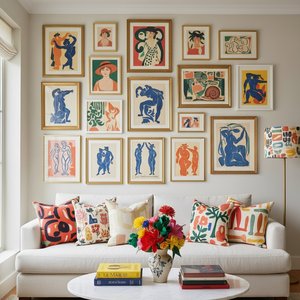
Henri Matisse: Las 25 Obras Maestras que Definieron un Genio del Color | AllPaintingsStore
Descubre las 25 obras maestras de Henri Matisse, el rey del color y padre del fauvismo. Explora su arte moderno, lienzos vibrantes y la historia detrás de cada pintura icónica. Encuentra reproducciones de alta calidad en AllPaintingsStore.com.

Las 10 Obras de Arte Más Tranquilizadoras para un Hogar Sereno |
Descubre las 10 obras de arte más tranquilas de Monet, Van Gogh y Turner. Explora su historia, técnica y el poder del color para crear serenidad en tu hogar. Reproducciones de museo en .

10 Obras Maestras que Evocan la Serenidad: Arte para un Hogar Tranquilo
Descubre 10 obras maestras de Monet, Van Gogh y más que evocan la serenidad. Explora el arte impresionista, paisajes zen y lienzos relajantes para un hogar tranquilo. Reproducciones de museo en AllPaintingsStore.com.

