


 Vista previa
 Compartir
 Compartir
 Ver detalles
 Guía
Guía

 Descargar
 Ver artículos similares
 Radiografía
 Presentación de diapositivas
 Estadísticas
Returning from the fields

 Leer más
Giclée / Impresión de arte
Impresiones giclée o en lienzo de calidad de museo con producción rápida y opciones de acabado flexibles. ( Encargar reproducción pintada a mano Ver versión en imagen digital)




































Elija entre nuestros tamaños predefinidos que respetan las proporciones originales de la obra.

Introduzca el ancho y el alto que necesite para adaptarse a su marco o pared. Una impresión solo puede recortarse, nunca hacerse más grande que la imagen original, por lo que un tamaño con una forma distinta perderá parte de la obra. Le enviaremos una maqueta digital para su aprobación antes de realizar cualquier impresión. La imagen que se muestra en esta página no refleja el recorte real; solo la maqueta lo hace.
Envío a todo el mundo () en 2 semanas en lugar de las 4/5 semanas estándar. (23 octubre)

Envío exprés gratuito a todo el mundo

Lienzo de lino de alta calidad

Seguro de envío completo

Garantía de reembolso de impuestos aduaneros

Garantía de fidelidad cromática exacta

Política de devolución de 100 días (solo por defectos)

Garantía de devolución del 100% del dinero

Oferta por volumen
 La opción de vidrio solo está disponible en tamaños inferiores a 110 cm.

Returning from the fields
Giclée / Impresión de arte
Tamaño de la reproducción
-


Precio total
€ 56
Obras relacionadas


Biografía del artista
Una visión serena del paisaje de Suffolk: Explorando la maestría de Thomas Smythe
Thomas Smythe (1825-1906) se erige como un testimonio del atractivo perdurable de la pintura de paisaje romántica, específicamente dentro del contexto de la Gran Bretaña victoriana. Nacido en Ipswich, Suffolk, surgió de una familia profundamente arraigada en la tradición artística —su hermano, Edward Smythe, también era pintor—, lo que fomentó un entorno que nutrió su talento innato y lo impulsó hacia una distinguida carrera dedicada a capturar la belleza de la Inglaterra rural. Aunque fue eclipsado por contemporáneos más extravagantes, la observación meticulosa y la ejecución magistral de Smythe han cosechado un renovado aprecio en las últimas décadas, consolidando su lugar como una figura significativa dentro del patrimonio artístico de Suffolk.- Primeros años y formación artística:
- Obras notables y temas recurrentes:
- Técnica y estilo: Influencias impresionistas:
- Legado y reconocimiento:
Primeros años y formación artística
Pocos detalles se conocen con certeza sobre los años formativos de Smythe, más allá de confirmar su nacimiento en Ipswich. Su familia poseía medios considerables y fomentaba las inquietudes artísticas dentro del hogar, proporcionándole acceso a recursos que, sin duda, contribuirían a su desarrollo como artista. Aunque su formación académica formal sigue siendo esquiva —los registros indican que fue en gran medida autodidacta—, la influencia de su hermano sirvió como un catalizador crucial para perfeccionar sus habilidades observacionales y dominar los fundamentos de la pintura. Las sensibilidades artísticas predominantes de la época —el énfasis del Romanticismo en la emoción, la grandeza sublime y las representaciones idealizadas de la naturaleza— moldearon indudablemente la visión estética de Smythe desde una edad temprana.Obras notables y temas recurrentes
La obra de Smythe comprende aproximadamente 300 pinturas centradas predominantemente en los paisajes de Suffolk y sus alrededores. Sin embargo, no se limitaba a documentar el escenario; impregnó sus lienzos con un sentido palpable de tranquilidad y encanto. Los animales —particularmente el ganado y las ovejas— aparecen con frecuencia en sus composiciones, simbolizando la inocencia pastoral y encarnando las virtudes asociadas con la vida rural. Quizás lo más cautivador sean los paisajes invernales de Smythe: escenas plasmadas con un detalle y una luminosidad asombrosos, que muestran pueblos de Suffolk cubiertos por una nieve blanca y prístina bajo cielos nublados. Estas imágenes resuenan profundamente en los espectadores actuales, capturando una cualidad atemporal que trasciende las convenciones estilísticas. Es particularmente notable “The Old Mill”, en Ipswich, que ejemplifica su capacidad para transmitir tanto la grandeza arquitectónica como la sutile de la atmósfera.Técnica y estilo: Influencias impresionistas
A pesar de operar dentro del marco romántico, el estilo artístico de Smythe demuestra influencias sutiles pero perceptibles del Impresionismo. A diferencia de las pinceladas más pesadas características de muchos pintores románticos, Smythe empleó una técnica más suelta —especialmente evidente en sus paisajes nevados— caracterizada por el color fragmentado y efectos de luz trémula. Mezcló los pigmentos con destreza para crear gradaciones tonales que capturaban las cualidades efímeras de la luz solar invernal, reflejando los esfuerzos pioneros de artistas como Claude Monet y Pierre-Auguste Renoir. Este enfoque innovador distingue a Smythe de sus pares y subraya su sensibilidad artística hacia la experiencia perceptiva.Legado y reconocimiento
Si bien la fama de Smythe durante su vida fue modesta, sus pinturas han experimentado un resurgimiento en popularidad en años recientes. Tanto coleccionistas como historiadores del arte reconocen la meticulosa atención al detalle del artista y su capacidad para evocar respuestas emocionales profundas. Las reproducciones de sus obras son cada vez más buscadas por entusiastas interesados en el patrimonio artístico de Suffolk, demostrando un aprecio perdurable por la visión serena de Smythe sobre la Inglaterra rural. La investigación continua sobre la vida y obra de Smythe sigue iluminando su contribución a la pintura de paisaje victoriana, asegurando que su legado perdure como un símbolo de belleza contenida y maestría artesanal.
Thomas Smythe
1825 - 1906 , Reino Unido
Datos clave
- Artistic Movement Or Style: Romanticismo
- Artists Or Movements Influenced By This Artist: ['Escuela del río Hudson']
- Artists Who Influenced This Artist: ['John Constable']
- Date Of Birth: 1825
- Date Of Death: 1906
- Full Name: Thomas Smythe
- Nationality: Británica
- Notable Artworks: ['Paisaje invernal con nieve']
- Place Of Birth: Suffolk, Inglaterra
Artículos relacionados

John Constable: Las 25 Obras Maestras del Paisaje Inglés | AllPaintingsStore
Descubre las 25 obras maestras de John Constable, el pintor romántico inglés que capturó la belleza del paisaje. Explora su técnica, historia y significado en AllPaintingsStore.com. Reproducciones de arte de alta calidad para tu hogar.

Cultivating Visions: A Historical Journey Through Rural Landscapes in Art
Explore the rich history of rural landscape painting with AllPaintingsStore. Discover Impressionist masterpieces, key artists & movements. Find your perfect serene artwork and bring nature's beauty home.
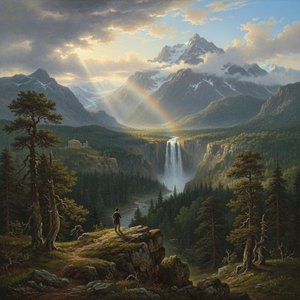
Evoking Nature's Sublime: A Comprehensive Exploration of 19th-Century Landscape Painting
Explore the captivating world of 19th-century landscape painting! Discover renowned artists like Friedrich & Monet, key movements, and find the perfect artwork to bring nature's serenity into your home. Expert insights at AllPaintingsStore.
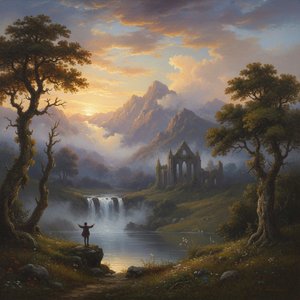
Evoking Emotion & Transcendence: Romantic Landscape Painting (18th-19th Century)
Explore the emotional depth of Romantic landscape painting (18th-19th century). Discover key artists like Friedrich & Cole, and the concepts of the sublime. Expert insights for art lovers & collectors.

Paisajes Románticos: 10 Obras Maestras que Definieron un Movimiento Artístico
Descubre los 10 paisajes románticos más influyentes de artistas como Caspar David Friedrich y Turner. Explora la belleza, el simbolismo y las técnicas del movimiento romántico. Reproducciones de arte exclusivas en AllPaintingsStore.com.

