Garantía de devolución · 100 días Envío gratuito a todo el mundo
449 581obras de arte 30 617artistas 4 705museos 32Idiomas
Moneda
    Idioma
      Atelier · Est. 2015 · París, Francia
      AllPaintingsStore
      allpaintingsstore.com
      Vista previa Vista previa en RA Cambiar a formato impreso Ver versión en imagen digital Compartir
      Ver detalles Guía Añadir a favoritos Descargar Ver artículos similares Radiografía Presentación de diapositivas Estadísticas

      Trees

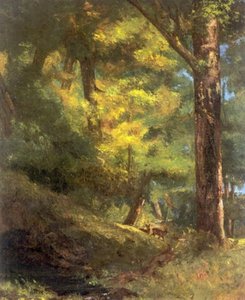
      Experience the serene harmony of nature with Thomas Stuart Smith's beautiful depiction of trees and figures in a woodland setting; discover this romantic masterpiece today.

      Thomas Stuart Smith fue un pintor escocés reconocido por escenas domésticas y paisajes rurales que reflejan la sensibilidad romántica de la época victoriana. Fundador del Museo Stirling Smith, sus obras destacaron por capturar la belleza cotidiana con una mirada detallada y emotiva.

      Reproducción al óleo hecha a mano

      Óleo sobre lienzo pintado a mano en el tamaño y marco de su elección, realizado por encargo por nuestros artistas. ( Cambiar a formato impreso Ver versión en imagen digital)

      Corner sample of the P118B picture frame: poliestireno moldeado, 5 cm wide and 3 cm thick
      P118B 10
      Corner sample of the P118H picture frame: poliestireno moldeado, 5 cm wide and 3 cm thick
      P118H 10
      Corner sample of the P118W picture frame: poliestireno moldeado, 5 cm wide and 3 cm thick
      P118W 10
      Corner sample of the P438Z picture frame: poliestireno moldeado, 5.5 cm wide and 3.5 cm thick
      P438Z 10
      Corner sample of the P508JH picture frame: poliestireno moldeado, 7 cm wide and 3.5 cm thick
      P508JH 12
      Corner sample of the P508YH picture frame: poliestireno moldeado, 7 cm wide and 3.5 cm thick
      P508YH 12
      Corner sample of the P805H picture frame: poliestireno moldeado, 5 cm wide and 3.5 cm thick
      P805H 10
      Corner sample of the P805Z picture frame: poliestireno moldeado, 5 cm wide and 3.5 cm thick
      P805Z 10
      Corner sample of the P919BZ picture frame: poliestireno moldeado, 7 cm wide and 3.5 cm thick
      P919BZ 10
      Corner sample of the P919G picture frame: poliestireno moldeado, 7 cm wide and 3.5 cm thick
      P919G 10
      Corner sample of the P919XJ picture frame: poliestireno moldeado, 7 cm wide and 3.5 cm thick
      P919XJ 10
      Corner sample of the P959ZH picture frame: poliestireno moldeado, 5 cm wide and 3 cm thick
      P959ZH 10
      Corner sample of the P968JZ picture frame: poliestireno moldeado, 6 cm wide and 4 cm thick
      P968JZ 12
      Corner sample of the W106C picture frame: madera maciza, 5 cm wide and 3 cm thick
      W106C 8
      Corner sample of the W218G picture frame: madera maciza, 5 cm wide and 3 cm thick
      W218G 10
      Corner sample of the W218JH picture frame: madera maciza, 5 cm wide and 3 cm thick
      W218JH 8
      Corner sample of the W218Y picture frame: madera maciza, 5 cm wide and 3 cm thick
      W218Y 10
      Corner sample of the W307PJ picture frame: madera maciza, 6 cm wide and 3 cm thick
      W307PJ 10
      Corner sample of the W316G picture frame: madera maciza, 6 cm wide and 3 cm thick
      W316G 10
      Corner sample of the W316PJ picture frame: madera maciza, 6 cm wide and 3 cm thick
      W316PJ 8
      Corner sample of the W316Y picture frame: madera maciza, 6 cm wide and 3 cm thick
      W316Y 10
      Corner sample of the W398PJ picture frame: madera maciza, 5 cm wide and 3 cm thick
      W398PJ 8
      Corner sample of the W4111J picture frame: madera maciza, 6.5 cm wide and 3.5 cm thick
      W4111J 10
      Corner sample of the W500HY picture frame: madera maciza, 7 cm wide and 5 cm thick
      W500HY 15
      Corner sample of the W500JH picture frame: madera maciza, 7 cm wide and 5 cm thick
      W500JH 15
      Corner sample of the W692G picture frame: madera maciza, 8 cm wide and 4 cm thick
      W692G 12
      Corner sample of the W849H picture frame: madera maciza, 5 cm wide and 3 cm thick
      W849H 8
      Corner sample of the W940BG picture frame: madera maciza, 7.5 cm wide and 4.5 cm thick
      W940BG 15
      Corner sample of the W953PJ picture frame: madera maciza, 6 cm wide and 3.5 cm thick
      W953PJ 8

      Estándar
      personalizado
      CM
      INCH

      Elija entre nuestros tamaños predefinidos que respetan las proporciones originales de la obra.

      ancho
      altura

      Puede ingresar sus propias dimensiones para adaptarse a un marco o espacio específico. Si el tamaño seleccionado no coincide con las proporciones de la imagen original, recortaremos la obra o extenderemos la pintura con elementos adicionales pintados a mano. Se le enviará una maqueta digital para su aprobación antes de comenzar la producción.
      Tenga en cuenta que la vista previa en pantalla no refleja el recorte o la extensión reales. Solo la maqueta mostrará con precisión la composición final.
      Si bien existen tamaños personalizados, recomendamos seleccionar una dimensión de la lista predefinida para preservar las proporciones originales.

      Ejemplos de lo que se puede personalizar: Reemplace el rostro con una foto del cliente; Agregue una mascota (por ejemplo, cambie un gato por un perro); Incluya un mensaje oculto en el fondo; Cambie el paisaje o los elementos del fondo.
      Tras realizar el pedido, el equipo de AllPaintingsStore.com enviará un correo electrónico al cliente para solicitar instrucciones y proporcionarle una vista previa del boceto.

      Envío a todo el mundo () en 3-4 semanas en lugar de las 5 semanas estándar. (13 octubre). Sin comprometer la calidad.

      Envío exprés gratuito a todo el mundo
      Lienzo de lino de alta calidad
      Seguro de envío completo
      Garantía de reembolso de impuestos aduaneros
      Garantía de fidelidad cromática exacta
      Política de devolución de 100 días (solo por defectos)
      Garantía de devolución del 100% del dinero
      Oferta por volumen

      Precio total

      € 222

      Trees

      Técnica de reproducción

      Tamaño de la reproducción

      -

      Precio total

      € 222

      Datos clave

      • Artist: Thomas Stuart Smith
      • Subject or theme: Nature; Forest scene with people

      Cuestionario de arte

      Cada pregunta tiene una única respuesta correcta.

      Pregunta 1:
      What is the primary subject matter depicted in the painting 'Trees'?
      Pregunta 2:
      Which artist is credited with the painting 'Trees'?
      Pregunta 3:
      The presence of people in the scene suggests what aspect of the painting's theme?
      Pregunta 4:
      Thomas Stuart Smith's artistic style is noted for bridging which two elements?
      Pregunta 5:
      The overall atmosphere captured by the painting 'Trees' is described as:

      A Verdant Embrace: Exploring Thomas Stuart Smith's "Trees"

      To gaze upon Thomas Stuart Smith’s "Trees" is to step through an unseen portal into a moment of profound natural tranquility. This painting is far more than a mere depiction of foliage; it is a carefully composed meditation on the enduring relationship between humanity and the wild, untamed beauty of nature. The scene unfolds within a lush woodland setting, where every leaf seems imbued with the deep, saturated green of life itself. Smith masterfully captures the layered depth of a forest—the immediate intimacy of foreground branches contrasts beautifully with the hazy mystery of trees receding into the background.

      The Harmony of Figure and Flora

      What elevates this piece beyond simple landscape painting is the subtle inclusion of human presence. Scattered within the verdant tapestry are two figures, positioned thoughtfully to guide the viewer's eye through the composition. They do not dominate the scene; rather, they inhabit it. Their quiet contemplation amidst the towering woods suggests a moment paused—a breath taken by wanderers who have found solace in nature’s embrace. This juxtaposition speaks volumes about the Romantic ideal: man finding his place, and perhaps even his soul, within the grandeur of the natural world. It invites us to consider our own moments of respite.

      Technique and the Romantic Gaze

      Smith's technique here reveals a painter deeply attuned to both scientific observation and emotional resonance. While the structure is rooted in detailed landscape rendering—the varied textures of bark, the overlapping planes of leaves—there is an undeniable sweep of Romantic idealism guiding the brushwork. The atmosphere itself feels palpable; one can almost hear the rustle of unseen creatures or feel the cool dampness rising from the forest floor. For those who appreciate art that balances meticulous detail with emotional scope, this work offers a perfect study in atmospheric perspective and naturalistic color harmony.

      Symbolism of the Woods

      Throughout art history, the woods have served as potent symbols—a place of mystery, rebirth, and introspection. In "Trees," the dense foliage acts as both a shelter and a veil, suggesting secrets held just out of sight. The journey into this painted forest mirrors an internal journey; the figures appear to be on a path toward understanding or peace. It is a visual poem about finding clarity away from the clamor of industrialized life, echoing the intellectual currents that shaped Victorian sensibilities while retaining a timeless, pastoral yearning.

      Bringing the Woodland Home

      For collectors and designers seeking an artwork that whispers serenity into a modern space, this reproduction offers unparalleled depth. The dimensions of 38 x 27 cm allow it to function beautifully as a focal point—whether placed above a console table or nestled within a gallery grouping. Owning "Trees" is not just acquiring art; it is curating an atmosphere of enduring calm, allowing the viewer to reconnect with that primal, restorative feeling found only deep within the heart of nature.

      Preguntas y respuestas

      ¿Qué paleta y qué color predominante definen a "Trees"?

      "Trees" se define por una paleta de Dark liderada por Clay (#936f30).

      ¿Quién creó "Trees" y a qué estilo pertenece?

      Detrás de "Trees" se encuentran Thomas Stuart Smith y el movimiento Romanticism.

      ¿Qué representa "Trees" de Thomas Stuart Smith y qué atmósfera transmite?

      "Trees" de Thomas Stuart Smith combina forest scene, trees, nature, people, romanticism, outdoors, serene atmosphere con una atmósfera Serene.

      ¿Es "Trees" de Thomas Stuart Smith de dominio público y por qué?

      "Trees" de Thomas Stuart Smith es de en el dominio público: sus derechos de autor han expirado. La duración de los derechos de autor comienza a partir del fallecimiento del artista, que ocurrió en 1869.

      ¿Cómo se encuentran el movimiento y la época en "Trees" de Thomas Stuart Smith?

      "Trees" pertenece al movimiento Romanticism, y su creador trabajó en la época Siglo XIX.

      ¿Qué atmósfera transmite "Trees"?

      El ambiente general de "Trees" de Thomas Stuart Smith es Serene. Esta atmósfera describe la esencia general de la obra.

      ¿Qué técnica y dimensiones tiene la obra original "Trees" de Thomas Stuart Smith?

      La técnica de "Trees" de Thomas Stuart Smith es Oil On Canvas y sus dimensiones registradas son 38 x 27 cm.

      ¿Puedo ver "Trees" de Thomas Stuart Smith bajo diferentes luces?

      La vista de rayos X de "Trees" de Thomas Stuart Smith se encuentra en la página Rayos X de la obra: un examen interactivo de la imagen a través de once capas ópticas.


      Biografía del artista

      La grandeza silenciosa de Thomas Stuart Smith

      Thomas Stuart Smith (1815–1869) permanece como una figura singular y evocadora en el tapiz de la historia del arte escocés, un pintor que poseía la rara habilidad de tender un puente entre las imponentes cumbres emocionales del Romanticismo y la tierna y arraigada intimidad de la observación cotidiana. Nacido en una vida moldeada por circunstancias poco convencionales —como sobrino ilegítimo de Alexander Smith, cuya propiedad en Glassingall, cerca de Dunblane, proporcionó un trasfondo de prestigio intelectual y terrateniente—, los primeros años de Smith estuvieron marcados por una amplitud cosmopolita. Sus viajes formativos por Francia y su posterior regreso a Inglaterra le permitieron absorber las corrientes cambiantes de la estética europea, fomentando una perspectiva que se nutría tanto de la indagación científica como de la pasión artística.

      Su vida y su obra estuvieron profundamente imbuidas en la atmósfera transformadora de la era victoriana. Mientras muchos de sus contemporáneos buscaban capturar los cambios monumentales de la industrialización a través de narrativas heroicas, Smith dirigió su mirada hacia el interior y hacia el hogar. Encontró un significado profundo en los sutiles matices de la domesticidad, capturando interiores galeses bañados por una luz suave y difusa, y cocinas rebosantes de las textáiles vibrantes de productos frescos. Sus lienzos servían como ventanas a la experiencia humana, donde la profundidad psicológica de un retrato era tan significativa como el peso atmosférico de un paisaje.

      Una síntesis de realismo y romanticismo

      La brillantez de la técnica de Smith reside en su magistral síntesis de movimientos aparentemente opuestos. Se sintió profundamente conmovido por la Hermandad Prerrafaelita, extrayendo inspiración de la meticulosa precisión botánica y la exactitud atmosférica defendidas por maestros como y William Holman Hunt. Esta influencia es visible en su compromiso con la observación veraz; se acercaba al mundo natural con un ojo agudo para el detalle que honraba la integridad de cada hoja, sombra y pliegue de tela.

      Sin embargo, bajo esta capa de realismo meticuloso latía un corazón empapado de Romanticismo. Smith no se limitaba a documentar la realidad; buscaba evocar estados de ánimo. A través de una experimentación innovadora con la luz y la perspectiva, infundió sus escenas con un sentido de anhelo y emoción sublime. Su obra oscila a menudo entre los siguientes elementos:

      • Lo íntimo: Un enfoque en los momentos silenciosos y no observados de la vida diaria y el comentario social.
      • Lo atmosférico: El uso de la luz para crear una sensación de profundidad temporal y resonancia emocional.
      • Lo observacional: Una rigurosa dedicación a las texturas y verdades botánicas del mundo natural.

      Legado y espíritu filantrópico

      Más allá de sus contribuciones al lienzo, Thomas Stuart Smith dejó una huella indeleble en el paisaje cultural de Escocia a través de su compromiso con la educación y la preservación del arte. Su legado se siente quizás de forma más tangible a través de su papel como fundador de la Stirling Smith Art Gallery and Museum. Este acto de filantropía aseguró que la belleza que él buscaba capturar permaneciera accesible para las generaciones futuras, consolidando su nombre no solo como un creador de imágenes, sino como un guardián del patrimonio.

      En la historia del arte del siglo XIX, Smith se erige como un puente entre eras. Navegó la transición desde las visiones grandiosas e idealizadas de principios de siglo hacia el realismo más arraigado y socialmente consciente que definiría gran parte del periodo victoriano tardío. Su capacidad para encontrar lo extraordinario dentro de lo ordinario continúa resonando, recordándonos que las verdades más profundas suelen encontrarse en los rincones más silenciosos de nuestra existencia.

      Thomas Stuart Smith

      Thomas Stuart Smith

      1815 - 1869 , Escocia

      Datos clave

      • Artistic Movement Or Style: Romanticismo
      • Date Of Birth: 1815
      • Date Of Death: 1869
      • Full Name: Thomas Stuart Smith
      • Nationality: Escocés
      • Notable Artworks:
        • Sun through the Mist
        • Trabajo en la cocina
      • Place Of Birth: Escocia