


 Ver en contexto
 Enviar
 Compartir
 Detalles

 Descargar
 Similares
 Radiografía
 Presentación de diapositivas
Francis Bitter Root

 Ver más
Giclée / Impresión de arte
Impresiones giclée o en lienzo de calidad de museo con producción rápida y opciones de acabado flexibles. ( Comprar pintura hecha a mano Comprar imagen)




P118B $10

P118H $10

P118W $10

P438Z $10

P508JH $12

P508YH $12

P805H $10

P805Z $10

P919BZ $10

P919G $10

P919XJ $10

P959ZH $10

P968JZ $12

W106C $8

W218G $10

W218JH $8

W218Y $10

W307PJ $10

W316G $10

W316PJ $8

W316Y $10

W398PJ $8

W4111J $10

W500HY $15

W500JH $15

W692G $12

W849H $8

W940BG $15

W953PJ $8




Elija entre nuestros tamaños predefinidos que respetan las proporciones originales de la obra.

Puede introducir sus propias dimensiones para adaptarse a un marco o espacio específico. Si el tamaño seleccionado no coincide con las proporciones de la imagen original, recortaremos la obra de arte o extenderemos la imagen con un borde con efecto espejo o de color sólido. Se enviará una maqueta digital para su aprobación antes de que comience la producción.
Tenga en cuenta que la vista previa en pantalla no refleja el recorte o la extensión real. Solo la maqueta mostrará con precisión la composición final.
Aunque existen tamaños personalizados, recomendamos seleccionar una dimensión de la lista predefinida para preservar las proporciones originales.
Envío a todo el mundo () en 2 semanas en lugar de las 4/5 semanas estándar. (23 agosto)

Envío exprés gratuito a todo el mundo

Lienzo de lino de alta calidad

Seguro de envío total

Garantía de reembolso de impuestos aduaneros

Garantía de fidelidad cromática exacta

Política de devolución de 60 días (solo por defectos)

Garantía de devolución del 100% del dinero

Descuento por cantidad
 La opción de vidrio solo está disponible en tamaños inferiores a 110 cm.

Francis Bitter Root
Giclée / Impresión de arte
Dimensiones de la reproducción
-


Precio total final
$ 64
Obras relacionadas


Biografía del artista
Tom J. Moore: A Window into a Lost World
Tom J. Moore (1887-1958) wasn’t merely an artist; he was a meticulous chronicler of a rapidly vanishing world – the lives and traditions of Native American tribes in the American West during the early 20th century. His prolific output, numbering over six hundred portraits, offers an invaluable visual record, providing intimate glimpses into the cultures of the Flathead and Shoshoni peoples that were undergoing profound transformation. More than just likenesses, Moore’s paintings are imbued with a deep respect for his subjects, capturing not only their physical appearance but also their dignity, spirit, and connection to the land.
Born in 1887, Moore's artistic journey began later than many of his contemporaries. He initially pursued a career as a journalist, working for newspapers in Michigan and eventually relocating to San Francisco. It was during this period that he encountered Native American communities, sparking a lifelong fascination with their traditions and a desire to document them through art. He meticulously studied the tribes he painted, spending considerable time observing their daily routines, ceremonies, and social structures. This dedication went beyond simple observation; Moore actively sought to understand the cultural significance of each element he depicted – from the intricate beadwork adorning clothing to the symbolic meaning behind tribal markings.
The Method of Portraiture
Moore’s approach to portraiture was remarkably detailed and painstaking. He rarely worked directly on location, preferring to build a comprehensive library of reference photographs before beginning his paintings. These photographs were meticulously arranged, allowing him to analyze the subjects' features, clothing, and accessories with precision. His studio became a carefully constructed archive of Native American life. He employed a distinctive technique – often working in oil on canvas – that emphasized realism while simultaneously conveying a sense of timelessness. The backgrounds, frequently depicting landscapes or tribal dwellings, were rendered with a muted palette, drawing attention to the figures themselves and reinforcing their connection to the environment.
A key element of Moore’s process involved extensive conversations with his subjects. He wasn't simply asking for a pose; he engaged in dialogue, learning about their histories, beliefs, and aspirations. These interactions informed not only the composition of the portraits but also the expressions captured on the faces of the individuals depicted. He sought to portray them as complex human beings, resisting simplistic stereotypes often perpetuated by Western society.
Subjects and Cultural Significance
Moore’s subjects were primarily members of the Flathead and Shoshoni tribes, both of whom faced immense challenges during this period – including displacement from their ancestral lands, assimilation pressures, and the erosion of traditional ways of life. His portraits offer a poignant testament to the resilience and dignity of these communities. Figures like Francis Bitter Root, Frank Bluehorse Flathead, and Old Lady Nightgone are not just faces on canvas; they represent entire lineages, embodying the wisdom and experience accumulated over generations. The clothing worn by his subjects—feather headdresses, buckskin garments adorned with intricate beadwork, and moccasins crafted from animal hides—are not merely decorative elements but powerful symbols of tribal identity and status.
Furthermore, Moore’s work has been recognized for its contribution to anthropological documentation. His portraits provide invaluable insights into the material culture, social customs, and spiritual beliefs of these tribes – a visual record that would have otherwise been lost. The Smithsonian American Art Museum acknowledges his importance as an artist who “offers valuable cultural documentation & insight into early 20th-century Indigenous life.”
Legacy and Historical Context
Tom J. Moore’s work emerged during a period of significant upheaval in Native American history – the era of reservation systems, forced assimilation policies, and the decline of traditional economies. His portraits stand as a powerful counterpoint to these forces, celebrating the beauty and complexity of Indigenous cultures while simultaneously documenting their vulnerability. While his artistic style might be considered somewhat conservative by contemporary standards, his meticulous research, respectful approach, and profound empathy for his subjects ensure that his work remains remarkably relevant today.
Despite a relatively quiet life as an artist, Moore’s legacy endures through the thousands of portraits he created. His paintings are now housed in museums and private collections across the United States, serving as a vital link to a past often overlooked or misrepresented. His work continues to inspire appreciation for Native American cultures and serves as a reminder of the importance of preserving diverse traditions in an increasingly homogenized world.

tom j moore
1887 - 1958
Datos clave
- Artistic Movement Or Style: Native American Art
- Artists Or Movements Influenced By This Artist: ['']
- Artists Who Influenced This Artist: ['']
- Date Of Birth: 1887
- Date Of Death: 1958
- Full Name: Tom J. Moore
- Nationality: American
- Notable Artworks:
- Francis Bitter Root
- Frank Bluehorse Flathead
- Old Lady Nightgone
Artículos relacionados

Grant Wood & American Regionalism: Identity, Myth & the Rural Landscape
Explore the world of Grant Wood & American Regionalism with AllPaintingsStore. Discover the symbolism behind 'American Gothic', recurring themes, and the movement's lasting impact on art history. High-quality reproductions available.

The Enduring Legacy of Oil on Canvas: Technique, History & Aesthetic Impact
Explore the rich history & techniques of oil painting – from Renaissance masters to Impressionism. Discover pigments, layering methods, and why this timeless medium endures. Expert insights for artists & art enthusiasts.
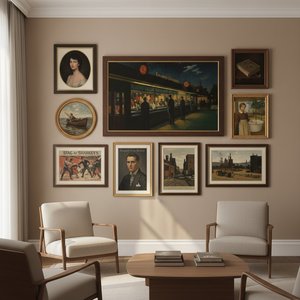
Realismo Estadounidense: 10 Obras Maestras que Cambiaron el Arte y la Decoración
Descubre 10 obras maestras del Realismo Estadounidense: Winslow Homer, Edward Hopper y más. Explora la historia, técnica y emoción de estos icónicos cuadros. Encuentra reproducciones de arte de museo en AllPaintingsStore.com.

Alfred Jacob Miller: Chronicling the American West Through Artistic Observation & Narrative
Explore the captivating art of Alfred Jacob Miller, chronicler of the American West. Discover his iconic paintings, techniques & lasting legacy – a valuable addition to any serious collection. Learn more at AllPaintingsStore.

El Óleo sobre Lienzo: Historia, Técnica y la Persistencia de un Medio Artístico Atemporal
Descubre la historia y técnica del óleo sobre lienzo. Explora reproducciones fieles hechas a mano, personalización artística y consejos de expertos con AllPaintingsStore. ¡Colecciona arte con confianza!


