


 Ver en contexto
 Enviar
 Compartir
 Detalles

 Descargar
 Similares
 Radiografía
 Presentación de diapositivas
Mourning


 Ver más
Giclée / Impresión de arte
Impresiones giclée o en lienzo de calidad de museo con producción rápida y opciones de acabado flexibles. ( Comprar pintura hecha a mano Comprar imagen)




P118B $10

P118H $10

P118W $10

P438Z $10

P508JH $12

P508YH $12

P805H $10

P805Z $10

P919BZ $10

P919G $10

P919XJ $10

P959ZH $10

P968JZ $12

W106C $8

W218G $10

W218JH $8

W218Y $10

W307PJ $10

W316G $10

W316PJ $8

W316Y $10

W398PJ $8

W4111J $10

W500HY $15

W500JH $15

W692G $12

W849H $8

W940BG $15

W953PJ $8




Elija entre nuestros tamaños predefinidos que respetan las proporciones originales de la obra.

Puede introducir sus propias dimensiones para adaptarse a un marco o espacio específico. Si el tamaño seleccionado no coincide con las proporciones de la imagen original, recortaremos la obra de arte o extenderemos la imagen con un borde con efecto espejo o de color sólido. Se enviará una maqueta digital para su aprobación antes de que comience la producción.
Tenga en cuenta que la vista previa en pantalla no refleja el recorte o la extensión real. Solo la maqueta mostrará con precisión la composición final.
Aunque existen tamaños personalizados, recomendamos seleccionar una dimensión de la lista predefinida para preservar las proporciones originales.
Envío a todo el mundo () en 2 semanas en lugar de las 4/5 semanas estándar. (22 agosto)

Envío exprés gratuito a todo el mundo

Lienzo de lino de alta calidad

Seguro de envío total

Garantía de reembolso de impuestos aduaneros

Garantía de fidelidad cromática exacta

Política de devolución de 60 días (solo por defectos)

Garantía de devolución del 100% del dinero

Descuento por cantidad
 La opción de vidrio solo está disponible en tamaños inferiores a 110 cm.

Mourning
Giclée / Impresión de arte
Dimensiones de la reproducción
-


Precio total final
$ 64
Descripción de la pieza
Umberto Boccioni’s ‘Mourning’: A Futurist Lament
Umberto Boccioni's 1910 painting, “Mourning,” is not simply a depiction of grief; it’s a visceral embodiment of the Futurist movement’s radical rejection of traditional artistic representation. This stark black and white image, featuring three central figures amidst a field of delicate flowers, immediately confronts the viewer with an unsettling tableau – a scene saturated with loss and rendered with a deliberate, almost violent energy. The photograph captures a moment frozen in time, yet vibrates with the dynamism that defined Boccioni’s artistic vision. The composition itself is deliberately fractured, mirroring the shattered emotional state of those depicted, and reflecting the Futurist desire to capture not just appearances but the *feeling* of movement and disruption.
Subject Matter and Composition
- Central Figures: Three individuals dominate the scene. One raises their hands to their face in a gesture of profound sorrow, while another holds what appears to be a deceased body – a poignant symbol of death and loss. The third figure mirrors this action, further intensifying the sense of mourning.
- Peripheral Figures: Two additional individuals are subtly placed at the edges, adding to the overall feeling of isolation and suggesting that grief is often experienced within a larger context of shared suffering.
- Floral Backdrop: The inclusion of flowers provides a jarring juxtaposition against the somber subject matter. This deliberate contrast elevates the work beyond a straightforward depiction of mourning, hinting at themes of beauty persisting even in the face of devastation – a common Futurist preoccupation with finding new forms of expression amidst chaos.
Technique and Style: The Language of Futurism
Boccioni’s technique is characterized by bold, fragmented brushstrokes and a flattened perspective— hallmarks of the Futurist style. He sought to represent not a static image but rather the *impression* of movement and disruption. Lines are deliberately broken and overlapping, creating a sense of instability and conveying the raw emotion of the scene. The monochromatic palette further amplifies this effect, stripping away any distractions and focusing attention on the stark forms and dramatic gestures. This approach reflects the Futurist fascination with speed, technology, and the dynamism of modern life – themes powerfully expressed through the distortion of form and space.
Historical Context and Symbolism
Created in 1910, “Mourning” emerged during a period of intense social and political upheaval in Italy. The Futurist movement was born out of a desire to break free from the perceived stagnation of traditional art and embrace the energy of the industrial age. Boccioni’s work reflects this broader cultural shift, using themes of death and loss as a means of exploring larger questions about modernity, progress, and humanity's place in a rapidly changing world. The act of holding the deceased bodies can be interpreted as a symbolic representation of confronting mortality – a central concern for many artists during this era.
Emotional Impact and Artistic Significance
"Mourning" is more than just a historical artifact; it’s a profoundly moving work that continues to resonate with viewers today. Boccioni's masterful manipulation of form, space, and emotion creates a powerful and unsettling experience. This painting stands as a testament to the Futurist movement's revolutionary spirit and its enduring influence on 20th-century art. A hand-painted reproduction offers an unparalleled opportunity to bring this iconic work into your home or office, allowing you to contemplate its complex themes and appreciate Boccioni’s groundbreaking artistic vision.
Obras relacionadas


Biografía del artista
vida temprana y formación
umberto boccioni, un pintor y escultor italiano fundamental, nació el 19 de octubre de 1882 en Reggio Calabria, Italia. El trabajo gubernamental de su padre llevó a frecuentes traslados por toda Italia, lo que influyó en la vida temprana de Boccioni. A los 15 años, se estableció en Catania, Sicilia, donde completó sus estudios. Más tarde se mudó a Roma para estudiar arte en la academía de bellas artes de Roma's escuela libre del nudo y bajo giovanni mataloni, un artista de carteles de estilo liberty.el movimiento futurista
El enfoque innovador de Boccioni en la forma y la desconstrucción de la masa tuvo un gran impacto en el mundo del arte. Se convirtió en el teórico principal del movimiento futurista, firmando el manifiesto de los pintores futuristas ("manifiesto de los pintores futuristas") en 1910. Sus obras se conservan en muchos museos de arte públicos, incluyendo una retrospectiva importante en el museo Metropolitano de Arte en la ciudad de Nueva York en 1988.obras notables y legado
- dinamismo de un cuerpo humano (futurismo, óleo sobre lienzo), una pintura que muestra el estilo único de Boccioni.
- formas dimensionales de un caballo (40 x 40 cm, futurismo, óleo sobre lienzo), otro ejemplo de su enfoque innovador en la forma.
- formas únicas de continuidad en el espacio (futurismo, bronce), una escultura que demuestra su desconstrucción de la masa sólida.
enlaces relevantes de AllPaintingsStore.com
- pintura por 'umberto boccioni' | umberto boccioni:dinamismo de un cuerpo humano (futurismo, óleo sobre lienzo,)
- pintura por 'umberto boccioni' | umberto boccioni:formas dimensionales de un caballo (40 x 40 cm, futurismo, óleo sobre lienzo,)
- pintura por 'umberto boccioni' | umberto boccioni:Lanceros (futurismo, óleo sobre lienzo,)
wikipedia: umberto boccioni
umberto boccioni, un pintor y escultor italiano influyente. Ayudó a dar forma al estético revolucionario del movimiento futurista como una de sus figuras principales. nota: este artículo es una traducción del italiano, pero con fines analíticos, se ha traducido de nuevo al inglés. La pregunta original estaba en italiano.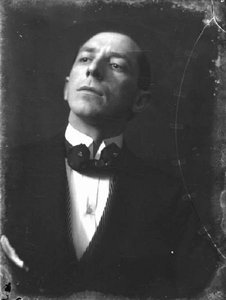
Umberto Boccioni
1882 - 1916 , Italia
Datos clave
- Artistas Que Influyeron:
- Giovanni Mataloni
- Giacomo Balla
- Fecha De Nacimiento: 19 de octubre de 1882
- Influenció A Artistas/Movimientos:
- Constructivismo
- Expresionismo abstracto
- Lugar De Nacimiento: Reggio Calabria, Italia
- Movimiento Artístico: Futurismo
- Nacionalidad: Italiana
- Nombre Completo: Umberto Boccioni
- Obras Notables:
- Dinamismo de un cuerpo humano
- Formas únicas de continuidad
- La ciudad se eleva
- Dimensiones de un caballo
Artículos relacionados

Timeless Contrast: A Professional Guide to Black and White Photography for Large-Scale Hotel Decor
A professional guide for hotel designers on utilizing black and white photography for large-scale decor. Learn to master scale, texture, and monochrome contrast to create impactful, high-end hospitality environments through efficient, bulk art procurement solutions.


